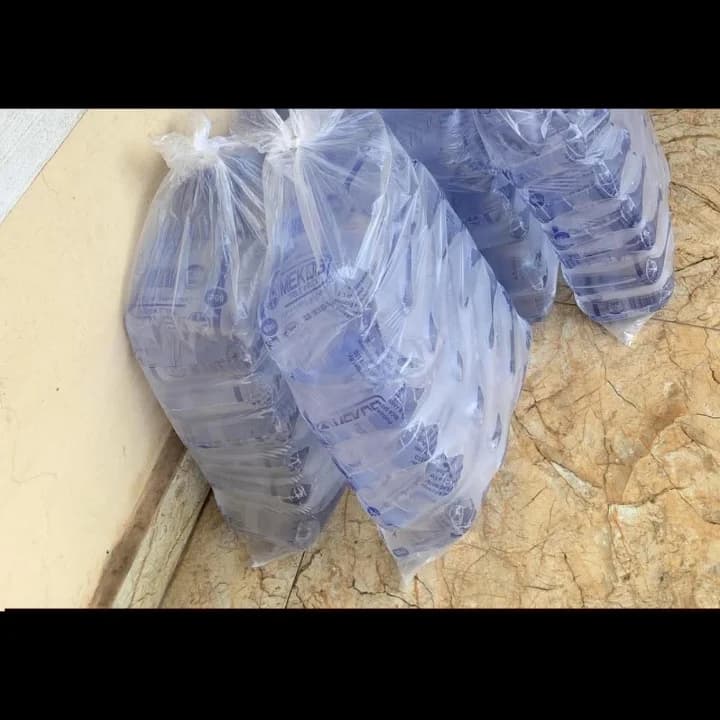
💧Can water be overdose? Or Can You Drink Too Much Water?
Yes, it is called "WATER INTOXICATION"
The Truth About Water Intoxication
Water is essential for life.
We are constantly told to drink more water for better health. But here's something many people don't know:
Yes, it is possible to drink too much water.
In rare cases, excessive water intake can lead to a dangerous condition called water intoxication or hyponatremia.
Let's understand what this means.
💦 What Is Water Intoxication?
Water intoxication occurs when a person drinks more water than the kidneys can remove, causing the sodium level in the blood to become dangerously low.
Sodium helps regulate the movement of water into and out of cells. When sodium levels fall too much, water enters the body's cells, causing them to swell.
If brain cells swell, it becomes a medical emergency.
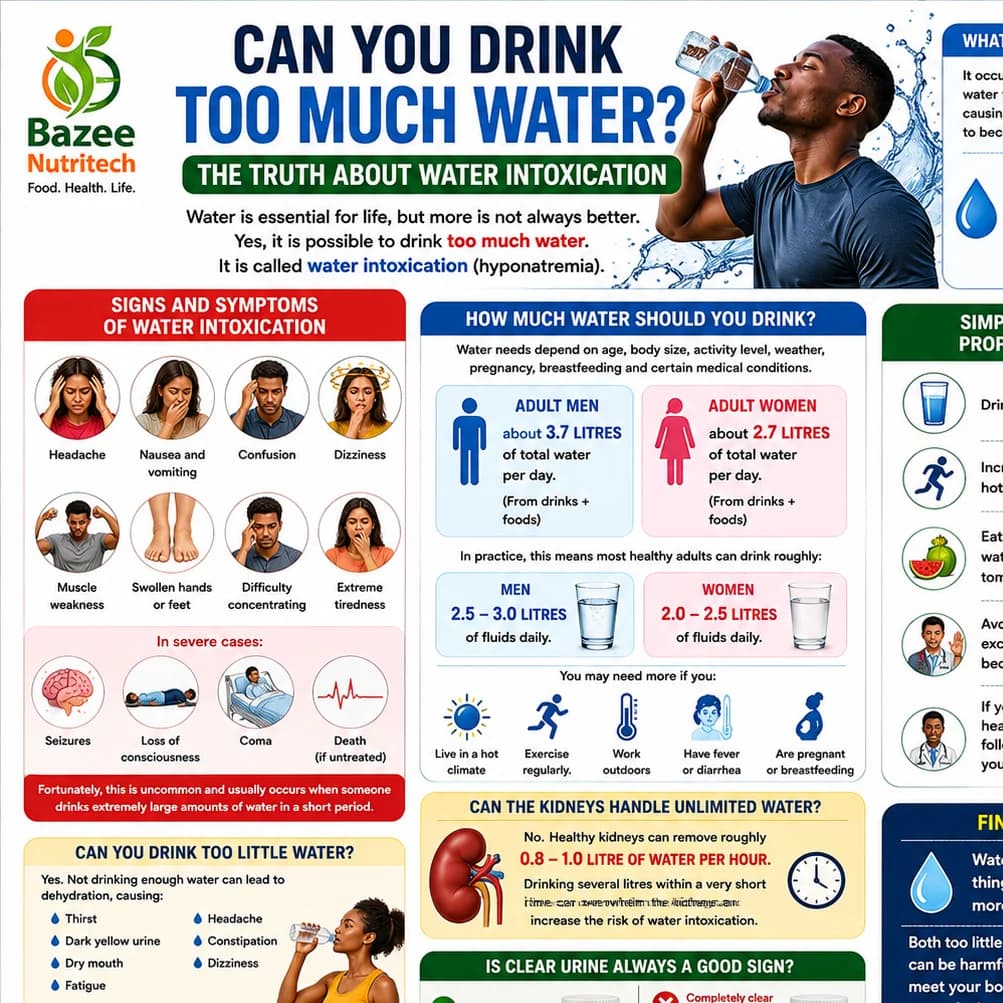
🚨 Signs and Symptoms of Water Intoxication
Watch out for:
✔ Headache
✔ Nausea and vomiting
✔ Confusion
✔ Dizziness
✔ Muscle weakness
✔ Swollen hands or feet
✔ Difficulty concentrating
✔ Extreme tiredness
In severe cases:
Seizures
Loss of consciousness
Coma
Death (if untreated)
Fortunately, this is uncommon and usually occurs when someone drinks extremely large amounts of water in a short period.
💧 So, How Much Water Should You Drink?
Water needs vary depending on age, body size, weather, physical activity, pregnancy, breastfeeding, and certain medical conditions.
For most healthy adults, a practical daily guide is:
👨 Adult Men: about 3.7 litres of total water per day.
👩 Adult Women: about 2.7 litres of total water per day.
These amounts include water from drinks and from foods (such as fruits, vegetables, soups, and other meals).
In practice, this means many healthy adults may drink roughly:Men: around 2.5–3.0 litres of fluids daily.
Women: around 2.0–2.5 litres of fluids daily.
Your exact needs may be higher if you:
Exercise regularly
Work outdoors
Live in a hot climate like Nigeria
Have fever or diarrhea
Are pregnant or breastfeeding
🚽 Can the Kidneys Handle Unlimited Water?
No.
Healthy kidneys can remove roughly 0.8–1.0 litre of water per hour.
If you drink several litres within a very short time, your kidneys may not keep up, increasing the risk of water intoxication.
🟡 Is Clear Urine Always a Good Sign?
Not necessarily.
Pale yellow urine usually indicates good hydration.
Completely clear urine all day may mean you're drinking more water than your body needs.
🥤 Can You Drink Too Little Water?
Yes.
Not drinking enough water can lead to dehydration, causing:
Thirst
Dark yellow urine
Dry mouth
Fatigue
Headache
Constipation
Dizziness
The goal is to avoid both dehydration and overhydration.
✅ Simple Tips to Stay Properly Hydrated
✔ Drink when you're thirsty.
✔ Increase your water intake during hot weather or exercise.
✔ Eat water-rich foods like watermelon, cucumber, oranges, tomatoes, and leafy vegetables.
✔ Avoid forcing yourself to drink excessive amounts of water just because someone told you to.
✔ If you have kidney disease, heart failure, or liver disease, follow the fluid advice given by your healthcare provider, as your needs may be different.
📝 Final Takeaway
Water is one of the healthiest things you can drink—but more is not always better.
Both too little and too much water can be harmful. The healthiest approach is to drink enough to meet your body's needs, adjusting for your activity level, weather, and overall health.
💬 Let's discuss!
How much water do you usually drink in a day?
Do you aim for a specific number of litres, or do you simply drink whenever you feel thirsty?
#Water #Hydration #WaterIntoxication #Nutrition #Dietitian #HealthyLiving #PublicHealth #Nigeria #Feedcover #BazeeNutritech