Nigeria is taking another step in its ongoing tax reform programme.
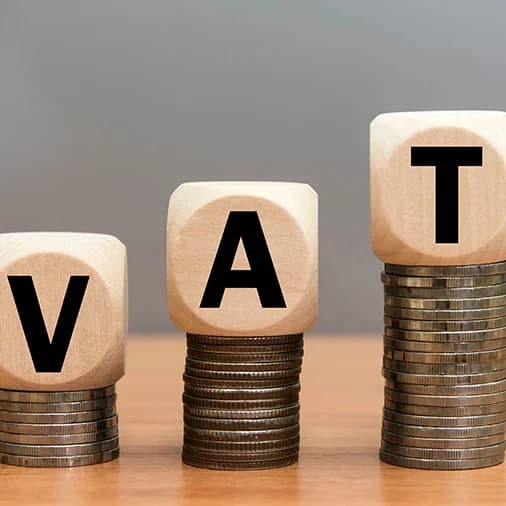
The Federal Government has set up an Inter-Ministerial Committee to develop a new VAT Modification Order that will guide how the Value Added Tax (VAT) provisions under the Nigeria Tax Act 2025 are applied.
This is not a new VAT law, and it does not introduce a new VAT rate. Instead, it focuses on providing clearer guidance on how existing VAT rules should work in practice.
The previous VAT Modification Order was issued under the old VAT Act. Since the Nigeria Tax Act 2025 has replaced that framework, the government says a new order is needed to ensure businesses, taxpayers and tax authorities interpret the law consistently.
One of the committee’s major responsibilities is to produce updated lists of VAT-exempt and zero-rated goods and services.
Although these two terms are often used interchangeably, they are different.
A VAT-exempt good or service is one on which VAT is not charged. A zero-rated supply is still subject to VAT, but at a rate of 0%. The distinction is important because it affects how businesses account for VAT and whether they may be entitled to recover certain input VAT costs.
The committee will also review current VAT administration, consult with businesses and industry groups, recommend areas that need clarification, and identify provisions that may require legal amendments. It has been given six weeks to submit its recommendations, including the draft VAT Modification Order, updated exemption and zero-rated schedules, implementation notes and a stakeholder consultation report.
Its membership includes representatives from the Federal Ministry of Finance, the Nigeria Revenue Service (NRS), Nigeria Customs Service, the Federal Ministry of Industry, Trade and Investment, the Joint Revenue Board, the Manufacturers Association of Nigeria (MAN), the Tax Advisory Committee and the Tax Justice and Governance Platform.
For many businesses, the announcement is less about paying more VAT and more about reducing uncertainty.
Questions such as Should I charge VAT?, Is this product exempt?, Does this transaction qualify for zero rating? have remained common among business owners. The proposed modification order is expected to provide clearer answers and promote more consistent tax administration across the country.
Freelancers and remote workers may not be directly affected by these changes today, but they should still pay attention. As Nigeria’s tax system becomes more structured, companies are likely to demand better invoices, clearer documentation and more organised financial records from the people they work with.
For SMEs, the reforms reinforce the importance of maintaining proper records and understanding how VAT applies to their goods and services. Businesses that understand the rules early will find it easier to comply as Nigeria continues to modernise its tax system.
Tax laws will continue to evolve, but one thing remains constant: businesses with organised financial records are always in a stronger position than those trying to reconstruct transactions after the fact.
LessaTax helps freelancers, remote workers and business owners organise their income, expenses and supporting documents throughout the year, making tax compliance much easier when the time comes.
Request early access today: