I think Ycee touched on a real concern, but the phrase “olodo uprising” was so provocative that it overshadowed the nuance of his point.
There are actually a few separate issues here.
First, I do think social media algorithms often reward content that is entertaining, emotional, or controversial more than content that is educational or deeply researched. That’s not unique to Nigeria. It’s true on TikTok, Instagram, YouTube, X, and even Reddit. If two creators post at the same time, one explaining economics and the other starting a dramatic argument, the latter often gets more attention.
Second, I don’t think it’s fair to frame this as “educated people vs. uneducated people.” Many successful Nigerian creators have university degrees or professional backgrounds. Others don’t, but have built impressive businesses through creativity, consistency, and understanding their audience. Intelligence isn’t measured only by formal education.
Where I think Ycee has a point is that virality has become a form of social currency. Sometimes people who contribute thoughtful ideas receive far less attention than those who create spectacle. That can shape what younger people aspire to create.
On the other hand, Jarvis also raised an important point. Nigeria’s job market has pushed many graduates into content creation because traditional career paths often don’t provide enough opportunities. If someone uses TikTok, YouTube, or Instagram to earn an honest living, that’s a rational response to the economy, not necessarily a rejection of education.
I also think there’s a false choice being created between education and entertainment. Some of the best creators do both. They make people laugh, tell stories, teach practical skills, explain finance, share travel experiences, or simplify complex topics in ways that reach millions. Those creators prove you don’t have to choose between being engaging and being informative.
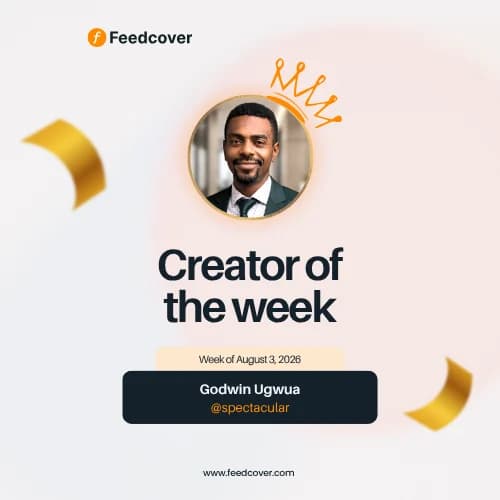
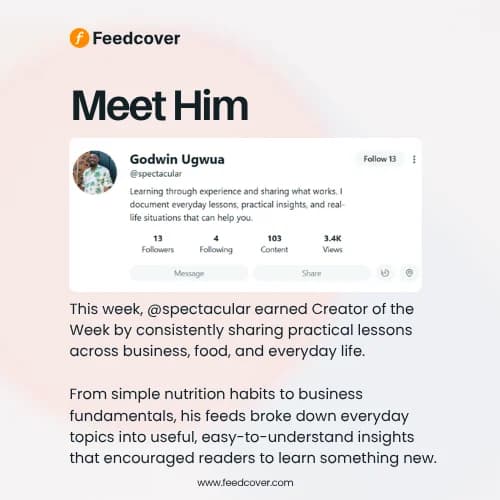
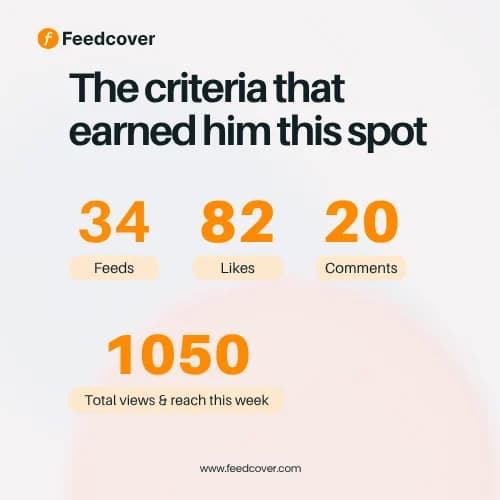
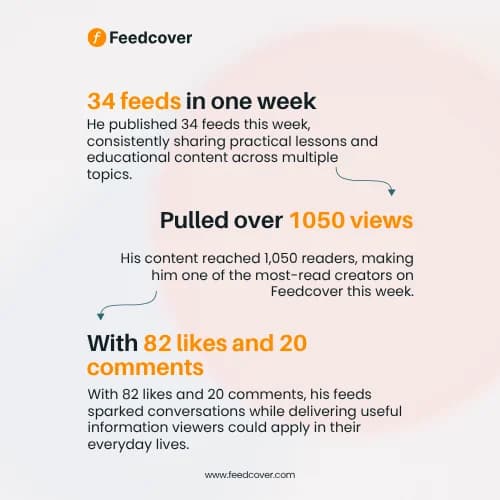
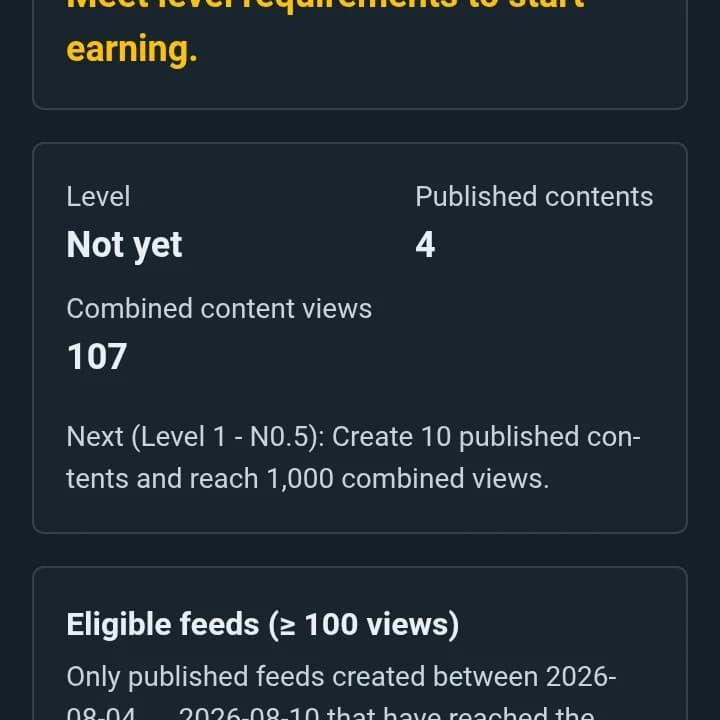
This is one reason I think platforms like Feedcover are interesting as a concept. Instead of rewarding outrage or spectacle, they’re trying to encourage people to share practical local knowledge and lived experiences. Whether that model can compete with entertainment-first platforms is another question, but it’s addressing a real gap.