I used to think emergency car kits were for overly cautious people. Then my car broke down at night.
It was around 9 PM on a Sunday. I was heading home after visiting a friend. Traffic had finally eased, music was playing, and I was already thinking about what to eat when I got home.
Then my car started acting strangely.
A warning light came on. A few minutes later, the engine lost power and I had to pull over.
If you’ve ever stopped on the side of a Nigerian road at night, you know the feeling. Suddenly every passing vehicle looks suspicious. Your phone battery starts looking smaller. You begin calculating how much a tow truck might charge.
That night taught me something important. Most Nigerian drivers spend millions buying a car but spend almost nothing preparing for emergencies.
Since then, there are a few things I never drive without.
1. Jumper Cables
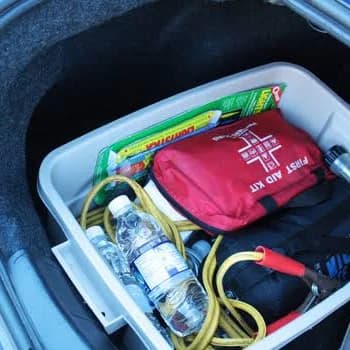
A dead battery can happen without warning. I’ve helped someone jump-start their car in Ajah. Good jumper cables cost far less than the stress of being stranded.
2. Portable Tire Inflator
This has saved me more times than I can count. Sometimes a tire isn’t completely flat. It just needs enough air to get you safely to the nearest vulcanizer. The difference between a small leak and a major roadside problem is often a few minutes with an inflator.
3. Reflective Warning Triangle
Many people ignore this until they need it. If your car stops at night or during heavy rain, other drivers need to see you from a distance. A warning triangle is one of the cheapest safety items you can buy, yet it can prevent a serious accident.
4. Flashlight (Not Your Phone Torch)
I learned this the hard way. Phone torches are useful until your battery drops to 5%. A proper flashlight makes it easier to inspect tires, look under the bonnet, or signal for help. Keep spare batteries if it isn’t rechargeable.
5. Power Bank
Your phone becomes your lifeline during an emergency. You’ll use it to call a mechanic, contact family, order a tow truck, check maps, or make transfers.
A dead phone during a an emergency creates unnecessary problems.
6. First Aid Kit
Hopefully you’ll never need it. But small cuts, minor injuries, headaches, and unexpected situations happen. A basic first aid kit takes up very little space and can be surprisingly useful.
7. Basic Tool Kit
Notice I said basic. You don’t need to carry a mechanic workshop in your boot. A few screwdrivers, pliers, adjustable spanner, electrical tape, and gloves can solve small problems before they become expensive ones.
If you’re reading this and your boot only contains old receipts, random nylon bags, and that mystery umbrella you’ve never used, consider putting together a simple emergency kit this weekend.
You may never need it. But the day you do, you’ll be very happy it’s there.