


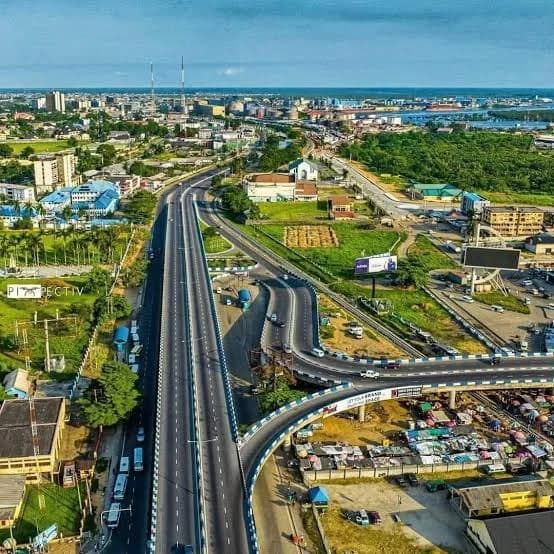
The first thing many people ask before moving to Port Harcourt is, “Which areas are good to live in, and which ones should I avoid?”
After speaking with residents, reading through local discussions, and comparing people’s experiences, one thing became clear:
There isn’t a “bad city.” There are simply neighborhoods that suit different lifestyles and budgets.
Here’s a balanced overview:
Good Neighborhoods People Recommend
These areas are frequently mentioned by residents as being more organized, quieter, or generally more comfortable to live in.
📍 GRA Phases 1–5
One of Port Harcourt’s most sought-after areas. It has good road networks, restaurants, offices, and many residential estates.
📍 D-Line
A central neighborhood with easy access to many parts of the city. Popular among professionals and business owners.
📍 Stadium Road
Known for its mix of residential and commercial properties, with plenty of restaurants, hotels, and businesses nearby.
📍 Elekahia
A well-established residential area that offers relatively good accessibility.
📍 Eliozu
One of the city’s fast-growing neighborhoods with many modern estates and apartments.
📍 Rukpokwu
Popular among people looking for slightly more affordable housing while still remaining connected to the city.
📍 Shell Residential Area (RA)
Known for its serene environment and well-planned layout.
📍 Woji
A rapidly developing area with estates, shopping centres, and good road access.
📍 Military Barracks
Many residents consider the areas around military barracks relatively secure and well-maintained.
Neighborhoods You Should Avoid in Portharcourt
Some neighborhoods are frequently mentioned because of congestion, older infrastructure, or higher crime rate.
These include:
* Diobu
* Mile 1 to Mile 3
* Parts of Old Township
* Oil Mill area
If you’ve lived in Port Harcourt, which neighborhood would you recommend to someone relocating?