


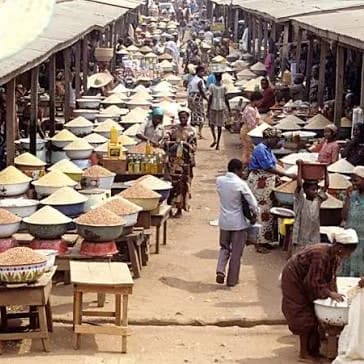
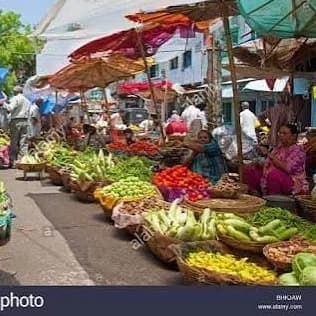
With the way prices keep changing in Nigeria, I decided to do something many people rarely do properly:
compare the same items in different markets before buying.
Honestly, I expected small differences.
What I found shocked me completely.
For one week, I visited different markets around Ibadan to compare prices of everyday things like:
* Rice
* Tomatoes
* Pepper
* Cooking oil
* Onions
* Household items
And the price differences were bigger than I imagined.
Market 1 — Bodija Market
Bodija had plenty options and fresh foodstuff, but some items were more expensive because of the busy commercial environment.
It’s a good market for variety, but not always the cheapest for every product.
Market 2 — Oje Market
Some local food items were surprisingly cheaper here compared to Bodija.
Especially:
* Pepper
* Vegetables
* Fresh farm produce
Negotiation also felt easier with some traders.
Market 3 — Challenge Market Area
This area had decent prices for household items and bulk purchases.
I noticed many traders reduced prices slightly when buying multiple items together instead of one-by-one purchases.
Market 4 — Local Street Vendors
This surprised me the most.
Some roadside sellers actually sold certain items cheaper than major markets because:
* They wanted quick sales
* Lower shop costs
* Smaller competition pressure
But quality sometimes differed, so careful inspection mattered.
What I Learned
* Popular markets are not always the cheapest
* Timing affects prices heavily
* Bulk buying saves money
* Negotiation still matters
* Transportation cost should also be considered
One major mistake many people make is chasing “cheap market” without calculating transport stress and extra expenses.
Sometimes, a slightly more expensive nearby market may still save more money overall.
The biggest lesson?
In Nigeria today, smart shopping is becoming a survival skill on its own.
Because two people can buy the exact same items in the same city… and still spend completely different amounts.