

I recently came across two interesting observations about Kano that made me see the city differently.
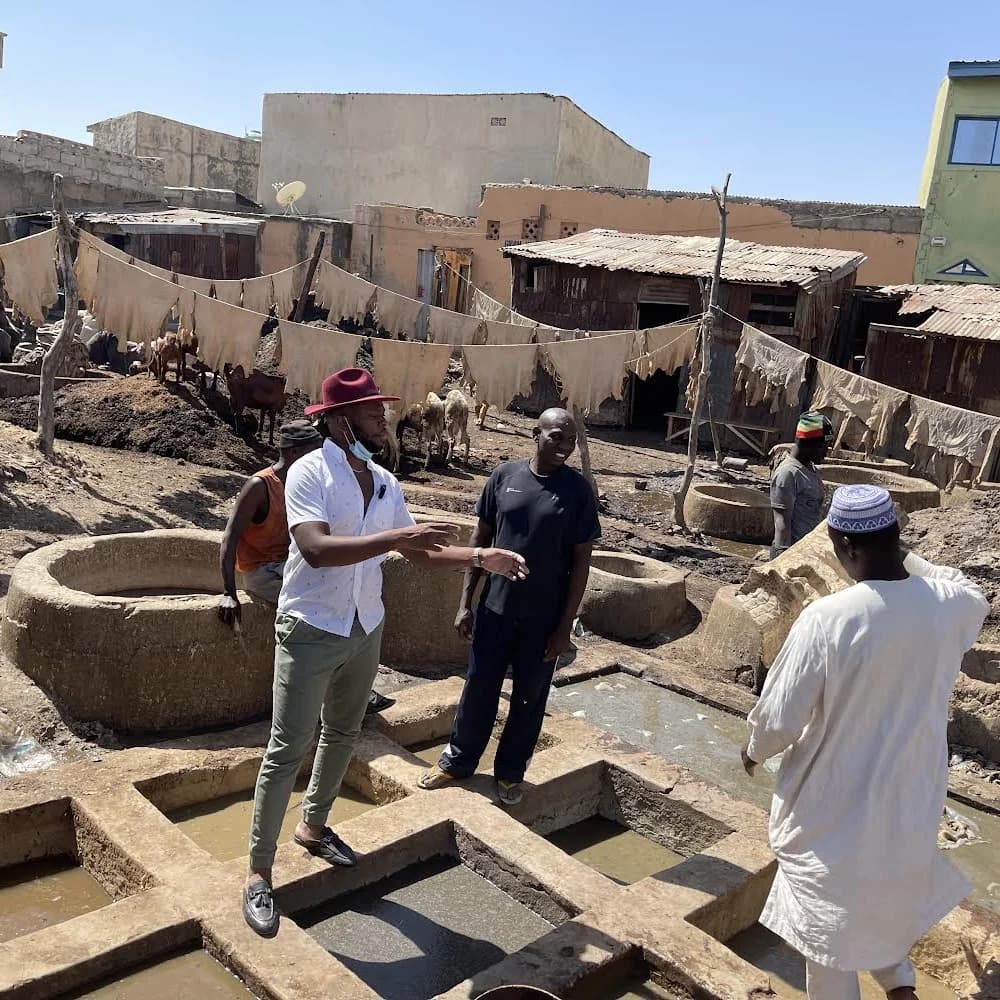
1. The Kano tannery tells two very different stories.
Kano’s leather industry is recognised far beyond Nigeria. Leather from the city has found its way into international markets for decades.
But when you see parts of the old tannery areas, it’s hard not to wonder why an industry with so much economic value hasn’t received the same level of investment in infrastructure, sanitation, and environmental management.
If the leather industry contributes so much to the economy, shouldn’t the communities behind it reflect that value too?
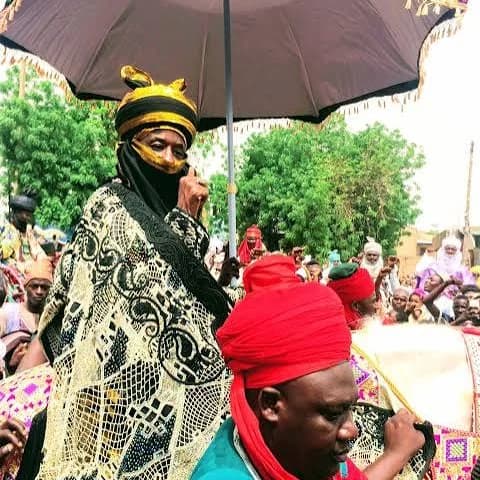
2. Culture isn’t reserved for special occasions. It’s everyday life.
In many parts of Nigeria, traditional attire mostly comes out during weddings, festivals, or family celebrations.
Kano feels different.
Walk through the city on a regular weekday and you’ll see people proudly wearing traditional outfits to work, markets, schools, and social gatherings. It’s not a costume or an event. It’s simply part of everyday life.
There’s something admirable about a culture that has stayed relevant across generations without losing its identity.
If you’ve been to Kano, what’s another thing first-time visitors should know before they arrive?