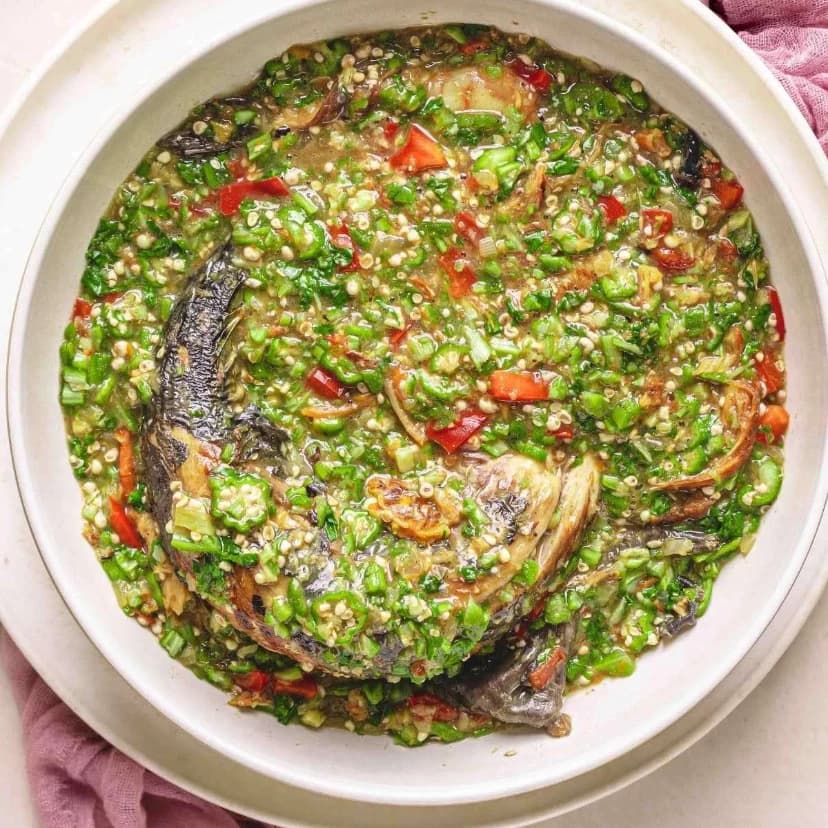
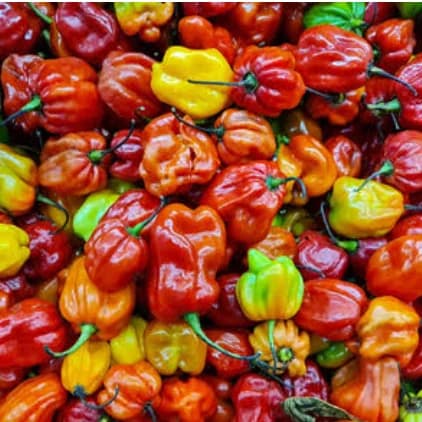
As a Chef, I see Ata Rodo (Scotch Bonnet) as the soul of Nigerian cooking. But as a Food Technologist, I see it as a fascinating chemical factory. Why is this specific pepper the undisputed king of our soups?
The Science of "Ata Rodo"
The primary difference between the Scotch Bonnet and other common peppers lies in its aromatic profile. While many peppers rely solely on capsaicin for heat, the Ata Rodo is packed with high concentrations of volatile aromatic compounds (specifically esters and terpenes).
When you cook with it, you aren't just getting heat—you are getting a fruity, floral, and deeply savory aroma that develops as these compounds volatilize under heat. This is why a soup made with Ata Rodo smells completely different from one made with basic chili powder.
The "Chef's" Perspective: Heat Management
In the kitchen, the Ata Rodo is a delicate balance.
The Infusion Method: If you want the aroma without the aggressive, immediate burn, add the whole pepper early to the base of your stew.
The Direct Method: If you want that sharp, punchy heat, blend it raw or add it at the very end.
Big Sister Tech Tip:
In our lab at Mariacathie Root Lab, we study "flavor release kinetics." If you want to keep the flavor of your Scotch Bonnet potent, do not over-boil it. High, prolonged heat can cause the delicate aromatic esters to dissipate, leaving you with "flat" heat. Add it strategically to preserve that signature floral note!
Let’s talk:
Are you the type to blend your Ata Rodo with the seeds for maximum fire, or do you de-seed it to keep the flavor without the intense burn? Tell me your "Rodo" strategy below! 👇
#MariacathieRootLab #FoodScience #AtaRodo #ScotchBonnet #ChefLife #FlavorChemistry #FoodTechnology #NigerianCuisine #SpiceScience #CleanLabel