


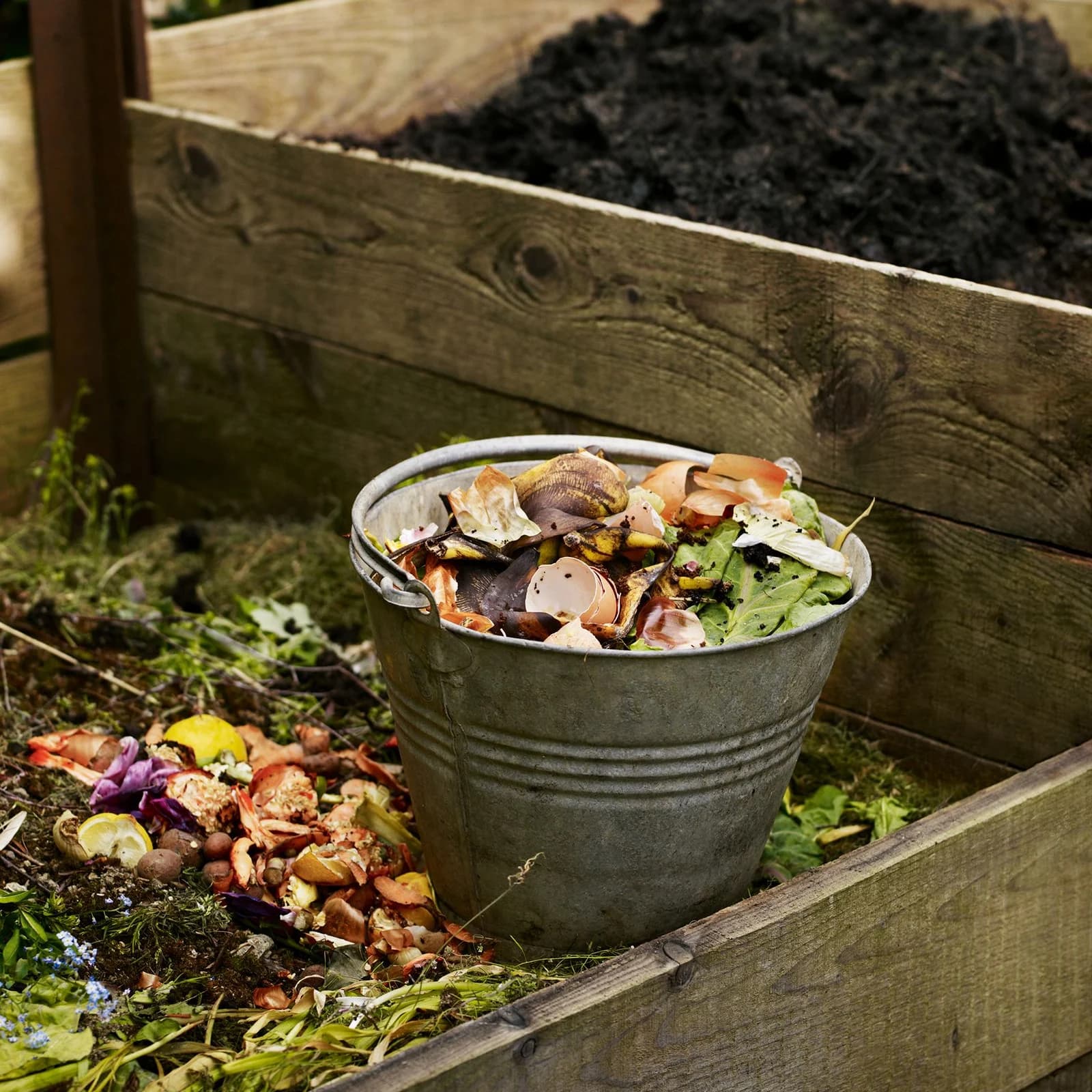
I used to throw away banana peels, vegetable scraps, and eggshells without thinking twice. Every evening after cooking, the waste went straight into a black nylon bag.
Then I started a small garden at home.
After a few weeks, the plants weren’t looking good. The leaves were pale and growth was a bit stunted.
I went online to check the prices of fertilizer and I was stunned. I started rethinking my new found hobby (gardening)
Then I came across something called Compost. Think of compost as nature’s recycling system.
Instead of sending kitchen waste to the bin, you allow it to break down into nutrient-rich soil that feeds your plants.
The funny thing is that many Nigerian homes produce compost ingredients every single day without realizing it.
What I Used
For my first compost batch, I didn’t buy anything special.
I simply collected:
1. Green Materials. These provide nitrogen:
* Vegetable scraps
* Fruit peels
* Tea leaves
* Coffee grounds
* Fresh grass clippings
2. Brown Materials
These provide carbon.
* Dry leaves
* Cardboard pieces
* Old newspapers
* Sawdust
* Dry plant materials
The biggest mistake beginners make is using only food scraps.
If you do that, your compost can become wet, smelly, and attract flies.
The brown materials are what keep everything balanced.
How I Made It
I used an old plastic bucket with a cover. Nothing fancy.
Step 1
I drilled a few small holes around the sides for airflow.
Step 2
I added a layer of dry leaves.
Step 3
I added kitchen scraps.
Step 4
I repeated the layers.
Dry materials.
Kitchen waste.
Dry materials.
Kitchen waste.
Like making a very strange lasagna 😂
Step 5
Every few days, I stirred everything with a stick.
This helps oxygen reach the pile and speeds up decomposition.
Things I Learned the Hard Way
The first week, I added leftover stew.
Bad idea.
Very bad idea.
The smell alone could have chased visitors away.
Avoid adding:
* Cooked food
* Meat
* Fish
* Dairy products
* Oily foods
Stick to fruit and vegetable waste.
Your nose will thank you.
How Long It Took
Around six to eight weeks. I expected magic after one week but nature had other plans.
Slowly, the scraps became dark, crumbly material that looked and smelled like healthy soil.
No trace of the banana peels or vegetables I had added.
The Result
The difference in my garden surprised me.
- The vegetables looked healthier.
-The soil held moisture longer.
-I watered less frequently.
-And I spent less money buying fertilizer.
The best part is this. Every time I cook now, I see potential compost instead of waste.
If you have a small backyard, containers, grow bags, or even a few potted plants, composting is one of those gardening secrets that feels almost unfair once you discover it.