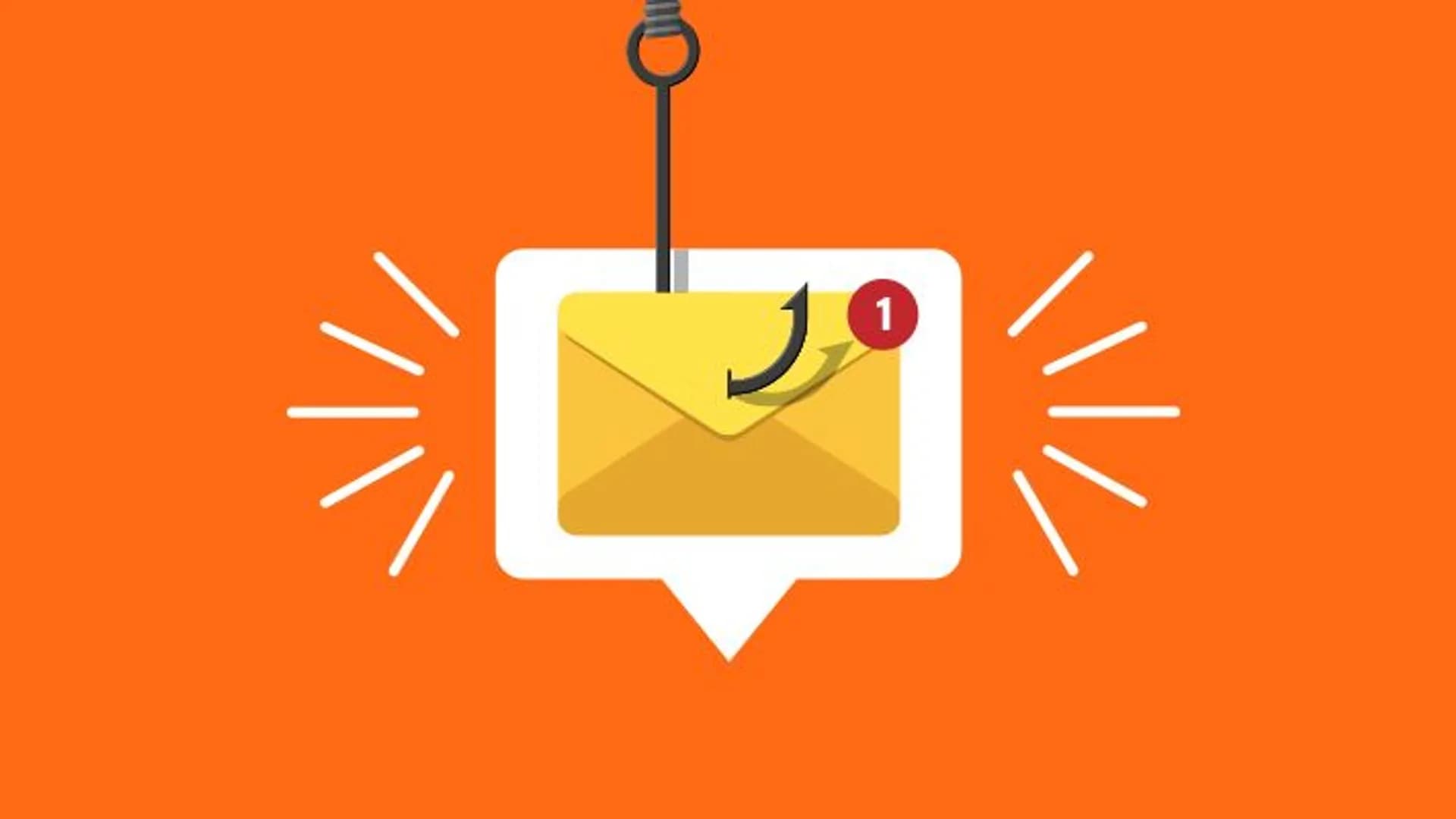
Phishing is one of the most prevalent cyber threats in today’s digital landscape. Cybercriminals leverage deceptive tactics to trick individuals into sharing sensitive information, such as login credentials, financial data, or personal details. Phishing campaigns often use email as their primary vector due to its widespread use and ability to reach a large number of targets with minimal effort.
This content explores phishing campaigns, how attackers exploit email platforms, and how email campaign services can bridge the gap by enhancing security and educating users.
What Is a Phishing Campaign?
A phishing campaign is a coordinated effort by attackers to deceive multiple victims through fraudulent messages, often appearing to come from a legitimate source. These campaigns use psychological manipulation and social engineering to achieve their goals.
Common Characteristics of Phishing Campaigns
1. Impersonation: Attackers mimic trusted entities like banks, social media platforms, or government agencies.
2. Urgency: Messages create a sense of panic or urgency, prompting immediate action (e.g., “Your account will be suspended”).
3. Malicious Links/Attachments:
— Links redirect victims to fake websites designed to steal credentials.
— Attachments contain malware or ransomware.
4. Personalization: Use of recipient-specific details to make the message more convincing.
Impact of Phishing Campaigns
- Financial Loss: Direct theft or fraudulent transactions.
- Data Breaches: Exposure of sensitive information.
- Malware Infections: Compromised systems and networks.
The Role of Email Campaign Platforms in Bridging the Gap
Email marketing platforms are designed for legitimate businesses to engage customers through bulk emails. However, their features can inadvertently be exploited by attackers.
Here’s how email campaign platform can play a role in closing the gap between convenience and security:
1. Strengthening Platform Security
Email platform can implement advanced measures to prevent misuse:
- User Authentication: Mandate identity verification during account creation to prevent fraudulent sign-ups.
- Content Scanning: Automatically scan email campaigns for phishing indicators like suspicious links, misleading branding, or malware.
- Real-Time Monitoring: Track unusual activity, such as high-volume email sends from unverified accounts.
2. Educating Users on Email Safety
Platform can take the lead in raising awareness:
- Email Campaign Best Practices:
— Encourage users to use genuine domains and avoid misleading subject lines.
— Provide tips on building trust with recipients.
- Security Awareness Resources:
— Offer tutorials and guides for recognizing phishing attempts.
— Share real-life examples of phishing emails and how to avoid them.