
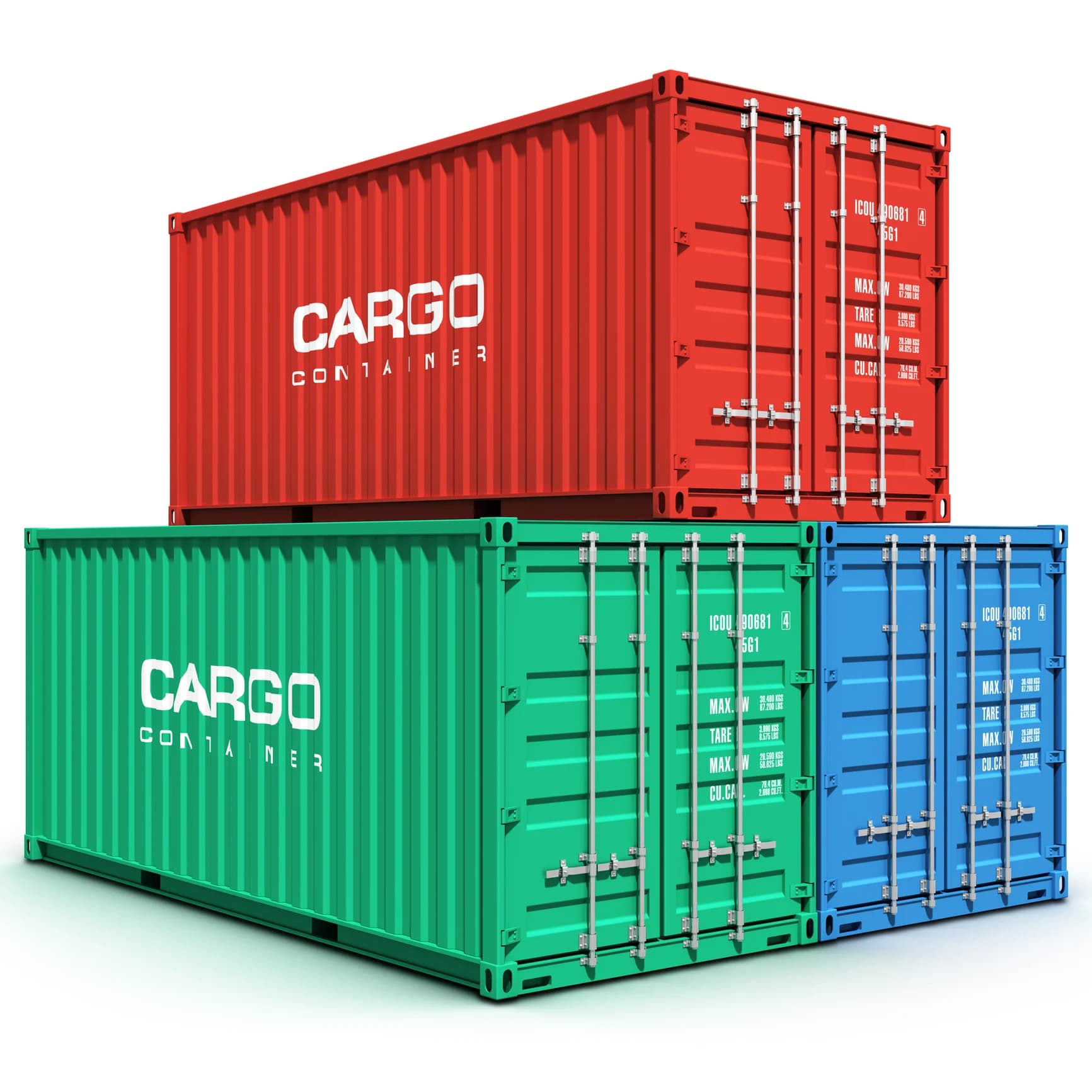
If you are trying to understand cargo containers in Nigeria, I can tell you from experience, it is not really about the names, it is about what each one does to your money, your waiting time, and your stress at the port.
The one I have used the most is the dry container. This is the normal 20ft or 40ft box you see stacked everywhere in Apapa. Almost everything I’ve moved at some point went through this. Clothes, small electronics, and general business goods. It is the simplest to handle and also the cheapest, which is why most importers I know stick to it.
Then there is the reefer container. I first really paid attention to this when someone I was working with brought in frozen goods. This one must stay plugged in for cooling the entire time. In Nigeria, that is where your mind starts to race because any delay at the port or issue with power can turn into a loss. It also costs more, not just for shipping but for keeping it running.
An open-top container is something I only understood after seeing machinery come in. The goods were too tall to enter a normal container, so loading was done from the top. At that point, I realized not all cargo “fits normally”, and that changes how clearing agents plan everything from the start.
Flat rack container is even more serious. No roof, no sides. I have only seen it used for heavy equipment like generators or industrial machines. It is not something that everyday importers deal with, but when you see it at the port, you know it is a big shipment with more handling involved.
Tank containers are for liquids like chemicals. Honestly, I don’t deal with this directly, but I’ve seen them being handled differently from normal cargo because of how sensitive the contents are.
What I have learned from all this is that in Nigeria, container type is not just logistics talk. It affects how fast your goods clear at Apapa or Tin Can, how much demurrage you might pay, and how your final cost will look before you even start selling.
So when I look at it now, a dry container is what I use when I want less stress and faster movement. The others only make sense when the goods force you into them, not the other way around.
Would you rather pay more for a special container or just stick with a dry container and manage the delays?