Hard work on its own has never been enough. If it were, a lot more exhausted people would be rich by now.
Look around.
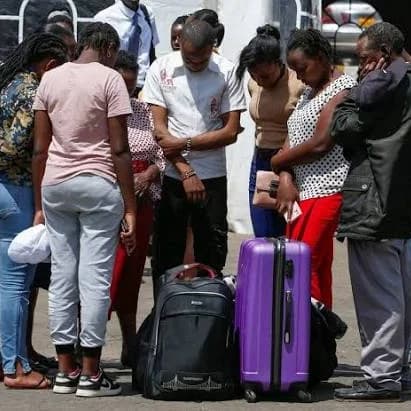
In Nigeria especially, some of the hardest-working people are also the poorest.
Men carrying cement from morning till night.
Women selling under the sun every single day.
People doing double shifts, six days a week.
They are not lazy.
They are tired.
Yet the people we call wealthy are rarely the ones doing the most physical or repetitive work.
Nobody compares a laborer’s wealth to Aliko Dangote.
Nobody believes someone working twelve hours daily is richer than Femi Otedola.
That contrast is uncomfortable, but it matters.
The real issue has never been effort.
It has always been where the effort is directed.
Work can keep you busy without letting you move forward.
You can sweat every day and still remain replaceable.
You can be reliable and hardworking inside a system that rewards position and ownership, not sacrifice.
In offices, it shows up quietly.
The most stressed person is rarely the most valuable.
The one who is always available is not always the one advancing.
Some people spend years maintaining systems they do not control.
They keep things running but never own the direction.
Busyness becomes normal.
Questioning stops.
Time passes.
Hard work feels safe because society praises it.
It sounds responsible.
It sounds honorable.
But business does not pay for sweat.
It pays for structure, leverage, and decisions.
That is why two people can work equally hard and end up in very different places.
One grows.
The other just endures.
Most people do not fail because they are lazy.
They fail because they worked hard in the wrong direction for too long.
And by the time they notice, leaving feels harder than staying.