Old Nigerian Traditions Young People Are Forgetting”
This topic is powerful because it touches identity, memory, culture, family, and the emotional gap between old Nigeria and modern Nigeria.
It creates nostalgia for older generations and curiosity for younger ones.
The discussion is not about saying modern life is bad. It is about showing how some traditions carried wisdom, discipline, connection, and community that are slowly disappearing.
Core Message
Nigeria is modernizing quickly, but some cultural values and traditions that once shaped families and communities are fading quietly.
Many young people now grow up: More connected to the internet than to their culture,
more familiar with trends than traditions,
more exposed to global lifestyles than local identity.
The topic explores what is being lost and why it mattered.
Emotional Direction
nostalgic,
reflective,
warm,
slightly emotional,
deeply cultural.
“Life felt more connected back then.”
Or:
“We didn’t realize how valuable those traditions were.”
Important Traditions To Talk About
1. Moonlight Storytelling
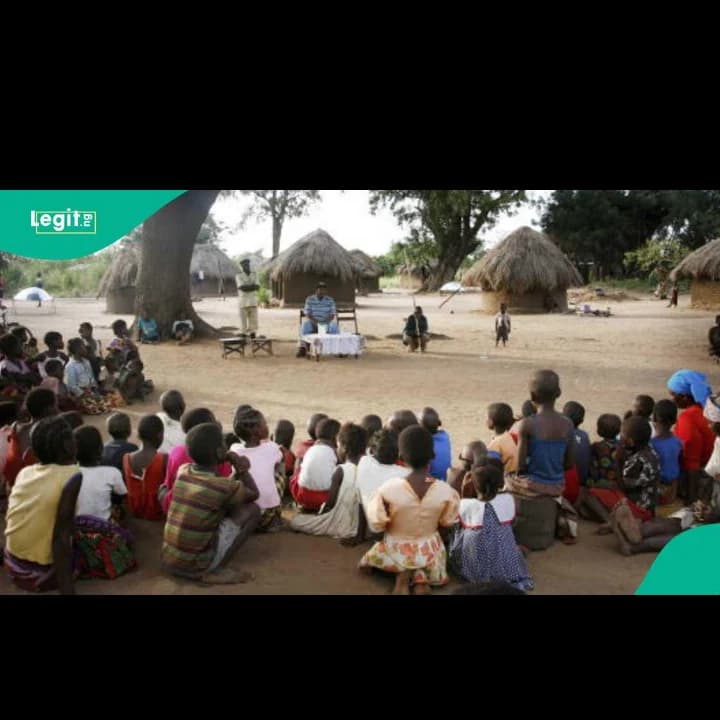
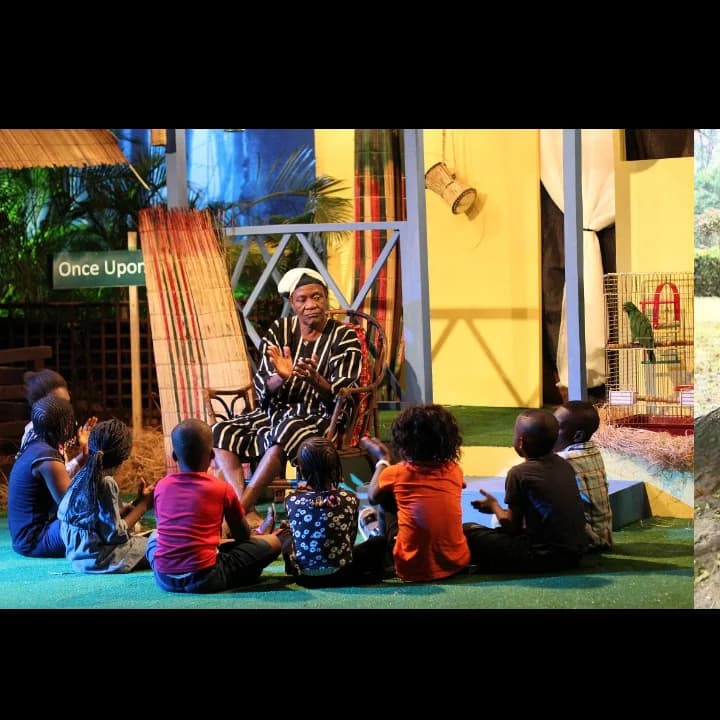
Children once gathered outside at night to hear stories from elders.
These stories taught:
*wisdom,
*discipline,
*respect,
*courage,
*morality.
Now many children grow up with phones, TikTok, and television instead of oral storytelling.
Emotional Angle
Stories once connected generations together.
2. Respect Culture
Traditional Nigerian upbringing strongly emphasized:
greeting elders properly,
kneeling/prostrating,
speaking respectfully,
community manners.
Many believe modern culture is weakening these habits.
Emotional Angle
Respect was once seen as identity, not weakness.
3. Speaking Native Languages
Many young Nigerians understand their language but cannot speak it fluently.
English and social media culture now dominate daily communication.
Emotional Angle
Secret talk from parents to children's in the present of visitors can no longer happen.
4. Community Living
People once knew neighbors deeply:
shared food,
solved problems together,
corrected children collectively,
attended ceremonies together.
Today, many people barely know those living beside them.
Emotional Angle
Nigeria once felt more communal and connected.
5. Traditional Skills
Older generations learned practical survival skills:
farming,
weaving,
local cooking,
craft making,
herbal knowledge,
repairing household items.
Modern dependence on technology reduced many of these skills.
Emotional Angle
People once created more with their hands.
6. Cultural Ceremonies
Traditional weddings, naming ceremonies, festivals, and rites once had stronger cultural meaning.
Now many are becoming:
simplified,
westernized,
social-media-centered.
Emotional Angle
Culture is becoming performance instead of heritage.
Modernization vs Identity
Can Nigeria modernize without losing culture?
Can young people balance tradition and modern life?
Ending
Progress matters. But remembering where we came from matters too.