
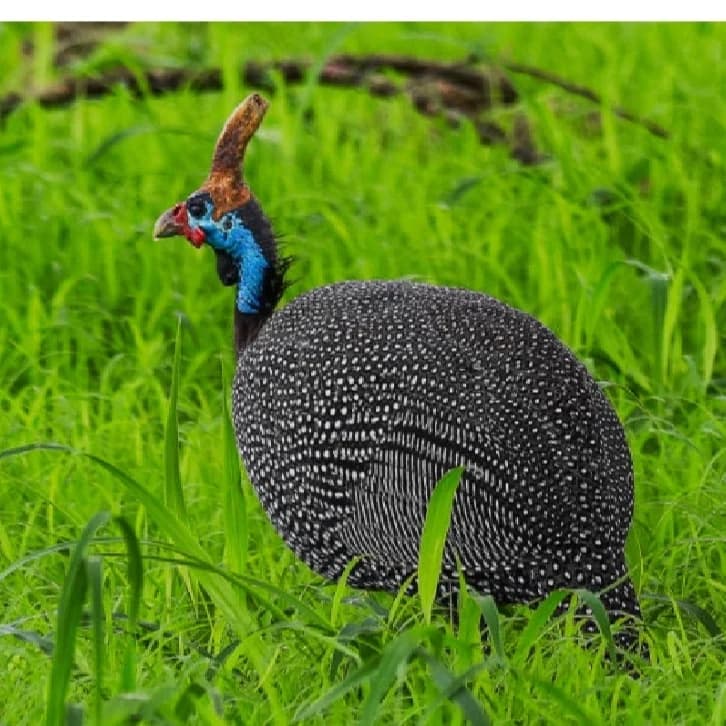
Guinea fowl are truly fascinating birds, celebrated not just for their unique characteristics but also for their role in agriculture and culture. Here’s a deeper dive into these remarkable creatures:
1. **Species Diversity**: While the helmeted guinea fowl (Numida meleagris) is the most well-known, there are several other species, such as the vulturine guinea fowl (Acryllium vulturinum) and the crested guinea fowl (Guttera pucherani). Each species exhibits distinctive traits and behaviors.
2. **Physical Characteristics**: Beyond their striking appearance—characterized by a rounded body, small head, and a helmet-like casque—guinea fowl are known for their beautiful plumage, typically featuring a rich mixture of dark feathers adorned with white spots. This unique coloring serves as camouflage in their natural habitat.
3. **Social Structure and Behavior**: Guinea fowl are inherently social animals that thrive in flocks, often comprising dozens of individuals. Their communicative nature is notable; they utilize a range of vocalizations to alert the group of potential dangers or to coordinate movements, making their presence quite lively.
4. **Nutritional Needs**: As omnivores, guinea fowl have a varied diet. They forage for seeds, fruits, insects, and small invertebrates, showcasing their adaptability to different environments. Their foraging habits also play a beneficial role in pest control, making them valuable allies in gardens and agricultural areas.
5. **Cultural Significance and Domestication**: Guinea fowl have been domesticated for thousands of years, particularly in African regions, where their meat is considered a delicacy. In addition to their culinary value, they are often raised for their distinctive eggs and as charming pets due to their engaging personalities.
6. **Natural Habitat**: In the wild, guinea fowl prefer habitats like open grasslands, savannas, and woodland edges where they can find food and shelter. Their nesting behavior is quite interesting; they often create nests on the ground, well-hidden among foliage to protect their eggs from predators.