The way burdens are carried these days seems like that is how they were meant to be carried no matter what time - Joab Peters
Look around you.
Everybody is carrying something.
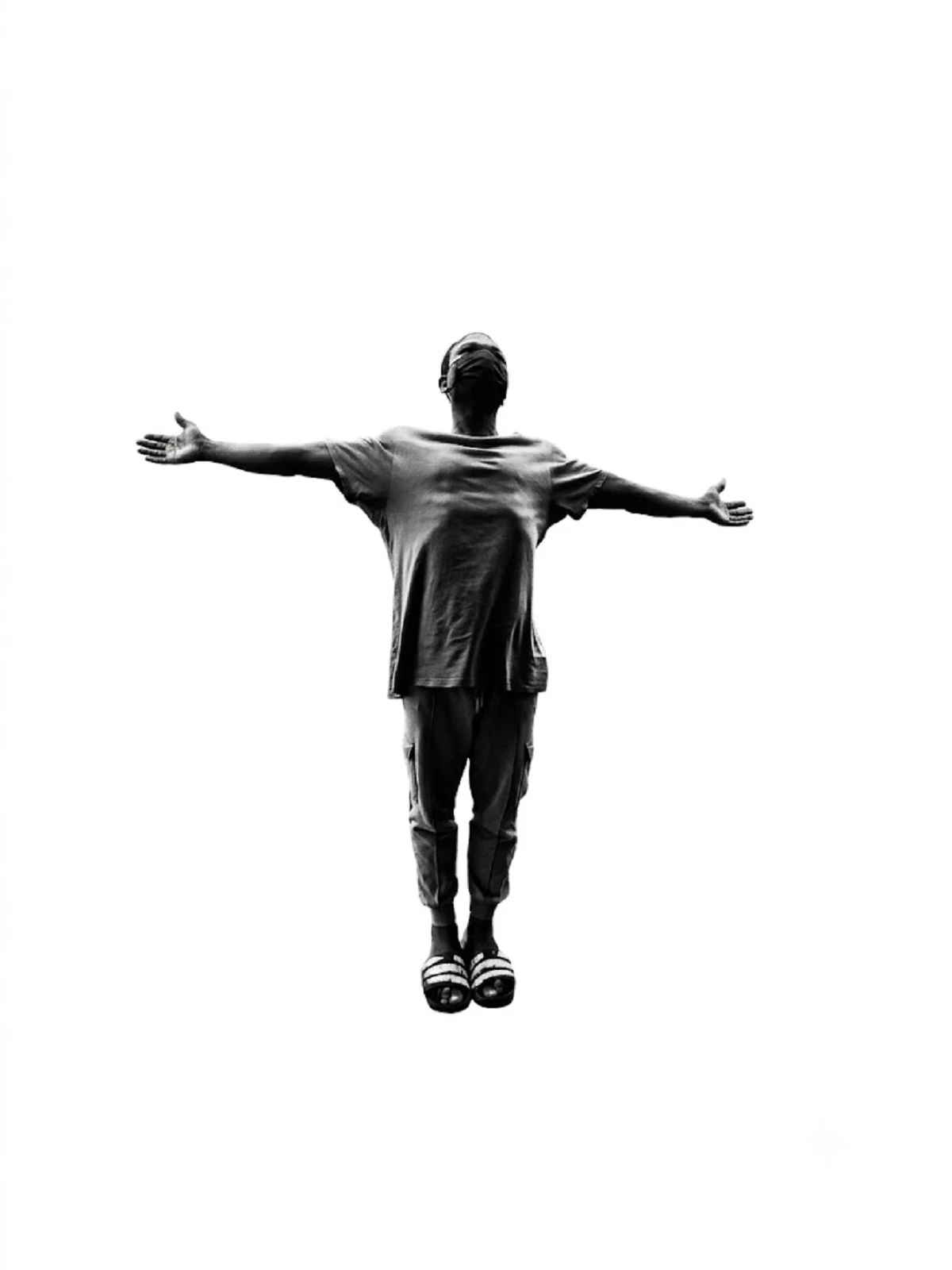
The man on the bus with his shoulders folded forward. The woman who laughs a little too loudly so nobody asks the second question. The friend who says "I'm fine" in the same tone every single time, like a password they've memorized.
And here's the strange part, nobody questions it anymore.
We've watched people carry burdens the same way for so long that we've started to believe that's simply how it's done. Head down. Mouth shut. Keep moving. Don't inconvenience anyone with the weight.
We inherited a posture, and we mistook it for a law.
But it isn't a law.
Somewhere along the line, someone decided that suffering should be silent. That strength means holding it alone. That if you set it down for even a moment, you've failed. And that decision got passed down, from parent to child, from generation to generation, until it stopped looking like a choice and started looking like nature itself.
The way burdens are carried these days seems like that is how they were meant to be carried, no matter what time.
But ask yourself honestly: who wrote that rule?
Not you.
You just walked into a room where everyone was already holding their weight a certain way, and you picked yours up the same way, because that's what you saw. That's what you were shown.
And so the burden isn't only the burden anymore. The burden is the method. The silence. The pretending. The performance of being fine.
Time changes everything else, the way we speak, the way we work, the way we love, the way we build. But this one thing we've refused to update. We upgraded our phones and kept our pain in the same old container.
Maybe it's time to ask a different question.
Not "how do I carry this better?"
But "was I ever supposed to carry it this way at all?"
Because the day you realize the posture was learned, not given, is the day your shoulders remember they were never built for stone.
Set it down. Even for a minute.
The world doesn't end. It just gets quieter.
— Joab Peters