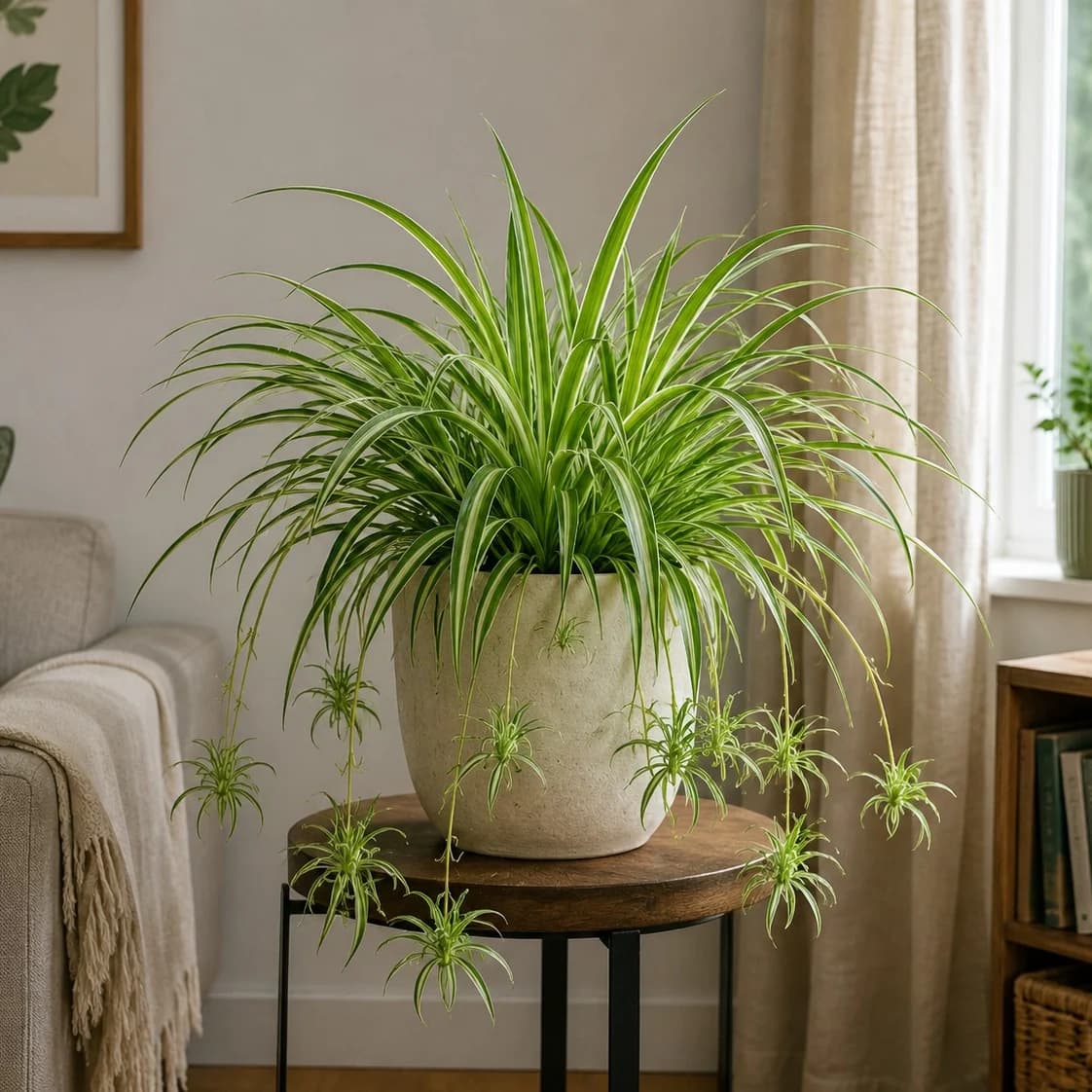
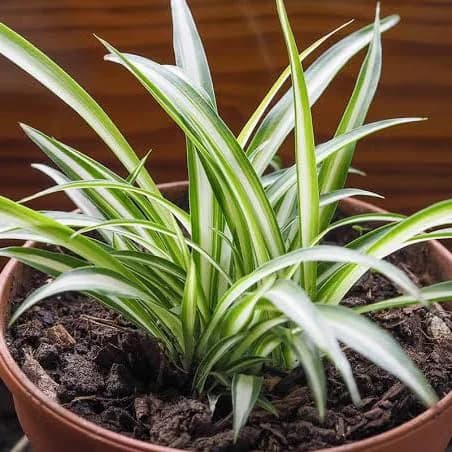
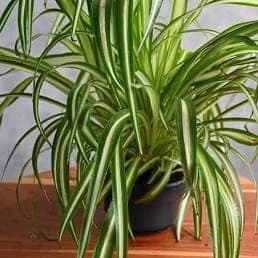
The Spider Plant (Chlorophytum comosum) is easily one of the most rewarding and resilient green companions you can bring indoors.
With its arching, ribbon-like leaves which often feature a bright white stripe down the center, it looks fantastic cascading from a hanging basket or sitting on a desk.
Why It Is an Eye-Saver (most important benefits)
Spider plants have a high rate of transpiration. This is the process where the plant absorbs water through its roots and releases it as moisture vapor through tiny pores in its leaves (called stomata).
Essentially, they act like mini, natural evaporative humidifiers.
*Prevents Tear Evaporation: When indoor air is dry (often due to air conditioning or heating), the thin moisture layer on your eyeballs evaporates too quickly, leading to that burning, gritty feeling. Raising the room's humidity helps keep your tear film stable.
*Dust Trap: Their long, static-prone leaves actually attract and trap floating dust particles, keeping them out of the air and out of your eyes.
Beyond being an absolute lifesaver for dry eyes, the Spider Plant offers a massive suite of health, practical, and physical benefits that make it one of the most useful plants you can keep indoors.
1. Heavy-Duty Air Purification
Spider plants are famous for their air-cleaning abilities, backed by NASA's Clean Air Study. They act like a sponge for common household toxins:
Targeting Formaldehyde: It removes up to 90% of formaldehyde—a toxic chemical commonly found in household products, plywood, synthetic fabrics, and cleaners from the air within 24 hours.
Eliminating Carbon Monoxide: It is exceptionally good at absorbing trace amounts of carbon monoxide, making it a great addition to kitchens or rooms near fireplaces.
2. Increases Oxygen and Humidity
Better Sleep & Focus: Like all plants, they absorb carbon dioxide and release fresh oxygen during the day, which can help keep you alert during work and sleep better at night.
Natural Moisturizer: Through transpiration, they naturally increase the humidity of a room. This doesn't just soothe dry eyes; it also helps prevent dry skin, chapped lips, sore throats, and congestion.
3. Safe for Pets (ASPCA Approved)
Unlike many popular houseplants (like Peace Lilies, Pothos, or Snake Plants) which are highly toxic to cats and dogs, the Spider Plant is 100% non-toxic.
Fun fact: Cats actually love spider plants because the leaves produce a mild hallucinogenic effect similar to catnip! If your cat nibbles on it, they’ll be perfectly safe (though your plant might look a bit chewed up).
4. Therapeutic and Mental Health Boost
Reduces Stress & Anxiety: Research shows that active interaction with indoor plants like watering, pruning, or simply looking at them can suppress nervous system activity and lower blood pressure.
Speeds Up Recovery: A famous study on hospital patients showed that keeping plants (including spider plants) in recovery rooms significantly decreased stress, lowered pain ratings, and led to faster recovery times compared to patients in rooms without plants.
5. Highly Resilient and Hard to Kill
If you struggle to keep plants alive, the spider plant is incredibly forgiving:
The Secret Storage System: If you look at their root system, they have thick, fleshy, white tubers (as seen in the image below). These tubers act like underground water reservoirs, storing moisture so the plant can easily survive weeks of complete neglect.
How to Keep It Thriving
The best thing about the Spider Plant is how forgiving it is. If you're new to plant care, this is the perfect starter.
1. Light: They prefer bright, indirect sunlight. While they can survive in lower light, their growth will slow down, and they might lose some of the striking white variegation on their leaves. Avoid harsh, direct afternoon sun, which can scorch their foliage.
2. Watering: Water them thoroughly, but let the top 2 inches of soil dry out completely before watering again. They have thick, fleshy root tubers (rhizomes) that store water, meaning they can easily handle a missed watering or two.
3.The "Brown Tips" Issue: If you notice the very tips of the leaves turning brown, it is usually a reaction to fluoride or chlorine found in tap water. You can easily fix this by letting your tap water sit in an open container for 24 hours before watering, or by using rainwater/distilled water.
The Fun Part
As a healthy Spider Plant matures, it will grow long, drooping runners that bloom with tiny white flowers. Eventually, these flowers turn into baby spider plants (called pups or spiderettes).
You can easily snip these pups off and place them in a glass of water for a week or two until they grow roots, giving you brand-new plants to place around your home or gift to friends!
The Spider Plant is both a wild survivor and a staple of indoor spaces, so where you can find it depends on whether you're looking for its natural habitat or looking to bring one home.
1. In the Wild: If you wanted to see a spider plant growing naturally in the wild, you would have to travel to tropical and Southern Africa.
The Environment: In its native range (stretching from West Africa down to South Africa), it grows as an evergreen perennial on forest floors, along river valleys, and on shady, rocky slopes.
Naturalized Globally: Because it is so resilient, it has also escaped gardens and naturalized (established wild populations) in other warm, humid parts of the world, such as parts of Western Australia and Bangladesh.
2. For Your Home: Where to Buy One
Because they are incredibly popular and easy to propagate, you can find spider plants almost anywhere plants are sold. They are highly accessible:
Local Nurseries and Garden Centers: Almost every local plant nursery, garden center, or big-box home improvement store (like Home Depot, Lowe's, or local equivalents) keeps them in stock year-round.
3. Supermarkets and Florists: Because of their low-maintenance reputation, you’ll frequently find them in the floral or home decor sections of grocery stores.
4. Online Plant Shops: Many online nurseries ship them directly to your door safely packaged.
5. From a Friend (Free!):If you know anyone who already owns a mature spider plant, they likely have dozens of "spiderettes" (baby pups) hanging off it. Ask them for one! You can easily root it in a glass of water, and within a few weeks, you’ll have your own potted plant.
Caution⚠️: Keep your spider plant hanging high out of your cat's reach, as its non-toxic but mildly hallucinogenic leaves can tempt felines to chew on them and get a mild stomach upset.