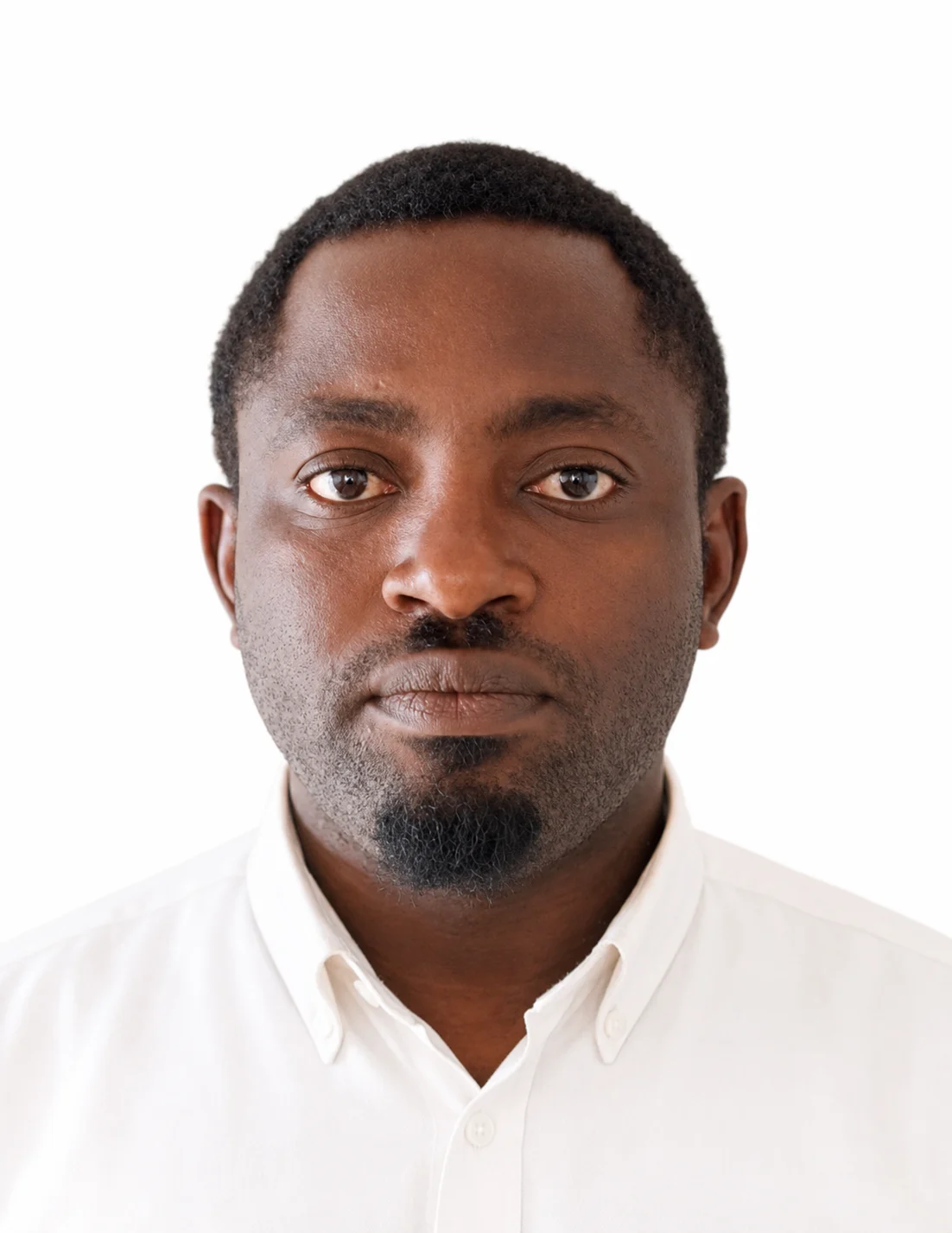
By Oluwatobiloba Gideon Oludayomi
I want to ask you a question before I say anything else. Have you ever wondered why poverty in Nigeria feels less like an accident and more like a system. Not a coincidence, but an arrangement. Something is working, just not for you.
Let me start with a number that should sit heavy in your chest. The National Bureau of Statistics says 133 million Nigerians, that is 63 percent of us, are multidimensionally poor. Not just short of cash, but deprived in health, education, housing and security, all at once. That is more people than the entire population of most countries on earth. And it is happening inside a nation that produces oil, gold, gas, cocoa, and enough farmland to feed half of Africa if we used it well.
So the question is not whether poverty is real. We all know it is real. The question my philosophy always leads me to is this. What is visible is often only a symptom. So if poverty is the symptom, what is the disease.
I have sat in enough rooms, both poor and comfortable ones, to notice something. Poverty is not just suffered. In many places, it is managed. It is kept at a certain temperature, never allowed to boil over into full collapse, but never allowed to cool down into real prosperity either.
A hungry man is easy to buy. Give him five thousand naira on election day and he will queue for hours to vote for you. A desperate mother is easy to control. Promise her a bag of rice and she will defend you on the radio. A jobless graduate is easy to recruit. Offer him a small political errand and he becomes your loudest supporter. Poverty, uncomfortable as it sounds, produces loyal customers for a certain kind of politics.
This is not a conspiracy theory. This is arithmetic. In the 2023 general elections, reports across the country showed vote buying happening openly in amounts as low as two thousand to five thousand naira per vote. Ask yourself, why would anyone sell their future that cheap. The answer is simple. When your stomach is empty, the future feels far away, but hunger is right now.
The Bible already told us this truth long before political scientists gave it fancy names. Proverbs 6 verse 30 says people do not despise a thief if he steals to satisfy his hunger when he is starving. Desperation lowers the price of a man's dignity. And someone, somewhere, knows this and has learnt to profit from it.
Let me be careful here, because I did not come to point fingers and stir anger. My assignment is connection before correction. So let us reason together like friends sharing garri under one roof, not enemies shouting across a fence.
When a nation stays poor, contractors benefit, because roads that should last fifteen years get rebuilt every three, and nobody asks why. Middlemen benefit, because when farmers cannot access markets directly, someone in between eats the profit meant for the man who woke up at four in the morning to plant. Certain politicians benefit, because an educated, well fed, financially secure citizen asks hard questions, and hard questions are inconvenient for people who prefer silence and applause.
I run a farm in Ijebu. I have seen with my own eyes how a farmer can grow a bag of maize for six thousand naira and sell it for eight thousand, while the same bag reaches the city market at twenty thousand naira, with nothing extra done to it except changing hands three or four times. That gap, that fourteen thousand naira, did not disappear. Somebody collected it. And it was not the farmer who bled sweat under the sun.
This is what I mean when I say poverty has beneficiaries. Not because poor people are lazy, that lie has been told too many times and it insults the millions who wake up before dawn to hustle honestly. But because certain systems are quietly designed, or quietly allowed to remain broken, in ways that keep the majority struggling while a small circle keeps winning.
Now here is where I must turn the mirror to us too, because truth that only accuses others and never examines self is not truth, it is propaganda.
Some of our own choices feed this system. We celebrate wealth without asking questions about its source. We chase political parties like football clubs, defending wrongdoing simply because our man did it. We spend more energy insulting a poor market woman for rudeness than we spend asking why she is angry and exhausted in the first place.
Ecclesiastes 5 verse 8 says if you see the poor oppressed in a district, and justice and rights denied, do not be surprised at such things, for one official is eyed by a higher one, and over them both are others higher still. In other words, the chain of interest in keeping things unjust often runs deeper than the one person we choose to blame.
So what do we do. I do not believe in hopeless conclusions, because hope without action is just decoration. Here is what I have seen work, both in scripture and in real Nigerian life.
First, financial literacy changes the game. A man who understands how to save, invest, and multiply even a small income becomes harder to manipulate with two thousand naira. Second, local production breaks dependency. Every farmer who sells directly to buyers, cutting out unnecessary middlemen, keeps more value in his own hands. I teach this constantly inside the Dominion Guild Network, because ownership is the real answer to manipulation.
Third, and this is the deepest one, awareness itself is power. Proverbs 29 verse 18 says where there is no vision, the people perish. A people who understand how the system works are far harder to keep poor than a people who simply accept things as they are.
I will not pretend I have every answer, because wisdom listens more than it lectures. So let me ask you directly, and I genuinely want your answer in the comments.
In your own community, who benefits when the people around you stay poor. Is it a person, a system, or a habit we have all quietly agreed to keep. And what is one thing you have done, or plan to do, to stop feeding that cycle.
Drop your thoughts below.
* * *
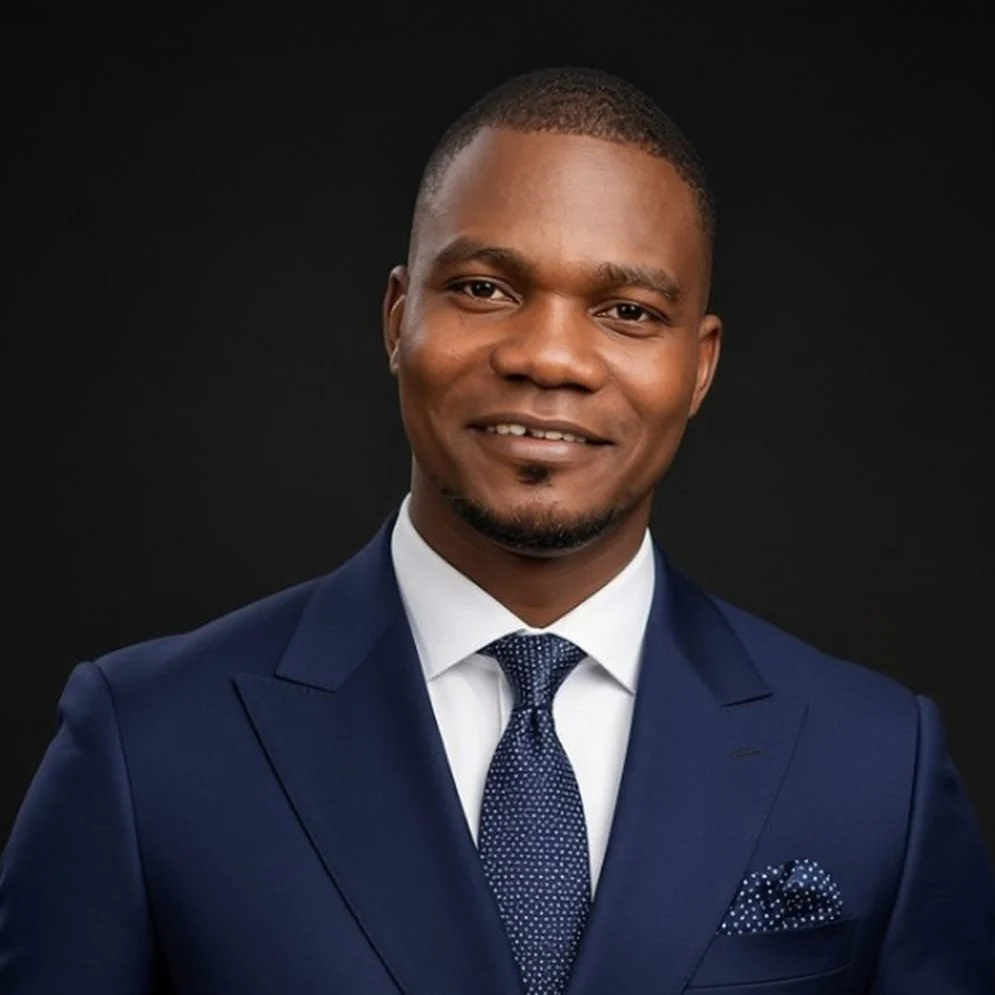
Oluwatobiloba Gideon Oludayomi is a life coach, a practical writer, and a versatile entrepreneur creating wealth solutions through agriculture, real estate, and enterprise. He is the Convener of the Dominion Guild Network, an ecosystem of high value individuals, young and determined to becoming an empowered generation. He is the author of 'Build It to Last', 'I Thought I Married a Wife' (a novel), and 'Practical Love.'