
Lagos Traffic Taught Me Patience… And How to Snack Smart
In Lagos, traffic is not an inconvenience. It is a classroom.
From Ojota to Victoria Island, from Berger to Lekki, hours disappear inside danfos, ride-hailing cars, and personal vehicles wedged between yellow buses and okadas. What begins as a commute often becomes a test of temperament.
But traffic does more than test patience.
It quietly shapes our eating habits.
The Urban Snacking Culture
Spend two hours in Lagos traffic and you will observe an entire informal food economy operating between car windows:
* Gala and soft drinks
* Plantain chips and chin-chin
* Meat pies wrapped in thin nylon
* Sugary groundnuts
* Fried puff-puff passed through half-open windows
Convenience drives consumption. Hunger mixed with frustration drives impulse decisions.
When the body is tired and the mind is irritated, the brain seeks quick energy — usually in the form of refined carbohydrates, sugar, and fried foods.
It is not just hunger. It is stress eating.
Stress and Food: The Hidden Link
Traffic elevates cortisol levels — the body’s stress hormone. When cortisol rises, cravings for high-calorie, fast-digesting foods increase.
That quick snack may provide temporary relief, but repeated daily habits accumulate:
* Weight gain
* Blood sugar instability
* Afternoon fatigue crashes
* Reduced mental clarity
In a city that already demands speed and stamina, poor snacking choices quietly reduce performance.
Urban stress is unavoidable.
Metabolic damage does not have to be.
The Discipline of Preparedness
One of the most underestimated health skills in Lagos is preparation.
Professionals who commute long distances are better served by planning their nutrition as intentionally as their meetings.
Smart commuter snacks include:
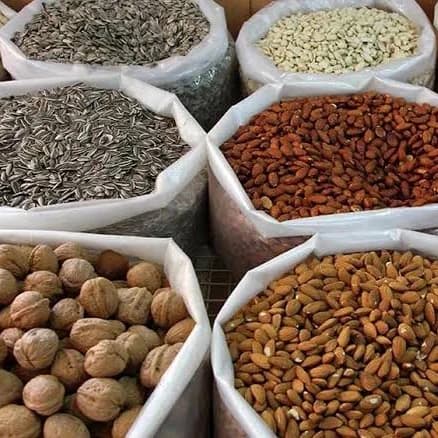
* Roasted groundnuts without added sugar
* Garden eggs or sliced cucumbers
* Unsweetened yoghurt in a small cooler pack
* Homemade whole-grain sandwiches
* Fruits like apples or oranges that travel well
Preparedness reduces impulsive purchases.
Structure reduces regret.
Patience Beyond Traffic
Lagos traffic teaches delayed gratification. You cannot force movement when the road is blocked. You wait.
The same principle applies to food discipline. Quick satisfaction often produces long-term consequences. Measured decisions produce sustained energy.
The city will always move fast.
Your body does not need to.
A Broader Lifestyle Reflection
Urban Nigerians are increasingly career-driven, ambitious, and competitive. But ambition without health is unstable.
Small daily decisions — including what we eat in traffic — compound over time.
Traffic may be unavoidable.
Mindless snacking is not.
Patience on the road can become patience in appetite.
And that shift alone can transform urban well-being.