
Leaving Africa Does Not Guarantee Success.
“No country can build your life for you; you are the one that will do it yourself”—DIS. Olajide Ojeniyi.
“A lizard in Africa is still a lizard in America”—Bishop David Oyedepo.
One of the greatest illusions sold to African youths is the idea that relocating to Western countries automatically translates to success. This belief has become so deeply entrenched that many now see migration not as an option, but as a life goal. Sadly, it is a dangerous mirage—one that has cost Africa its brightest minds while enriching other continents.
While African youths are risking their lives crossing deserts and seas to reach Europe and North America, Chinese, Indians, Lebanese, Europeans, and Americans are moving into Africa—not to work menial jobs, but to build businesses, acquire assets, and dominate markets. This contradiction alone should force us to pause and think.
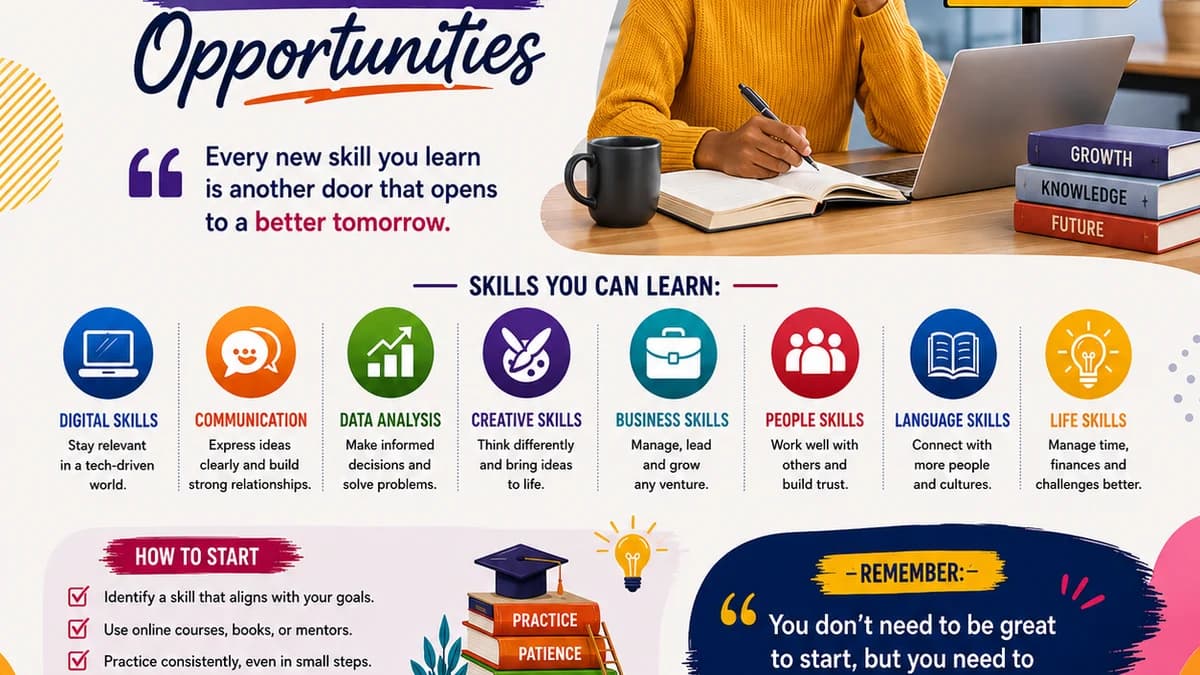
At the heart of this problem is not poverty alone—it is a mindset crisis, rooted deeply in Africa’s faulty educational system. From childhood, African students are trained to memorize textbooks, chase certificates, and aspire almost exclusively to white-collar jobs. Creativity, productivity, critical thinking, and entrepreneurship are treated as secondary—if they are taught at all.
The result is predictable: young people believe success lies outside Africa, not within it. They see certificates as passports, not tools. When the promised white-collar jobs fail to materialize at home, migration becomes the next logical step.
The Slave Route Rebranded
Let us be brutally honest: many African youths migrating to the West are not becoming global elites—they are entering modern economic servitude. Long hours, multiple jobs, crushing taxes, racial ceilings, loneliness, and psychological pressure are the realities many face.
Yet back home, a different story is told.
Social media is flooded with curated images—rented cars, borrowed lifestyles, staged smiles. Many Africans in the diaspora are depressed, frustrated, and exhausted, but they suffer in silence. Admitting failure would invite mockery, so they maintain the illusion. Pride sustains the lie.
The tragedy is this: thousands back home are making life-altering decisions based on these lies.
Hollywood Has Done Its Job
Hollywood has been one of the most effective propaganda machines in human history. Through movies, music, and pop culture, it has successfully painted Western countries as utopian paradises—lands where everyone lives their best life, systems work perfectly, and opportunities flow endlessly.
African youths have been thoroughly brainwashed by this imagery. What they are not shown are the homelessness, opioid crises, broken families, mental health epidemics, and systemic exploitation that plague these same societies.
But here lies another uncomfortable truth: the average African prefers sweet lies to bitter truths. Truth demands responsibility; lies offer escape.
Foreigners come to Africa with a completely different mindset. They do not come looking for jobs—they come to solve problems for profit. They understand that Africa is not poor; it is under-optimized. Where Africans see chaos, they see opportunity. Where Africans see limitations, they see markets.
Ironically, many of the businesses dominating African economies today are owned by foreigners who would never dream of relocating to Africa to work under someone else. They come to build, not to beg.
Redefining Success for African Youths
Success is not a location. It is value creation.
Africa does not need more migrants; it needs more builders, thinkers, innovators, and reformers. We must urgently reorient our youths to understand that:
• Certificates do not equal competence
• Migration does not equal success
• White-collar jobs are not the pinnacle of achievement
• Wealth is created by solving problems, not by escaping geography
This requires a radical overhaul of our educational philosophy—one that prioritizes creativity over cramming, productivity over paper qualifications, and entrepreneurship over entitlement. Yes, some Africans succeed abroad—but many would have succeeded anywhere because they carry value within them. Geography only amplifies what already exists.
The uncomfortable truth is that many who flee Africa are not running toward opportunity—they are running from responsibility. And no country can compensate for a mindset that has not been renewed.
Africa’s greatest export should not be its youths. It should be its ideas, innovations, and industries. Until we fix the foundational mindset problem—until we stop worshipping certificates, glamorizing migration, and swallowing Hollywood fantasies—we will continue bleeding human capital while others harvest our potential.
Relocation is not success.
Success is relevance.
And relevance can be built anywhere—especially at home.
About the Author
Olajide Ojeniyi is a passionate advocate for innovation, creativity, and entrepreneurship. With experience in research, leadership, and mentorship, he is dedicated to empowering young people to become creative problem-solvers and change-makers. He is a member of the World Bank's Solutions for Youth Employment (S4YE) Youth Advisory Group, where he contributes to global efforts to address youth unemployment and promote sustainable livelihoods. He believes that by harnessing the potential of young minds, we can create a brighter future for all.