The Gold That Built an Empire
Long before the pyramids of Europe's banking houses, before the vaults of Wall Street, before the world even knew the word "wealth" — there was a kingdom in West Africa that shone like the sun.
It was called Wagadou. The Greeks and Arabs would later call it the Ghana Empire.
And its wealth? It came from gold.
The Land of Gold
In the 8th century, the Ghana Empire stretched across what is now Mali and Mauritania. Its capital, Koumbi Saleh, was a bustling city of traders, scholars, and kings.
But the empire's true treasure was hidden further south — in the gold mines of Bambuk and Bure.
The king of Ghana controlled all of it.
Every nugget found in the mines belonged to him. Every grain of gold dust traded across the Sahara passed through his hands. He was said to keep a single, enormous nugget of gold in his palace — a stone so large that it could be used as a hitching post for his horse.
He was called "The Lord of the Mines."
The Silent Trade
But here's the strangest part of the story.
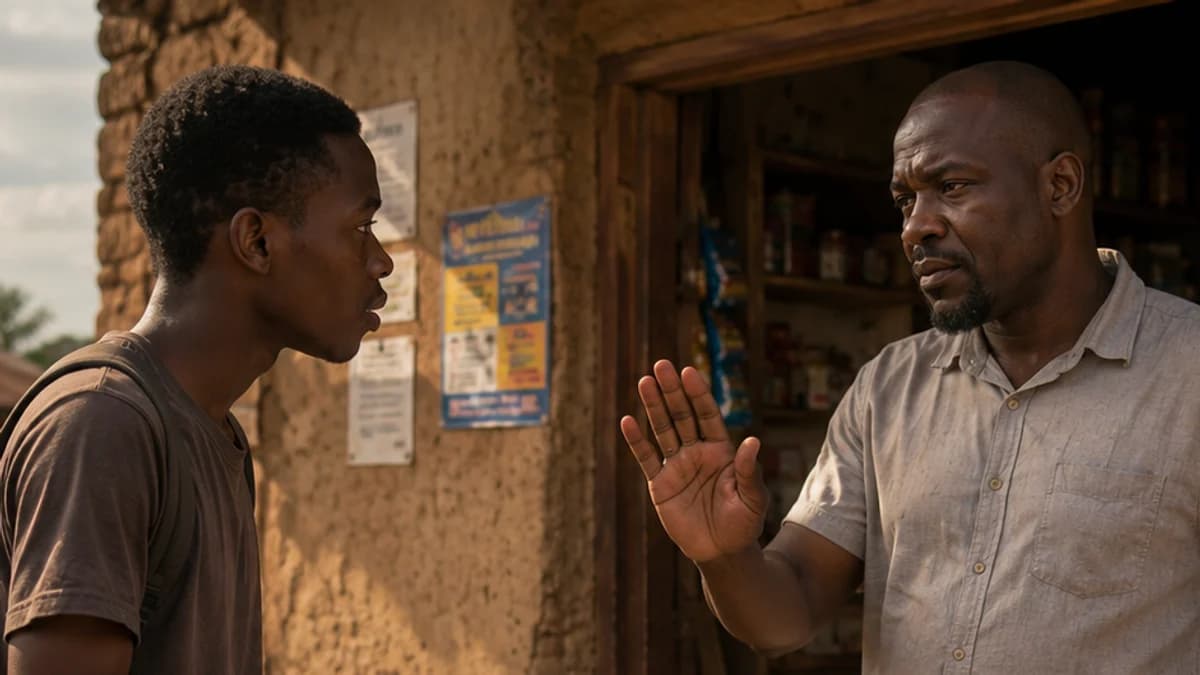
The Ghana Empire traded gold with the Arab and Berber merchants of the north — but they never spoke to each other.
They practiced something called the silent trade.
The merchants would arrive at a riverbank. They would place their goods — salt, copper, cloth — on the ground. Then they would beat a drum and walk away.
The Ghanaian traders would arrive. They would look at the goods. If they thought the price was fair, they would place a pile of gold dust beside the goods and walk away.
Then the merchants would return. If they were satisfied, they would take the gold and leave. If not, they would walk away — and the Ghanaians would add more gold.
Back and forth. Without a single word spoken.
Trust. Patience. Respect.
That's how business was done in the golden age of Africa.
The Richest Man Who Ever Lived
Centuries later, the gold of West Africa would produce the richest man in human history.
His name was Mansa Musa. He was the emperor of the Mali Empire — the successor to Ghana's golden throne.
In 1324, Mansa Musa made a pilgrimage to Mecca. He travelled with a caravan of 60,000 people, 12,000 slaves, and hundreds of camels — each carrying 300 pounds of gold.
When he passed through Cairo, he gave away so much gold that he crashed the Egyptian economy. The price of gold in Cairo plummeted. It took years to recover.
He was so wealthy that historians still debate whether anyone since — kings, queens, billionaires, tech moguls — has ever matched his fortune.
And it all began with the gold of West Africa.
The Lesson
The story of gold in Africa isn't just about wealth.
It's about value — and what we choose to do with it.
The Ghana Empire didn't hoard its gold. It traded. It built. It connected. It created a legacy that outlasted its kings.
And the silent trade? That's a lesson in itself.
Trust is the true currency of travel.
When you travel, you trade something far more valuable than gold. You trade trust. You trade respect. You trade kindness.
And when you do that — when you show up with an open heart and an honest intention — the world opens its doors to you.
The Travel Tip
When you travel Africa, remember the golden age.
✅ Trust the process. Not everything happens quickly. The silent trade took time. So does travel. Be patient.
✅ Respect the exchange. Whether you're buying a souvenir or booking a tour, remember that you're trading with real people. Be fair. Be honest.
✅ Honor the legacy. You're walking through lands that once held the world's greatest riches. Carry that history with you. Respect it.
✅ Travel like gold — with value. What you bring to a place matters. Bring kindness. Bring curiosity. Bring respect.
Drop it in the comments — let's share. 💬✨
#BorderlessAfricaTravel #GoldInAfrica #GhanaEmpire #MansaMusa #AfricanHistory #TravelWisdom See less