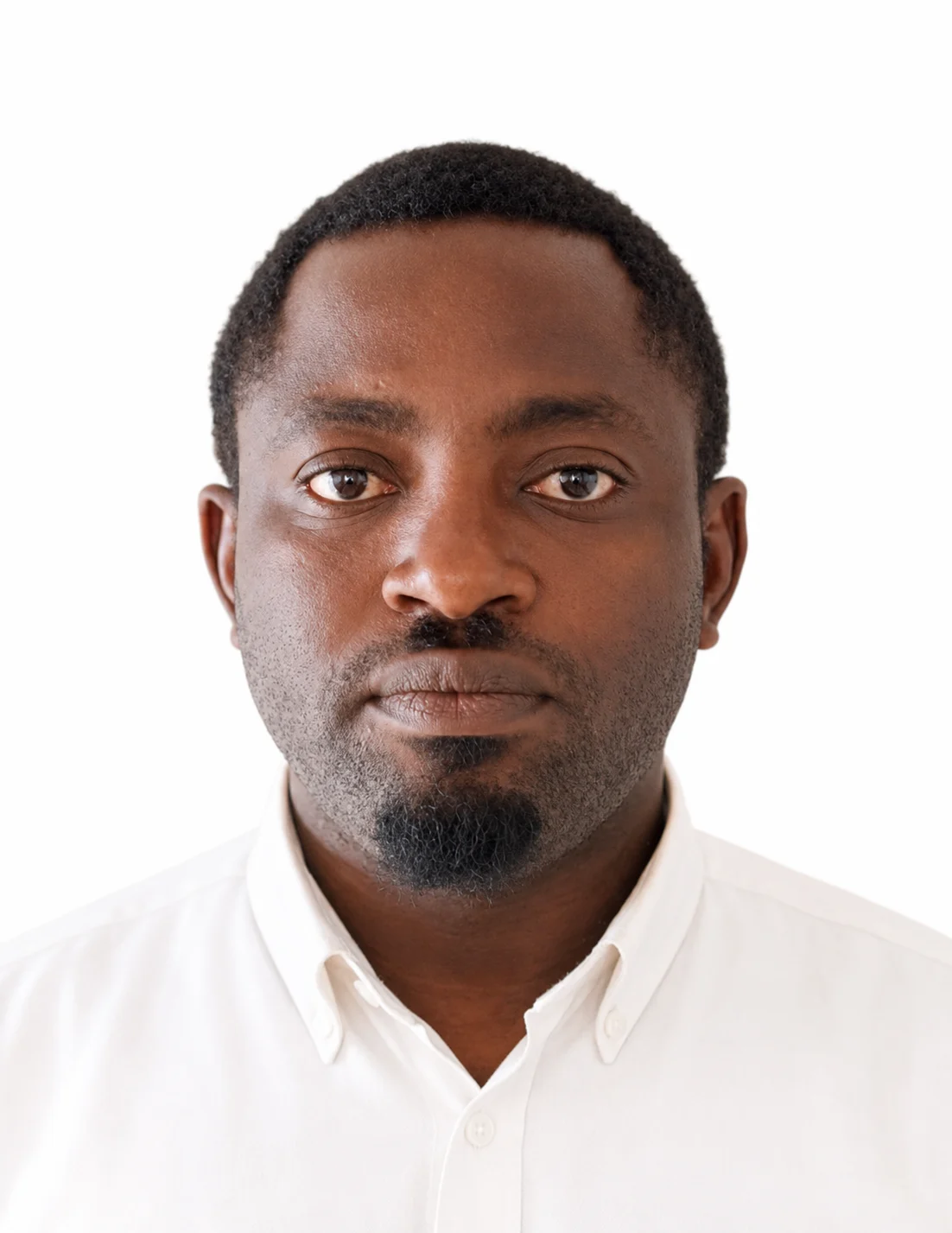

By Oluwatobiloba Gideon Oludayomi
Let me tell you something nobody warned me about growing up. Distraction is not an accident. It is a business model. Somewhere, someone is profiting from your inability to focus, and they have built entire economies around keeping your attention scattered.
Think about it. Every notification on your phone is designed by someone whose job is to pull you back in. Every scroll, every autoplay, every "you might also like" is engineered. Distraction is not what happens to you by chance. It is what happens to you by design. And the sooner you accept this, the sooner you stop feeling ashamed for struggling with it, and start getting strategic about it.
Here is a point I want to emphasize. You cannot avoid distraction. As long as you are alive, as long as you have desires, ambitions and interests, something will always be competing for your attention. The people who tell you to eliminate all distraction are selling you a fantasy. What you can do, what is actually within your power, is choose your own distractions before the world chooses them for you.
I have run businesses across agriculture, real estate, insurance, and media. I have sat in rooms full of ambitious people. And the pattern is always the same. It is never the person with zero distractions who wins. It is the person who decided in advance what deserves their focus and what does not.
Your mind is not a blank room waiting for silence. Your mind is a marketplace. Something will always be trading for space in there. The question was never whether you will be distracted. The question is who is doing the distracting, and whether you gave them permission.
Solomon understood this long before smartphones existed. He wrote, "Guard your heart above all else, for it determines the course of your life." Proverbs chapter four verse twenty three, New Living Translation. Notice he did not say guard your heart from all things. He said guard it above all else. That means priority, not isolation. He knew life would come with pulls in every direction. His counsel was not withdrawal. It was vigilance.
Let us talk numbers for a moment, because I like to ground my reflections in what is measurable, not just what is poetic. Studies on attention economics have shown that the average person checks their phone over one hundred times a day, and that most digital platforms are intentionally designed using variable reward systems, the same psychological principle that makes gambling addictive. This is not folklore. This is documented behavioral science. Entire advertising industries are built on capturing fragments of your attention and reselling them.
So when I say distraction is a strategy that keeps economies flowing, I am not being dramatic. I am being accurate. Somebody's revenue depends on your restlessness. Somebody's engagement metrics depend on your inability to sit still with one thought for more than a few seconds.
This is why I always say, the world does not need your permission to distract you. It only needs your attention unguarded for a moment. And once it gets that moment, it will keep asking for another one, and another, until years have passed and you are still waiting for the right time to start what truly matters to you.
Here is where the wisdom shifts from information to application. If you cannot escape distraction, then the discipline is not escape. The discipline is selection.
I tell young people this often. If you do not decide what will consume your time, something else will decide for you, and it will rarely be something that builds your future. Chosen distraction looks like reading a book that stretches your thinking. It looks like a hobby that restores you. It looks like time with people who add value to your life. Unchosen distraction looks like hours gone on a screen you cannot even remember scrolling through.
Both are distractions. Both pull you away from your immediate task. But one leaves you sharper. The other leaves you emptier. The difference is not in the presence of distraction. The difference is in who authored it.
There is a quiet truth here that many overlook. What looks like a discipline problem on the surface is often a design problem underneath. People do not fail because they lack willpower. They fail because they never designed their environment or their intentions ahead of the moment of temptation. By the time the distraction arrives, the decision has already been made for them, because no prior decision existed.
Paul wrote something in Philippians chapter four verse eight that reads almost like a filtering system. "Fix your thoughts on what is true, and honorable, and right, and pure, and lovely, and admirable. Think about things that are excellent and worthy of praise." The Living Bible translation puts it plainly, but the instruction is a mechanism. Fix your thoughts. That word fix implies effort. It implies choice. It implies that your mind will wander unless you actively anchor it somewhere.
This tells me something important. Even in ancient times, the human mind needed direction, not just discipline. Paul did not tell believers to think about nothing. He told them what to think about instead. That is the whole secret. You do not defeat distraction with emptiness. You defeat it with a better, deliberately chosen occupation for your mind.
Now let me take you deeper, because that is what I do. Most people think their distraction problem is about discipline. It is not. It is about clarity. You are easily distracted when you do not have a compelling enough reason to stay focused. Show me someone who cannot put their phone down during work hours, and I will show you someone whose vision for that work is still blurry. By the way, I am aware phones now qualify as workspaces but I guess you get my point.
This is uncomfortable to hear, but it is true. Distraction thrives in the absence of a clear why. When your goal is vivid, when it means something to you at a personal, almost desperate level, distractions lose their grip. Not because they disappear, but because they suddenly seem smaller compared to what you are chasing.
I always say, the size of your distraction is often just a reflection of the size of your vision. Shrink the vision, and everything distracts you. Grow the vision, and only the necessary things can hold your attention.
I have had seasons where I chased ten things at once, thinking productivity meant motion. I later realized motion without direction is just another form of distraction, just a more respectable one. Busyness can be a distraction too. It can disguise itself as purpose while quietly keeping you from your actual assignment.
Somewhere along the line, I learnt to ask myself a simple question before starting my day. What deserves my attention today, and what is only demanding it. Demand and deserving are not the same thing. Many things will demand your time loudly. Very few things actually deserve it.
If you are reading this and you feel like your life has become a series of reactions rather than decisions, that is your invitation to pause. Not to withdraw from the world, but to reorganize your relationship with it. You are not weak because you get distracted. You are human. But you are unwise if you never decide, in advance, what you will allow to distract you.
Choose your distractions the way you would choose your friends. Intentionally, and with your future in mind.
I would love to hear from you. What has been your biggest unchosen distraction this year, and what is one distraction you have deliberately chosen instead that has actually added value to your life. Drop your thoughts below. Someone reading this needs your honesty today.
* * *
Oluwatobiloba Gideon Oludayomi is a practical writer, a scripture addict, and a versatile entrepreneur building wealth through agriculture, real estate, and enterprise. He writes on faith, business systems, personal development, mindset re-engineering, and the Nigerian condition. He is the Convener of the Dominion Guild Network, an ecosystem of high value individuals, young and determined to becoming an empowered generation. He is also the author of "Build It to Last", "I Thought I Married a Wife" (a novel), and "Practical Love".