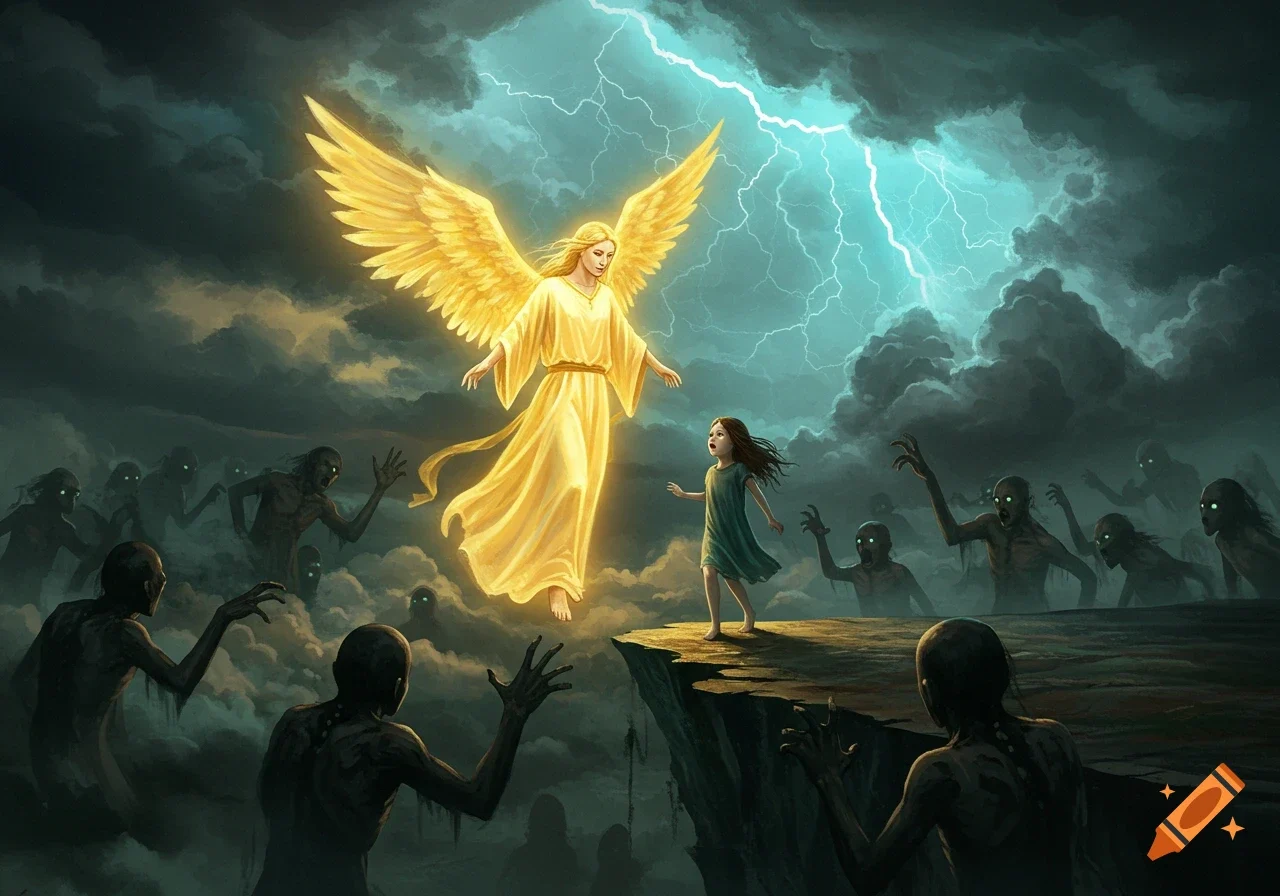
Divorce or separation may end a marriage, but for children, it can feel like the beginning of a completely different world.
Children often struggle to understand why the two people they love most can no longer live together. Some experience sadness, loneliness, anger, anxiety, guilt, or fear about what the future holds. Younger children may even believe that somehow they caused their parents’ separation.
The effects can appear in different ways. A child may become unusually quiet, aggressive, withdrawn, or rebellious. Others may experience declining academic performance, difficulty concentrating, loss of interest in activities, or problems forming trusting relationships. Some children become emotionally attached to one parent and resent the other, especially when they are exposed to parental conflict or negative comments about the other parent.
However, divorce does not automatically condemn a child to an unhappy future. What often matters most is not simply whether parents remain married, but the environment surrounding the child. Constant fighting, hostility, violence, manipulation, or using children as messengers can sometimes be more damaging than a peaceful separation.
Children need reassurance that they are loved by both parents and that the separation is not their fault. They need stability, honest but age-appropriate explanations, consistent routines, emotional support, and the freedom to love both parents without feeling guilty or disloyal.
Parents should therefore resist the temptation to turn children into judges, messengers, spies, or weapons against each other. Whatever happened between the adults, the child still deserves the opportunity to grow up feeling secure.
A broken marriage does not have to produce a broken child.
Sometimes parents cannot save their relationship—but they can still work together to protect the heart, confidence, and future of the child they brought into the world.