




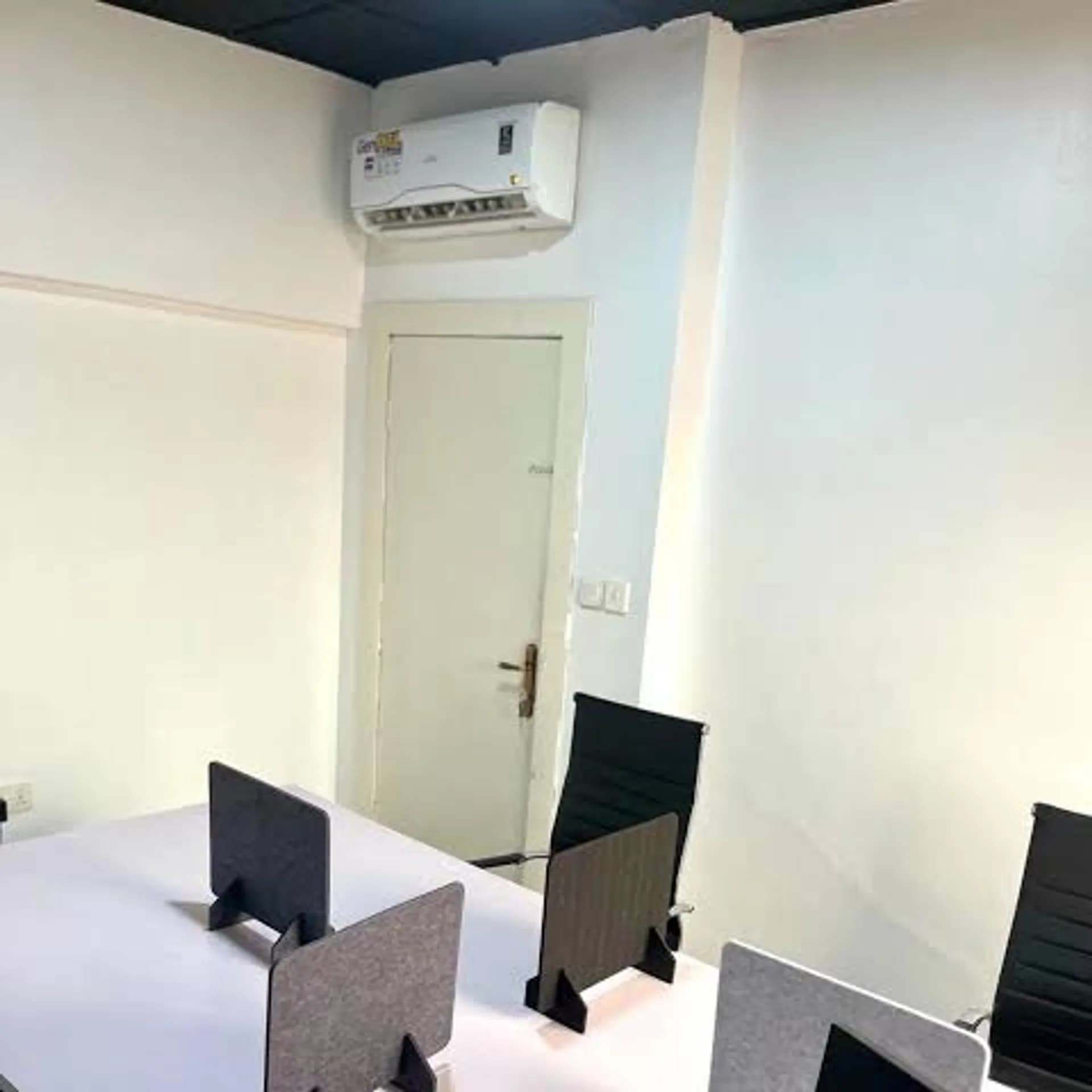
The global workforce has fundamentally shifted this February 2026. Major Fortune 500 companies in the US and Europe have moved beyond "outsourcing" to "borderless hiring," seeking top-tier talent regardless of zip code. While the world discusses the "Asynchronous Work" revolution, a quiet but massive economic shift is happening right here in Nigeria. We aren't just talking about the "Japa" wave anymore; we are seeing the rise of the "Stay-and-Earn" generation. Young professionals in neighborhoods like Gbagada and Yaba are landing senior roles at global firms, earning in USD, and fueling a local real estate and tech boom. This evergreen guide breaks down how the "Remote Work Industrial Complex" is reshaping our streets, with 2026 cost ranges for home offices, internet (Starlink), and co-working hubs.
1. The Global Shift: Why Silicon Valley is Hiring in Surulere
• The Big Picture: The 2026 "Global Talent Crunch" means Western companies are desperate for skilled data analysts, UI/UX designers, and ethical hackers. They are no longer looking for "cheap labor"—they want competence.
• Local Impact: This demand has turned residential hubs like Gbagada Phase 1 and Surulere’s Bode Thomas into "Tech Dorms." You’ll see fewer suits at 7 AM bus stops and more setups with dual monitors and ergonomic chairs visible through windows.
• Tip: The hottest global roles for Nigerians right now are Cloud Architecture and AI Prompt Engineering.
• Safety Note: When setting up a high-value home office, invest in burglary proofing and keep expensive gear away from street-facing windows.
2. Infrastructure Wars: Starlink vs. Fiber in Yaba & Ikeja
• The Battle: Reliable internet is the oxygen of this economy. While fiber optics (like ipNX) rule the Island, the Mainland is seeing a Starlink dominance.
• Cost Range (2026):
• Starlink Gen-3 Kit: N150,000–N200,000 (One-time hardware).
• Subscription: N30,000–N40,000 monthly.
• Fiber (Mainland): N20,000 monthly for unlimited speeds (in covered areas like Sabo, Yaba).
• Actionable Tip: If you live in a "cluster" area like Medina Estate in Gbagada, pool funds with neighbors to share a high-speed business fiber connection. It’s cheaper and faster.
3. The "Power" Couple: Solar Inverters & Remote Productivity
• Top Spots for Gear: Alaba International Market remains the king, but Computer Village (Ikeja) has specialized "Remote Work Kits" shops.
• Cost Range: N800,000–N1.5 Million for a 3.5kVA Solar setup (Lithium batteries are now standard in 2026).
• Why?: You can't explain "NEPA took light" to a boss in San Francisco. A silent solar setup is now a resume requirement.
• Actionable Tip: Visit the "Tech-Energy" aisle in Computer Village (Otigba Street). Negotiate for "Installation + Maintenance" packages to save 15% long-term.
4. Co-Working vs. Home Office: Where to Work in 2026
• Top Spots: Workstation in Maryland or The Hub in Yaba (Herbert Macaulay Way).
• Cost Range: N5,000 daily pass or N60,000 monthly membership.
• Actionable Tip: If your home is noisy, use the cafés in Ikeja GRA (like Orchid Bistro) for client calls—just buy a coffee (N1,500) and tip well.
• Resource: Check the "Lagos Remote Workers" Slack channel for reviews on the quietest spots with the strongest AC.
5. How to Land Your First Global Role (Step-by-Step)
• Step 1: Optimize your LinkedIn profile. Change your location to "Nigeria (Available for Remote)" and list skills in global terms (e.g., "AWS Certified" not just "Computer Operator").
• Step 2: Upskill cheaply. Visit Unilag’s Innovation Hub or online platforms like Coursera.
• Step 3: Setup your payment rails. Open a Domiciliary Account (GTB or Zenith) or use fintech apps like Grey or Gigbanc to receive USD/GBP.
• Step 4: Network locally. Attend "Tech meetups" at Radisson Blu Ikeja to meet others who have already cracked the code.
This shift proves you don't need a visa to earn a global living—you just need the right skills and a solid setup! Are you Team Home Office or Team Co-Work? Share your setup tips below! 💼🚀