Sunday evenings once had a rhythm.
The sun softened. Noise reduced. Children gathered around the television before darkness fully settled. No remote control fights. No second screen. Attention was complete.
Then the story began.
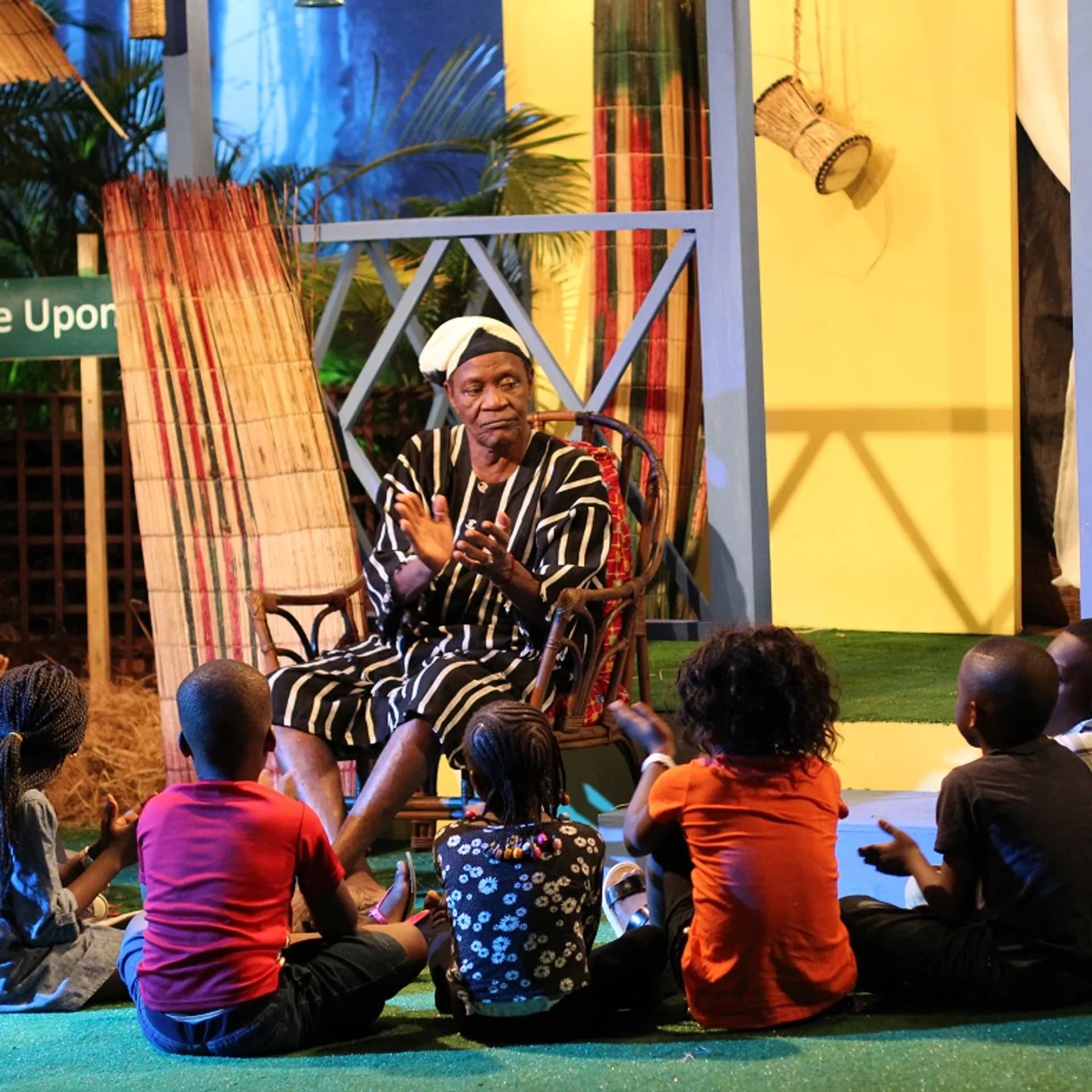
A woman sat under a tree. Children formed a circle. Voices dropped. Listening started.
Tales by Moonlight did not rush. It did not shout. It did not explain itself twice. It trusted attention.
Stories came from villages, forests, animals, ancestors, tricksters. Each tale carried consequence. Greed failed. Wisdom survived. Arrogance paid a price. Kindness returned quietly.
There were no special effects. No fast edits. No exaggerated drama.
Originality lived in restraint.
The show worked because it followed how stories were always meant to travel in Africa. Slowly. Communally. With pauses. With room for imagination.
Children were not treated as empty vessels. They were trusted to understand symbolism. They learned culture without being told they were learning culture.
That is the part modern storytelling often forgets.
As Nigerian film and television evolved, production improved but patience reduced. Stories started competing for attention instead of earning it. Moral clarity turned into exposition. Silence disappeared.
Yet global storytelling is looping back.
Audiences now value depth over noise. Character over spectacle. Local truth over borrowed templates.
The future of Nigerian storytelling does not lie in copying global formats. It lies in remembering what Tales by Moonlight understood early.
Stories shape thinking when they respect the listener.
Modern Nigerian films have an opportunity.
Blend old rhythm with new complexity.
Trust viewers again.
Let stories breathe.
Anchor narratives in culture without overexplaining them.
Children today scroll faster than stories move. Adults watch while distracted. Attention has become fragile.
That makes storytelling responsibility heavier, not lighter.
Tales by Moonlight succeeded because it slowed people down.
The next generation of Nigerian stories will win by doing the same.
Not by going backwards.
But by carrying forward what already worked.