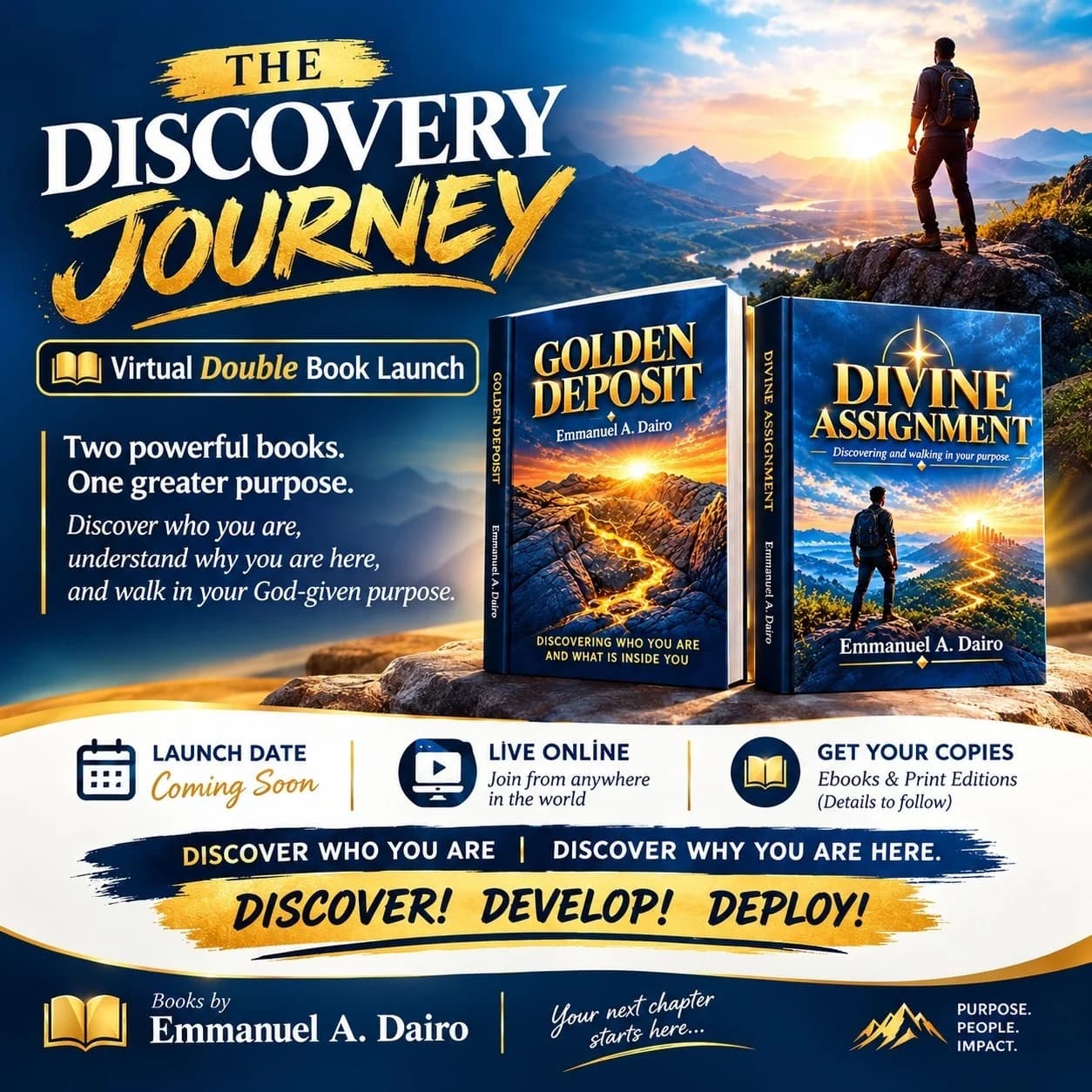

Self-discovery is the process of understanding who you truly are, your values, strengths, passions, and purpose. It requires honesty, reflection, and consistent action.
1. Create Time for Self-Reflection
Set aside quiet time daily or weekly to think about your life.
Ask yourself:
What truly makes me happy?
What drains my energy?
What do I want from life?
Tip: Keep a journal and write your thoughts regularly.
2. Identify Your Core Values
Your values shape your decisions and behavior. Values like honesty, faith, family, growth, freedom and service.
Write down 10 values that matter to you, then narrow them down to your top 5.
3. Discover Your Strengths and Weaknesses
Knowing what you’re good at and where you struggle helps you grow intentionally.
What do people often praise me for?
What tasks feel natural to me?
What habits or attitudes hold me back?
Tip: Ask trusted friends or mentors for honest feedback.
4. Explore Your Passions and Interests
Your passions often point toward your purpose.
Think about:
What activities make you lose track of time?
What topics do you enjoy learning about?
What would you do even if you weren’t paid?
Make a list of things you enjoy and start doing more of them.
5. Face Your Fears and Limiting Beliefs
Many people don’t discover themselves because fear blocks them. Fear of failure, rejection, judgment.
Action step:
Write down your biggest fears and ask:
Is this fear real or imagined?
What is the worst that could happen?
What is one small step I can take anyway?
6. Try New Experiences
You won’t discover yourself by staying in the same routine.
Try:
New hobbies
Volunteering
Learning a new skill
Meeting new people
Traveling (if possible)
Experience reveals hidden talents and interests.
7. Set Personal Goals
Goals give direction to your self-discovery journey.
Create goals in areas like health, finances, career, relationships, spiritual life. Start with small, realistic goals and build momentum.
8. Build Positive Habits
Your daily habits shape who you become. Habits like reading, exercising, praying or meditating planning your day, limiting distractions and consistency brings clarity.
9. Learn from Your Past
Your life experiences carry important lessons.
Reflect on:
Past successes
Past failures
Major turning points and try to relate the lessons learnt and how it shaped you.
10. Define Your Life Vision
After reflection, ask yourself:
Who do I want to become in the next 5 -10 years?
What kind of life do I want to live?
What impact do I want to make?
Write a simple personal mission statement that describes the life you want.
Final Thought
Self-discovery is not a one-time event; it’s a lifelong journey.
As you grow, your interests, values, and goals may evolve, and that’s perfectly normal.
Know yourself, grow yourself, and become your best self.