Stablecoins vs. Traditional Wire Transfers. Why Nigerian Importers are Switching to Digital Dollars:
Nigeria’s financial landscape is undergoing a radical shift. For years, the "Form M" bureaucracy and the elusive liquidity of the Investors and Exporters (I&E) window have been the primary bottlenecks for domestic commerce. However, the 2026 Nigerian Modernization of Payments initiative has signaled a new era.
With the Central Bank of Nigeria (CBN) and the Africa Stablecoin Network (ASN) collaborating to streamline digital assets, stablecoins have moved from the fringes of "crypto-trading" to a core utility for international settlement.
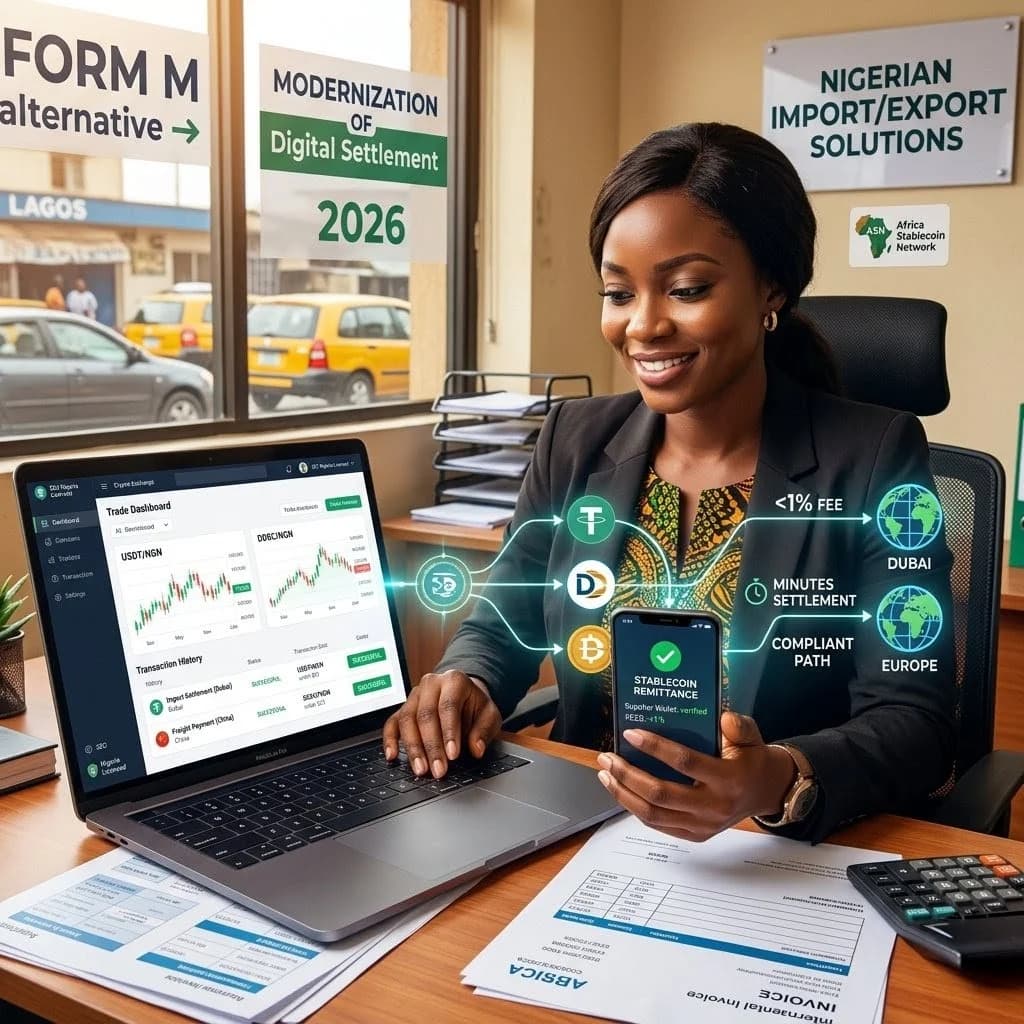
The goal is ambitious: reducing remittance fees to under 1% and collapsing settlement times from days to mere minutes.
The "Digital Dollar" vs. The Black Market
Traditional foreign exchange (FX) sourcing often forces businesses into the volatility of the black market, where spreads are wide and risks are high. Stablecoins digital assets pegged 1:1 to fiat currencies offer a transparent "bridge" for trade.
USDT and DDSC: While Tether (USDT) remains the global liquidity standard, 2026 has seen the rise of the DDSC (Dirham-backed Stablecoin). For Nigerian importers frequenting Dubai’s markets, DDSC eliminates the double-conversion cost (Naira to Dollar to Dirham).
The Cost Efficiency: A traditional wire transfer can erode 3-5% of a transaction’s value through intermediary bank fees and unfavorable exchange rates. In contrast, a stablecoin transfer typically costs less than $2 on scalable networks, regardless of whether you are sending $500 or $50,000.
Regulated Paths: Compliance in 2026
Safety in the digital asset space is no longer a matter of luck but of regulatory adherence. To prevent the "Post-No-Debit" (PND) orders and account freezes that plagued previous years, users must prioritize SEC-licensed platforms.
The Compliant Off-Ramp Process
Moving value from a digital wallet back into a Naira corporate account requires a clear audit trail. Under current guidelines, the "off-ramp" process involves:
Liquidation via Licensed VAs: Converting stablecoins through Virtual Asset Service Providers (VASPs) recognized by the Nigerian SEC.
Corporate Integration: Using specialized fintech gateways that automatically generate the necessary tax and compliance documentation for the CBN.
Local Settlement: Ensuring the final Naira credit originates from a recognized financial institution, maintaining the legitimacy of your business’s books.
Risk Mitigation: Verifying Your Counterparty
The speed of blockchain is its greatest strength, but its permanence is its greatest risk. Once a payment is sent, it cannot be reversed. For importers dealing with suppliers in China or the UAE, "on-chain" due diligence is mandatory.
Pro-Tip: Before authorizing a high-value transfer, use a blockchain explorer to verify the recipient's wallet history. A legitimate supplier's wallet should show a consistent history of transactions rather than being a "burner" address created minutes before the invoice.
Safety Checklist for 2026:
The "Dust" Test: Send a nominal amount (e.g., $10) first to confirm the recipient receives the funds and the wallet is active.
Multi-Sig Requirements: For large corporate payments, utilize "Multi-Signature" wallets that require approval from both the Finance Director and the CEO before funds are released.
Verify the Network: Ensure both parties are on the same blockchain (e.g., TRON, Ethereum, or Solana). Sending USDT-TRC20 to an ERC20 address remains the most common cause of permanent fund loss.
By adopting these regulated digital tools, Nigerian entrepreneurs are finally bypassing the friction of legacy banking, reclaiming their margins, and competing more effectively on the global stage.