
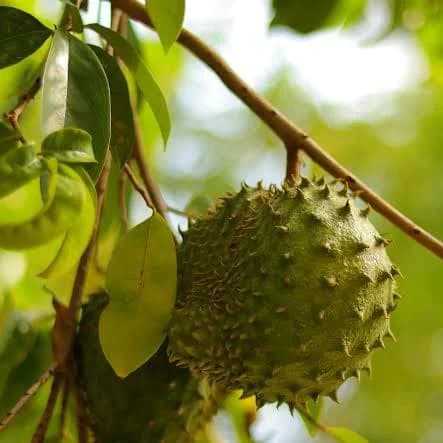
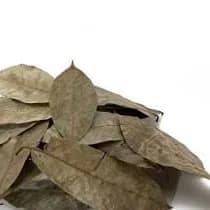
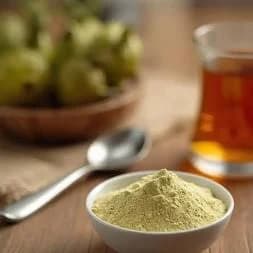
Soursop leaves come from the Annona muricata tree, which is native to tropical regions of the Americas and widely cultivated across the tropics globally, including West Africa and the Caribbean. Also known as graviola or guanabana, the leaves are highly sought after in traditional herbal medicine for their diverse bioactive compounds.
Soursop leaves contain a powerful mix of plant compounds including flavonoids, tannins, and specialized antioxidants called annonaceous acetogenins that give the tea its medicinal properties.
Primary health benefits associated with soursop leaf tea:
1. Strong Anti-Inflammatory Effects
The antioxidants in the leaves actively neutralize free radicals, helping to lower oxidative stress throughout the body. In traditional medicine, this makes it a popular remedy for easing joint pain, soothing arthritis symptoms, and reducing general systemic inflammation.
2. Blood Sugar Regulation
Several laboratory studies suggest that soursop leaf extracts can help manage glucose levels. The compounds in the tea work by supporting better insulin sensitivity and helping to regulate the enzymes involved in breaking down carbohydrates, making it beneficial for metabolic health.
3. Immune System Support
Rich in vitamin C and diverse phytochemicals (plant chemicals), soursop leaf tea acts as a natural booster for the immune system. It helps stimulate the production of white blood cells, reinforcing the body's defense against common seasonal infections, viruses, and bacteria.
4. Stress Relief and Better Sleep
The tea acts as a mild sedative on the central nervous system. Drinking a warm cup in the evening can help lower stress hormones, calm smooth muscle tissue, and promote a sense of relaxation, making it a great natural aid for restlessness or mild insomnia.
5. Cellular Protection
The unique acetogenins found in soursop leaves have been the subject of significant scientific interest due to their ability to target compromised or abnormal cells. While research is ongoing to fully understand their scope, these compounds are highly valued for their role in overall cellular defense and longevity.
Making soursop leaf tea is straightforward, but because the leaves contain potent active compounds, precision with your brewing time and daily intake is key.
Traditional, safe recipe using standard measurements.
The Recipe
1. Prep the leaves
1-2 minutes
Take 3 to 5 medium soursop leaves (fresh or dried). Gently rinse them under clean running water to remove any dust or debris.
2. Bring water to a boil
3-5 minutes
Pour 2 cups (about 500 ml) of water into a small stainless steel or ceramic pot. Bring the water to a rolling boil.
3. Simmer the leaves
10 minutes, covered
Add the leaves to the boiling water. Lower the heat to a gentle simmer, cover the pot with a lid, and let it brew for 10 minutes. Covering the pot keeps the volatile beneficial oils from evaporating.
4. Strain and cool
2-3 minutes
Turn off the heat. Strain the tea into a cup to remove the leaves completely, preventing the tea from becoming overly bitter or over-concentrated. Let it cool to a comfortable drinking temperature.
How to Drink and Serve It
Taste Profile: The tea has a pleasant, earthy, and slightly fruity flavor. You can drink it plain, or add a teaspoon of honey or a squeeze of lemon to enhance the taste.
Best Time to Drink: Because of its natural relaxing properties, many people prefer drinking it in the evening, about an hour before bed.
Daily Guidance: Stick to 1 cup per day. To avoid any heavy accumulation of alkaloids in your system, it is highly recommended to follow a "cycled" schedule: drink it for 5 to 7 days, then take at least a 3-day break before brewing it again.
Important Safety Note: While occasional consumption of soursop leaf tea is generally safe for most individuals, the leaves contain annonacin, a potent neurotoxin. Chronic, long-term, or heavy daily consumption over months or years is strongly discouraged, as it has been linked in studies to neurological symptoms similar to Parkinson's disease