There is a silent belief in many homes that parents are never wrong. In our culture especially, parents are often placed on a pedestal where questioning them is seen as disrespect. But the truth is that parents are human too, and like every human being, they make mistakes. Some of those mistakes leave deep emotional wounds on their children, wounds that many people carry quietly into adulthood.
Many children grow up in environments where harsh words, constant criticism, comparison with others, or emotional neglect were normal. Some were beaten beyond discipline, some were constantly told they were not good enough, and others were forced to live under expectations that ignored their individuality. These experiences shape how people see themselves and how they relate with the world.
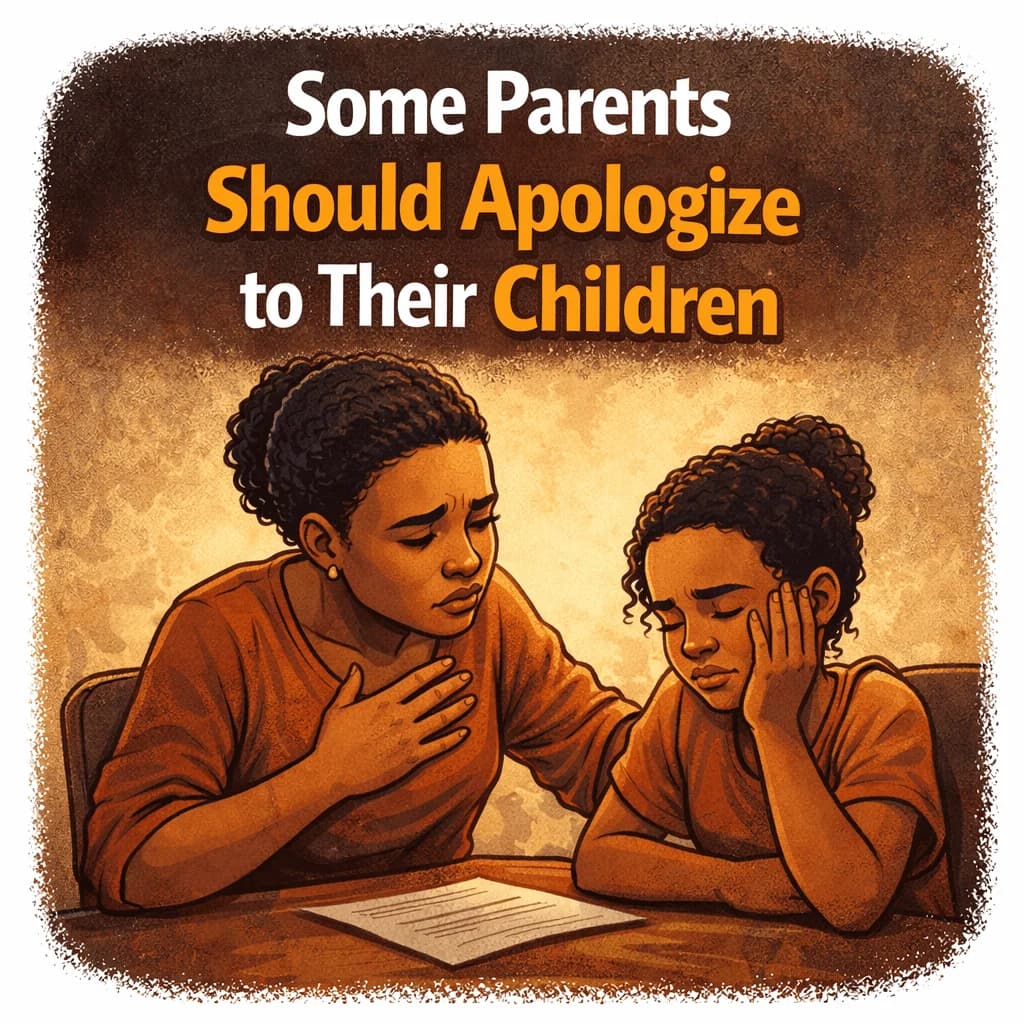
Yet, when these children grow older and try to express how those experiences affected them, they are often shut down with statements like “I am your parent,” “I did it for your good,” or “You cannot question me.” The idea that a parent could apologize to their child is still seen as strange in many households. But acknowledging wrongdoing does not remove parental authority; it simply shows maturity and accountability.
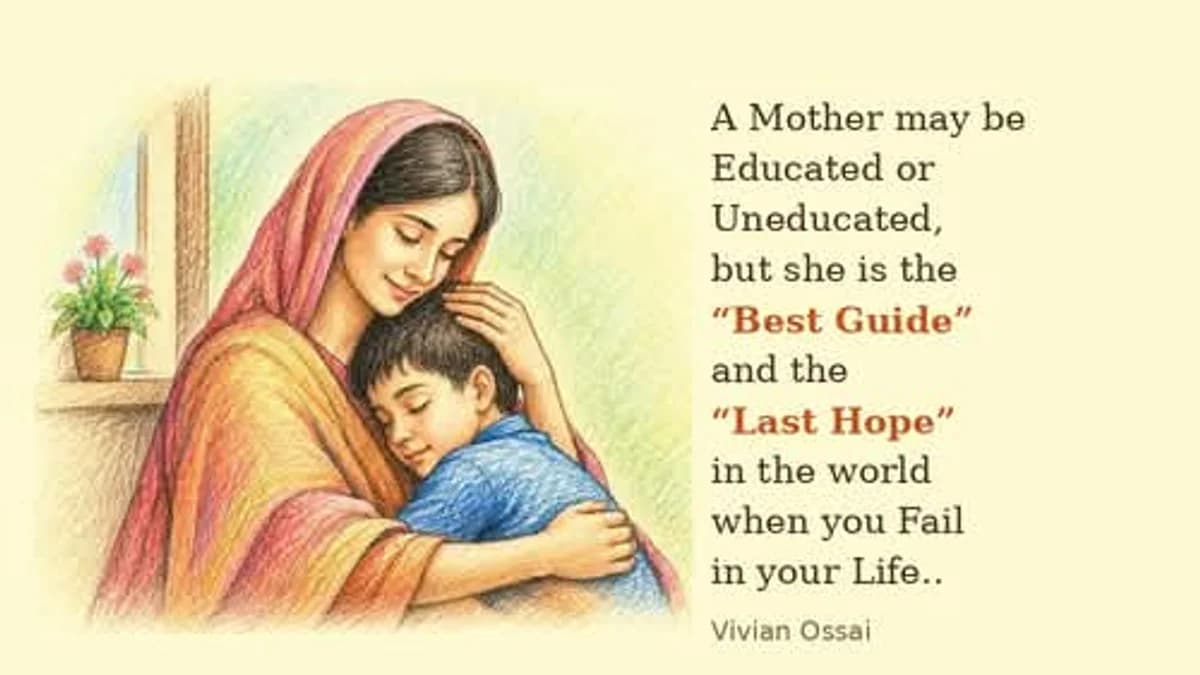
An apology from a parent can heal more than people realize. It tells a child that their feelings matter and that their experiences were real. It also breaks the cycle of silence that often allows emotional wounds to linger for years. When parents admit their mistakes, they teach their children something powerful; that being older does not mean being perfect, and that taking responsibility is a sign of strength, not weakness.
Perhaps one of the most difficult but necessary conversations in many families today is this: parents are not always right, and sometimes, the most meaningful thing they can offer their children is a sincere apology.