
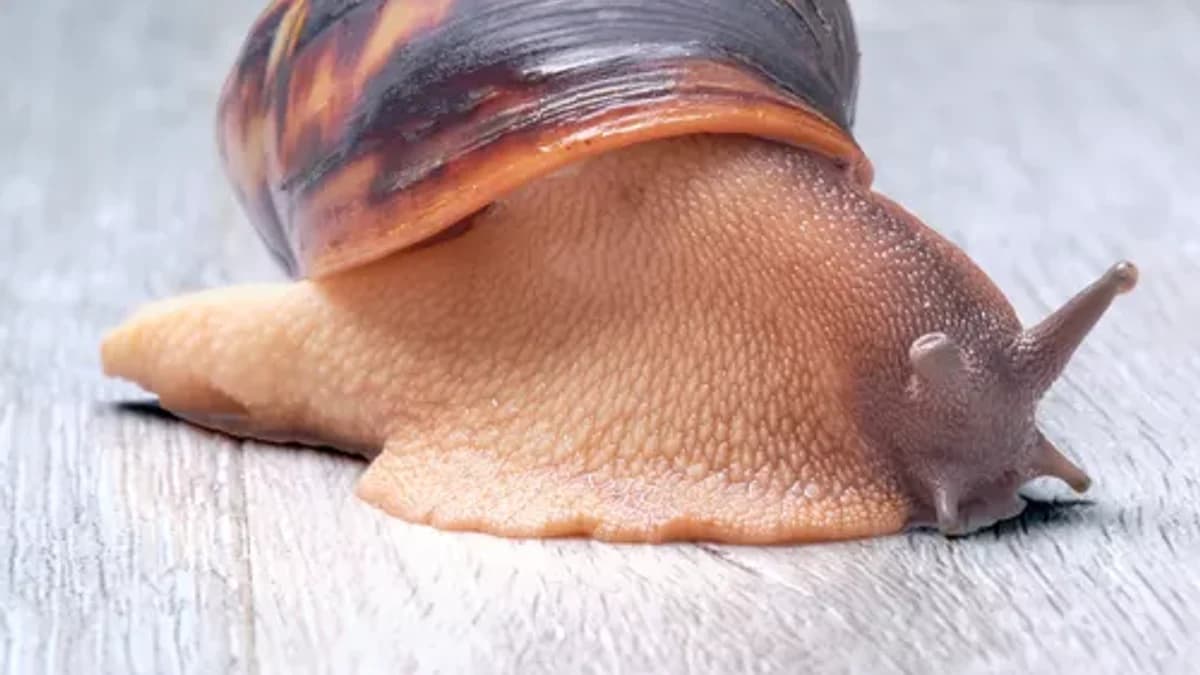
A snail is a shelled gastropod. The name is most often applied to land snails, terrestrial pulmonate gastropod molluscs. However, the common name snail is also used for most of the members of the molluscan class Gastropoda that have a coiled shell that is large enough for the animal to retract completely into. When the word "snail" is used in this most general sense, it includes not just land snails but also numerous species of sea snails and freshwater snails. Gastropods that naturally lack a shell, or have only an internal shell, are mostly called slugs, and land snails that have only a very small shell (that they cannot retract into) are sometimes called semi-slugs.
What are their feeding mode:
The average snail's diet varies greatly depending on the species, including different feeding styles from herbivores to highly specialized feeders and parasites.Some snails like Euglandina rosea, or rosy wolfsnail, are carnivorous and prey on other snails. However, most land snails are herbivores or omnivores. Among land snails, there is also a large variation in preference for specific food. For example, Cepaea nemoralis, or the grove snail, prefers dead plant material over fresh herbs or grasses. Age may also impact food preference, with adult grove snails showing a significantly larger preference for dead plant material than juvenile grove snails. Other snails, like the generalist herbivore Arianta arbustorum, or copse snail, choose their meals based on availability, consuming a mix of arthropods, wilted flowers, fresh and decayed plant material, and soil.
Generally, land snails are most active at night due to the damp weather. The humid nighttime air minimizes water evaporation and is beneficial to land snails because their movement requires mucus, which is mostly composed of water. In addition to aiding movement, mucus plays a vital role in transporting food from the gill to the mouth, cleansing the mantle cavity, and trapping food before ingestion.