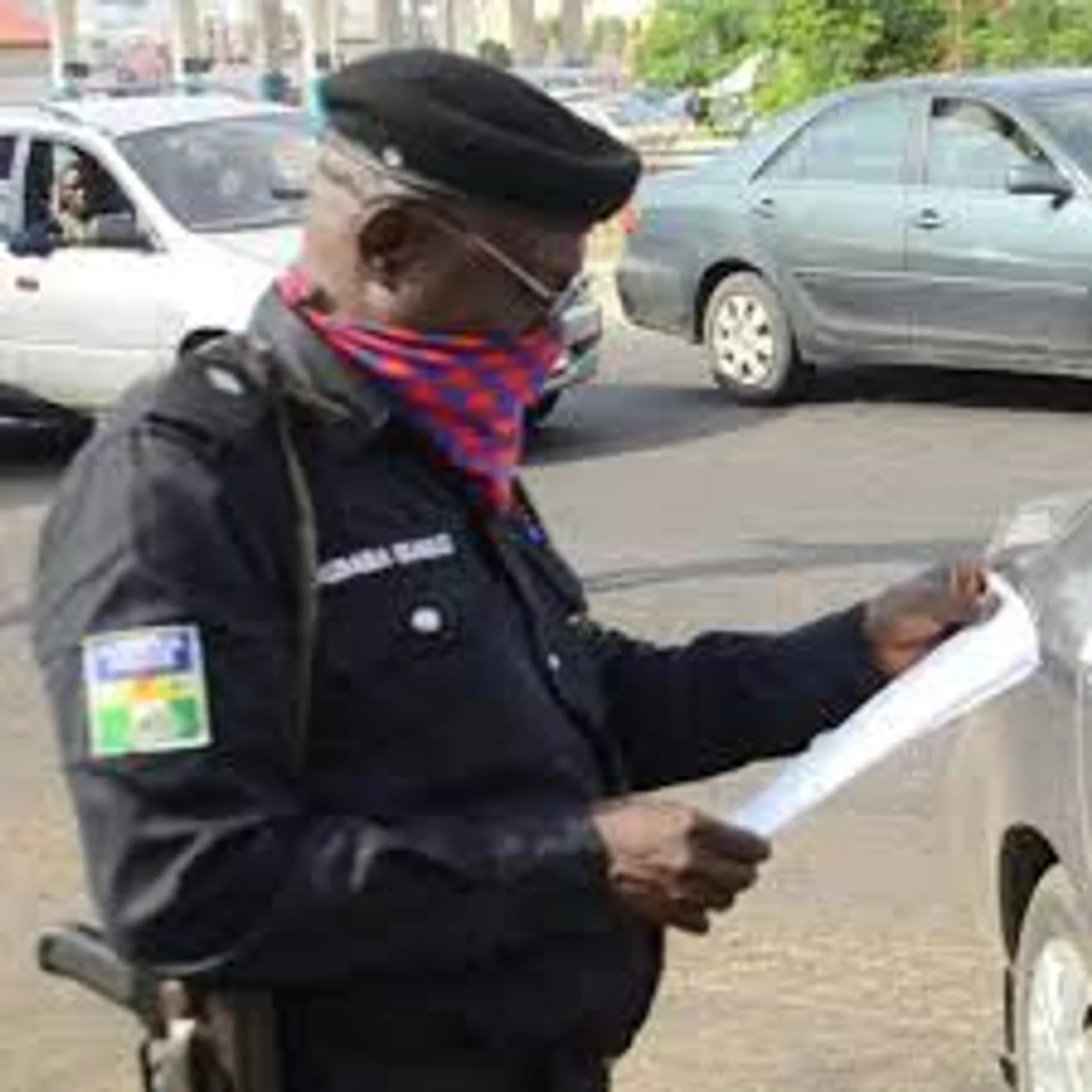
For many young Nigerians now, the sight of a police checkpoint does not feel like safety.
It feels like calculation.
Are they armed security or armed robbers.
Some days, the difference is hard to see.
In Port Harcourt, especially in the evenings, checkpoints appear without warning.
Blue lights. Flashlights. Guns hanging casually.
Young men asked to step down.
Unplanned searches are normal.
Phones inspected like public property.
Questions asked in tones that are not really questions.
Where are you coming from.
What do you do for a living.
Who sent you.
Once, on my way back from work, our car was stopped.
Everyone was asked to come down.
The search began.
Hands moved over my body in ways that would be inappropriate anywhere else.
No explanation.
No warrant.
Just authority.
They went through my phone.
Scrolled. Opened apps. Checked messages.
It did not matter that there was nothing to find.
In the end, there was a quiet suggestion.
Something for the weekend.
Something to make the matter go away.
Money changed hands.
The car was allowed to move.
No receipt.
No crime committed.
No protection offered.
Just relief that it ended without escalation.
Many young people in Port Harcourt have a version of this story.
Intimidation.
Extortion.
Sometimes worse.
The law is supposed to protect.
But when those administering it operate without consequence, fear replaces trust.
It becomes survival.
Port Harcourt can feel like a city of wolves disguised as sheepdogs.
Meant to guard.
Sometimes feeding on the very people they claim to protect.
And the hardest part is this.
After it happens, you still have to pass that same checkpoint tomorrow.