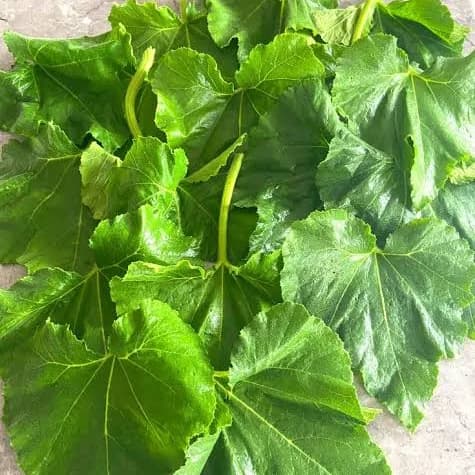
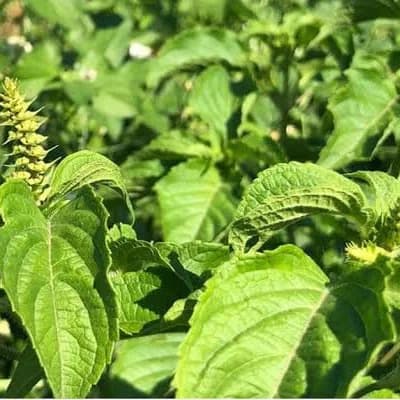
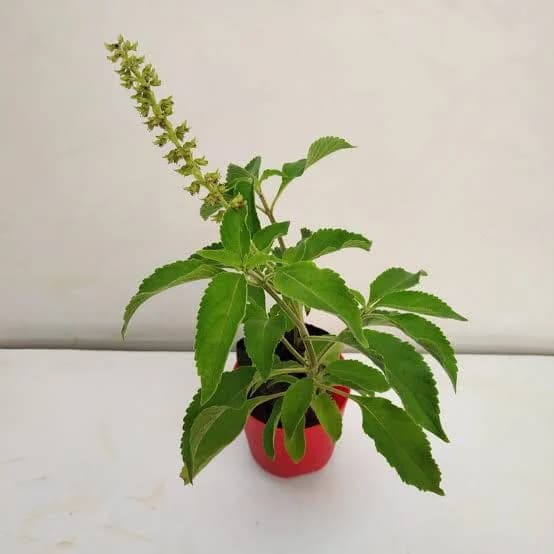
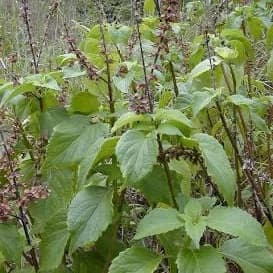
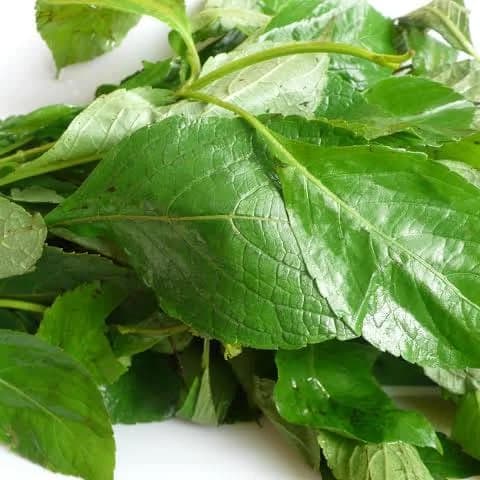
Scent leaf is truly one of the most loved herbs in Nigeria. Walking past a fresh bush of it, the sweet, peppery, clove-like aroma is completely unmistakable.
The Origin of Scent Leaf
Scent leaf (Ocimum gratissimum) is a tropical plant species belonging to the Lamiaceae family, which makes it a close relative of culinary basil, mint, and oregano.
Native Roots: It is native to tropical Africa (extending down to West, East, and Southern Africa) and parts of Southern Asia (like India).
Health Benefits
Modern science has begun to validate what African traditional medicine has known for centuries. The health benefits of scent leaf are largely driven by its potent essential oils (eugenol, thymol, and citral) and rich flavonoid content.
1.Digestive Savior: Scent leaf is incredibly effective at settling the stomach. It relieves bloating, eases indigestion, and suppresses stomach cramps.
2.Potent Antimicrobial: The essential oils in the leaf act as natural defense agents. They inhibit the growth of harmful foodborne bacteria (like E. coli and Salmonella) and fungi.
3. Respiratory Relief: Drinking scent leaf tea or inhaling its steam acts as an expectorant, helping to loosen mucus and clear up coughs, colds, and congested airways.
4. Oral Health Booster: Chewing raw, clean scent leaves is a traditional cure for bad breath and tooth decay, thanks to its ability to kill oral bacteria.
5. Blood Sugar Regulation: Emerging studies show that aqueous extracts of Ocimum gratissimum can assist in lowering blood sugar levels, helping to manage type-2 diabetes.
How to Use Scent Leaf
Depending on what you want to achieve, scent leaf can be prepared in several easy ways:
1. In Culinary Dishes (Daily Health & Flavor)
This is the easiest way to enjoy its benefits. Chop fresh scent leaves and add them to your cooking during the last 2 to 3 minutes to preserve their volatile oils.
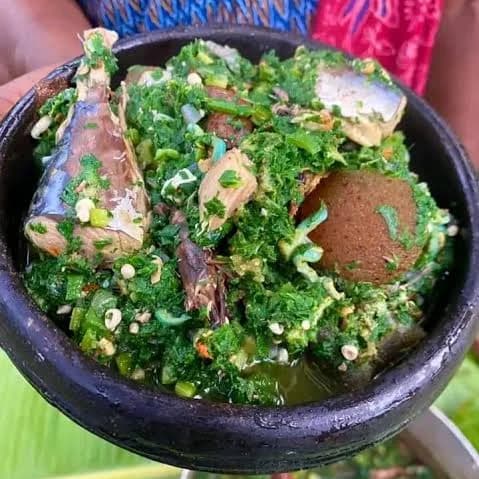
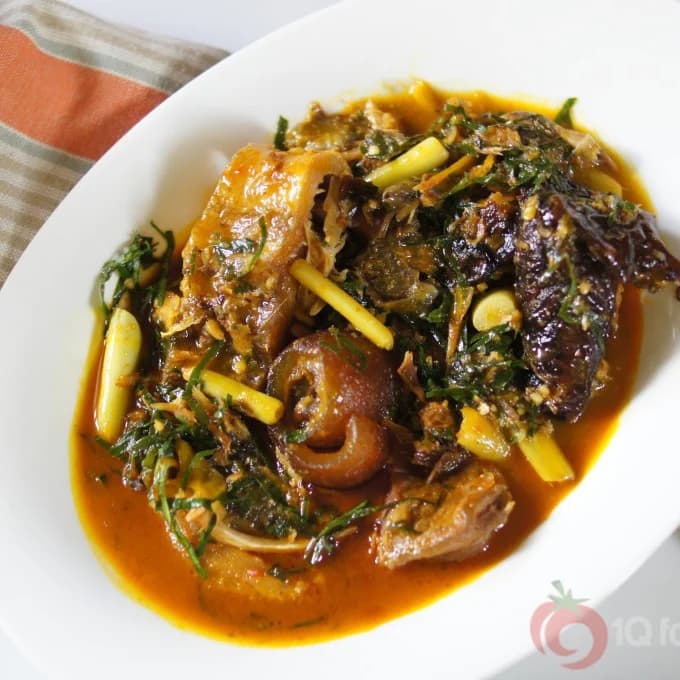
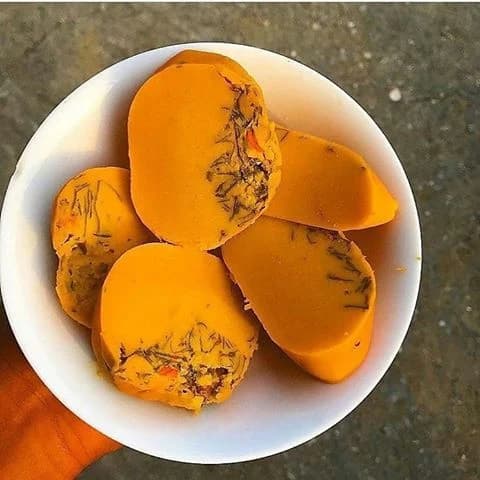
Best dishes: Nigerian Pepper Soup, Yam Porridge, Egusi Soup, or Black Soup (Ofe Achara).
2. Scent Leaf Tea / Decoction (For Indigestion, Colds, or Detox)
* Thoroughly wash a handful of fresh scent leaves.
* Boil them in 2 cups of clean water for 5 to 10 minutes.
* Strain the tea into a cup.
* Optional:: Let it cool slightly and add a teaspoon of honey. Drink warm.
3. Squeezed Raw Juice (For Quick Stomach Relief or Skin Issues)
* For Stomach upset: Crush or blend washed fresh leaves with a tiny splash of water, squeeze out the concentrated green juice, and drink 1 to 2 tablespoons.
* For Skin infections: Crush the leaves into a coarse paste and apply it directly to minor cuts, fungal skin rashes, or insect bites to speed up healing.
Risks and Side Effects
While scent leaf is highly beneficial and generally very safe when eaten as a herb in food, concentrated medicinal doses come with a few important warnings:
* Pregnancy Warning: Pregnant women should avoid consuming highly concentrated scent leaf tea or juices. Scent leaf contains compounds that can stimulate uterine contractions, which may risk inducing premature labor or miscarriage.
* Blood Sugar & Pressure Fluctuations: Because scent leaf naturally lowers blood sugar and blood pressure, taking massive therapeutic doses alongside prescription diabetes or hypertension medications could cause your levels to drop too low (hypoglycemia or hypotension).
* Essential Oil Toxicity:nPure essential oil extracted from scent leaves is highly concentrated. It should never be swallowed directly, as it can cause liver or kidney damage in large amounts. It must always be heavily diluted if used on the skin.
* Allergies: Like any herb in the mint family, some individuals may experience mild allergic skin reactions or stomach irritation if they are sensitive to the plant.