
Morning starts early in the factory.
Small machines hum. Nylon rolls spin. Water flows endlessly. Sachets drop into bags, fast and repetitive.
No branding lessons here. No startup pitch. Just volume.
By 7am, the first bags leave. Okada riders load quickly. Conductors shout destinations. Hawkers tie bags on shoulders with rope.
Distribution beats production.
One factory feeds dozens of streets. One broken machine affects hundreds of people before noon. When power fails, generators kick in immediately. Water does not wait.
Pure water is not convenience in Nigeria. It is infrastructure.
Offices depend on it. Schools rely on it. Bus parks move with it. Construction sites survive on it. Even homes with boreholes still buy it outside.
The margins look small. The scale is massive.
Plastic cost rises. Fuel cost rises. Transport cost rises. Price increases by five naira. People complain loudly. They still buy.
Because hydration has no substitute.
This business survives not because it is clever, but because it solves a daily problem repeatedly.
Quality control happens quietly. Bad taste spreads faster than ads. Dirty water shuts a factory faster than regulation.
This is operations discipline without corporate language.
Keep water flowing.
Keep packaging clean.
Keep distribution early.
Miss one step and trust disappears.
Pure water factories reveal a bigger truth.
Nigeria runs on invisible systems built around urgency. Things people need daily create the strongest businesses. Not because they are innovative, but because they are dependable.
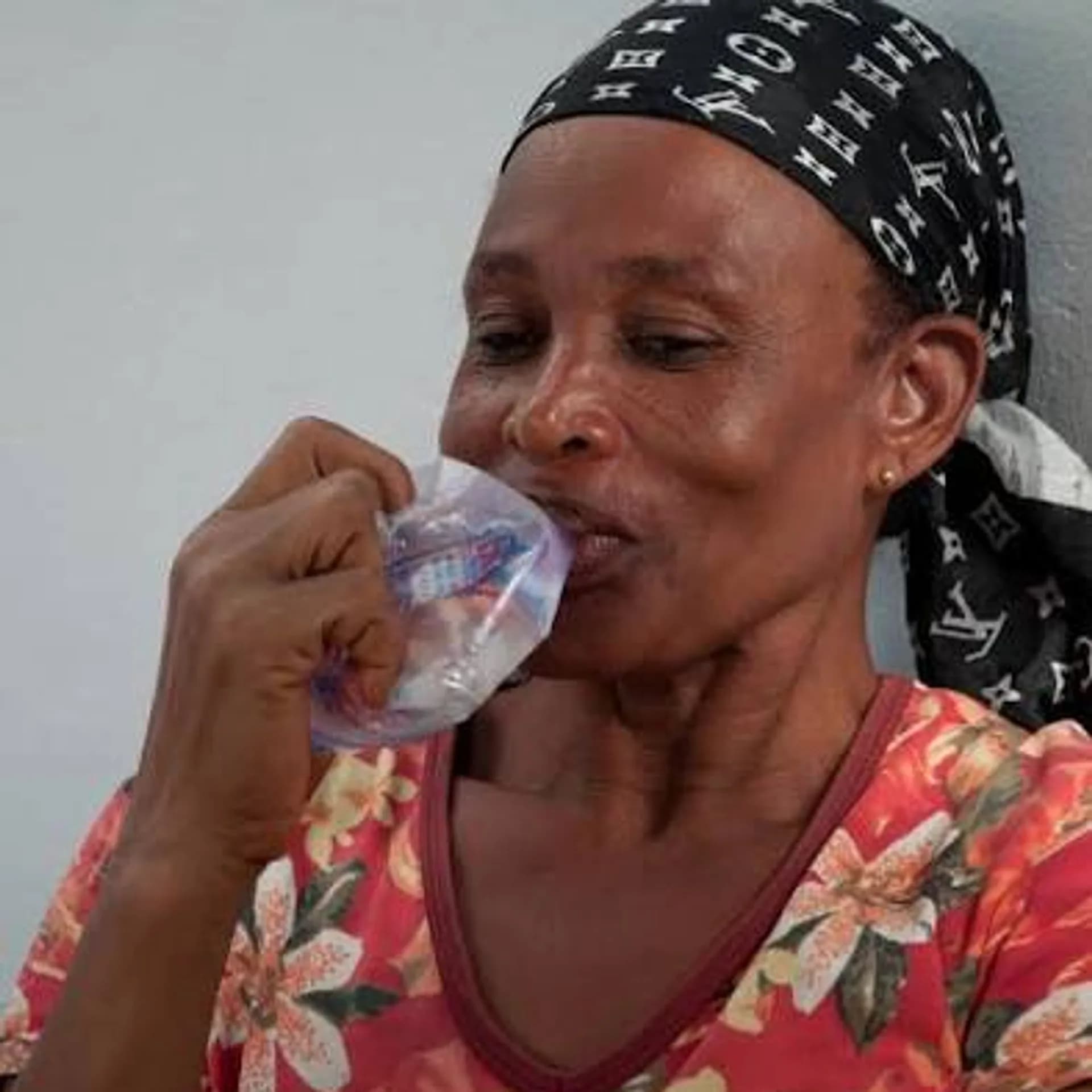
Every cold sachet handed through a bus window carries more than water.
It carries logistics, energy, trust, and survival.