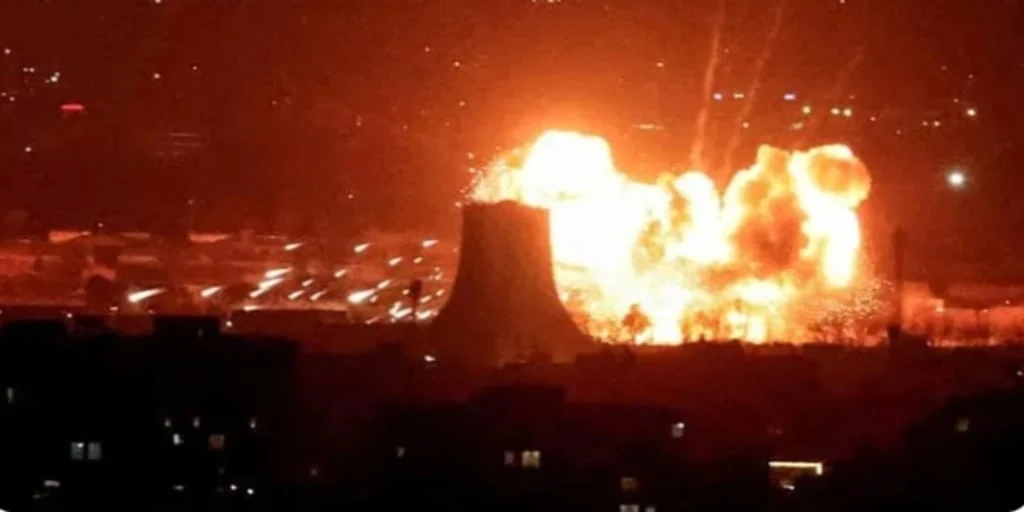
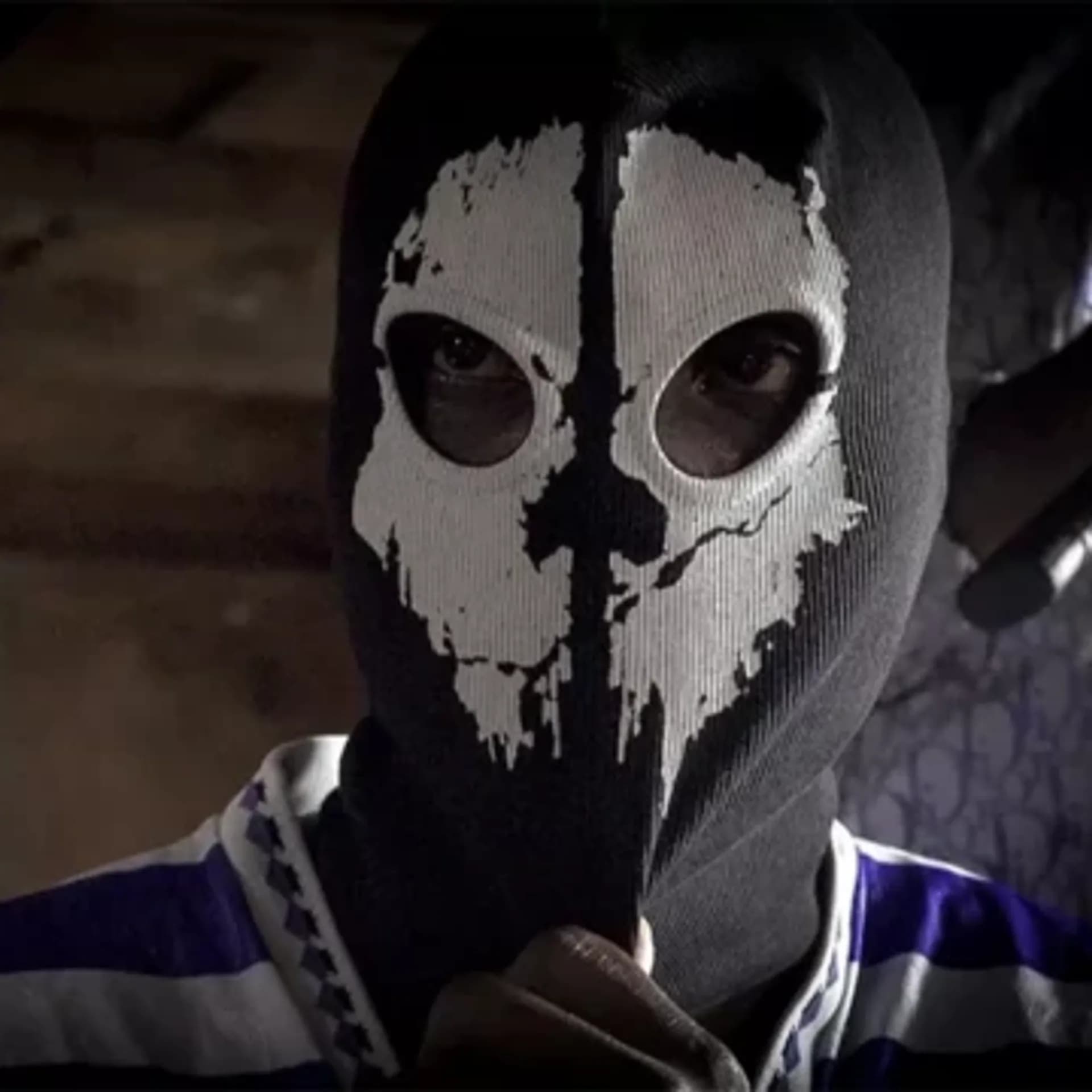
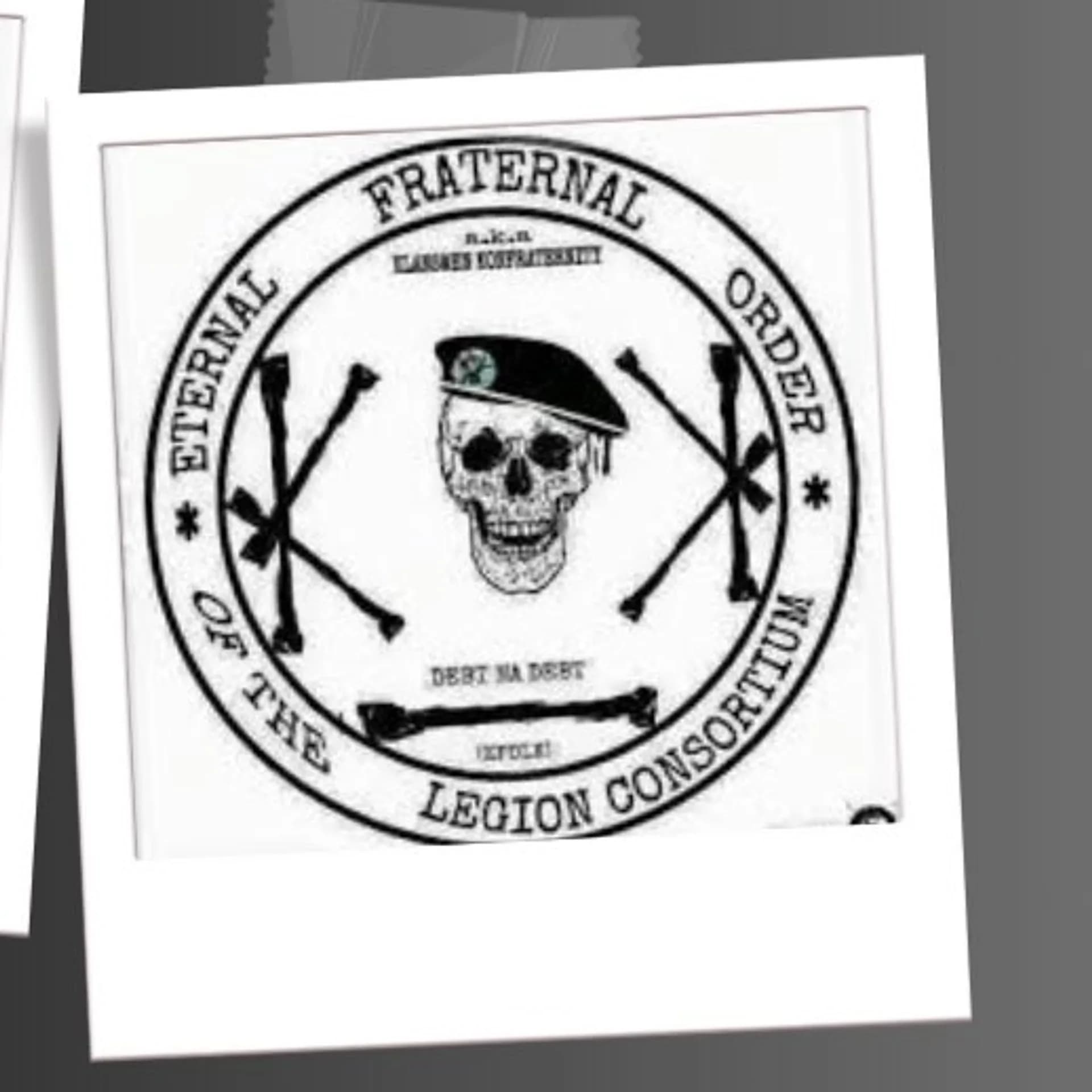
In Port Harcourt, cultism is always described one way.
Dangerous.
Criminal.
Senseless.
And yes, many times it is.
Lives have been lost.
Families have been broken.
Fear has walked freely in neighborhoods that used to sleep peacefully.
But there is another side people do not like to discuss.
Sometimes, the lines blur.
Growing up here, there were moments when threats felt real.
Not rumors.
Not gossip.
Real danger.
And strangely, the people who stepped in were not the ones in uniform.
They were the ones everyone publicly condemns.
The same city also has stories like this.
My brother once got robbed in broad daylight.
The thieves were still there when a police vehicle passed.
The officers slowed down.
Greeted them.
Drove on.
No arrest.
No intervention.
Just acknowledgment.
In moments like that, something shifts inside a young person.
If the police are meant to protect, why do they look familiar with the people causing harm.
If cult boys are criminals, why are they sometimes the ones responding faster than the system.
This is not praise.
It is confusion.
Port Harcourt has neighborhoods where unofficial power operates more consistently than official authority.
Protection becomes transactional.
Loyalty becomes local.
Safety depends on who knows your face.
When institutions weaken, alternatives grow.
That does not make them right.
It makes them present.
The tragedy is not just that cultism exists.
The tragedy is that in some parts of this city,
young people quietly believe it is more reliable than the state.
And once that belief settles in,
the roles are already reversed.
What does it say about a city when fear and protection start wearing the wrong uniforms?