
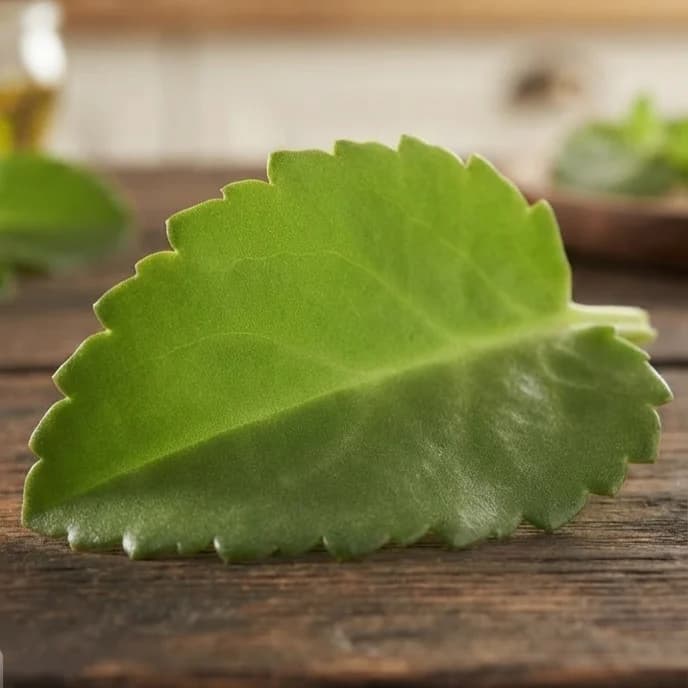
Patharchatta (scientifically known as Bryophyllum pinnatum or Kalanchoe pinnata) is a resilient succulent perennial plant native to Madagascar, but now widely grown in tropical and subtropical regions across Asia, Africa, and the Americas.
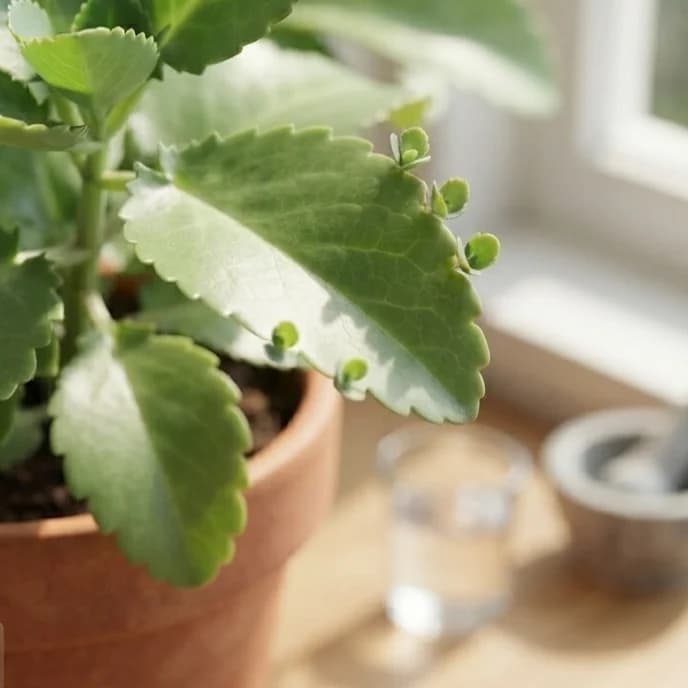
Commonly referred to as the Miracle Leaf, Goethe Plant, or Life Plant, it gets its unique reputation from its incredible ability to propagate: new plantlets can sprout directly from the margins of its leaves even after they have been detached from the stem.
In traditional medicine systems like Ayurveda and various African ethnomedicinal practices, Patharchatta has been revered for centuries as a natural remedy for a wide array of ailments.
Key Health Benefits
1. Dissolution of Kidney and Gallbladder Stones
Perhaps its most famous traditional use, Patharchatta is widely utilized to help manage and break down kidney and urinary tract stones.
How it works: The plant possesses significant diuretic properties and contains specific phytochemicals (like flavonoids and alkaloids) that help reduce the crystallization of minerals in the urine, making it easier to flush out small stones.
2. Powerful Anti-Inflammatory and Analgesic Properties
Patharchatta extracts are frequently applied both topically and consumed orally to reduce swelling and alleviate pain.
Wound Healing: Crushed leaves can be applied as a poultice to minor wounds, burns, boils, and insect bites. It accelerates tissue repair and prevents localized infections.
Arthritis & Joint Pain: Due to its anti-inflammatory compounds, applying warmed leaves or extracting the juice can help soothe aching joints and muscles.
3. Management of High Blood Pressure (Hypertension)
Studies suggest that aqueous extracts of Bryophyllum pinnatum have a positive impact on cardiovascular health. It exerts a hypotensive effect, helping to relax blood vessels and lower elevated blood pressure levels when used consistently under proper guidance.
4. Gastrointestinal and Anti-Ulcer Support
Patharchatta is highly beneficial for the digestive system. It has been shown to protect the gastric mucosa (the stomach lining) against ulcers caused by stress or excess acid production. It is also used traditionally to treat acute diarrhea, dysentery, and general abdominal discomfort.
5. Antimicrobial and Antifungal Activity
The leaves are rich in bioactive compounds that exhibit strong antimicrobial action against various bacterial and fungal strains. This makes it an effective traditional remedy for respiratory tract infections, coughs, and skin infections.
6. Blood Sugar Regulation
Emerging research indicates that the plant possesses antidiabetic properties. Regular, controlled consumption of the leaf extract may help stabilize blood glucose levels by improving insulin sensitivity.
Traditional Ways to Use It
Fresh Juice: 1–2 fresh leaves are thoroughly washed, crushed, and squeezed to extract the juice (usually about 5–10 ml), which is often consumed on an empty stomach in the morning for kidney stones.
Warm Leaf Poultice: For external pain, swelling, or boils, a whole leaf is gently warmed over a flame, crushed slightly to release its juices, and tied over the affected area.
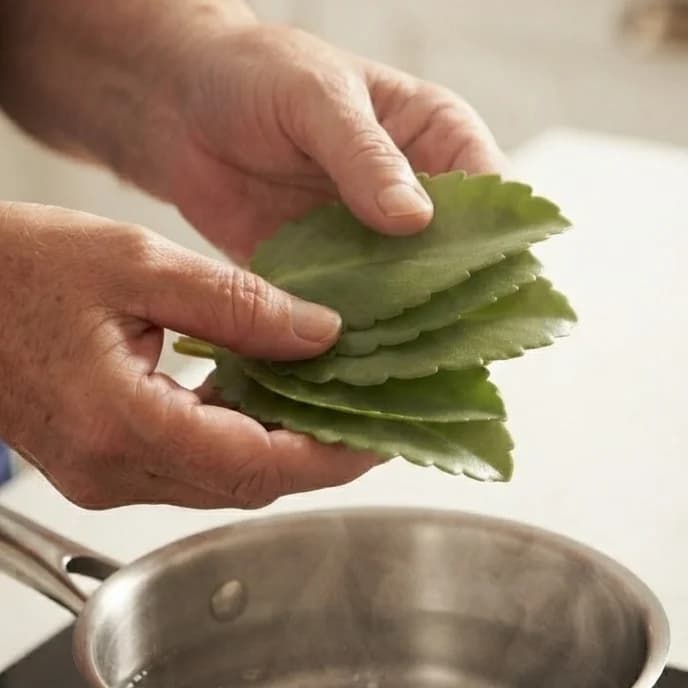
Herbal Tea: Dried or fresh leaves can be decocted in boiling water to create a soothing tea aimed at relieving respiratory issues or hypertension.
⚠️ Important Safety Note: While Patharchatta offers numerous health benefits, it contains cardiac glycosides (bufadienolides), which can be toxic in excessively high doses—particularly to livestock and potentially humans with underlying heart conditions. Always consult a healthcare professional before integrating it into your daily medical regimen.