Nollywood today is bigger, flashier than ever and I love that.
Streaming platforms are everywhere, budgets are higher, and special effects can now make a scene look cinematic, but if we’re being completely honest, old Nollywood movies had more soul, more story, and far more staying power than many of today’s releases.
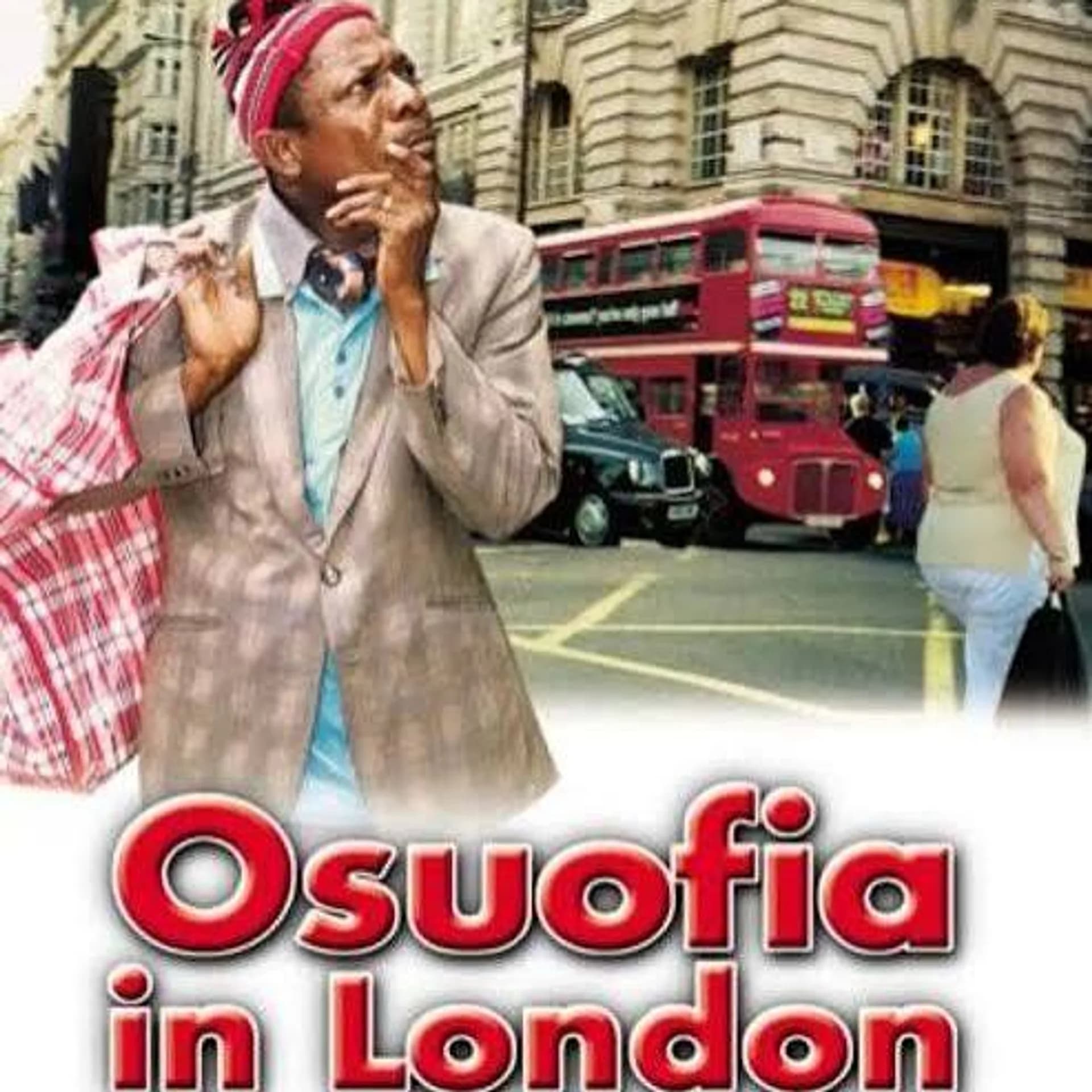
Back in the 90s and early 2000s, films like Living in Bondage, Rattlesnake, or Osuofia in London weren’t just entertainment. They were stories with layers, moral tension, and real Nigerian context.
Characters weren’t perfect; they had depth, struggles, and flaws you could relate to. You remembered the actors’ performances because they made you feel something — fear, guilt, hope.
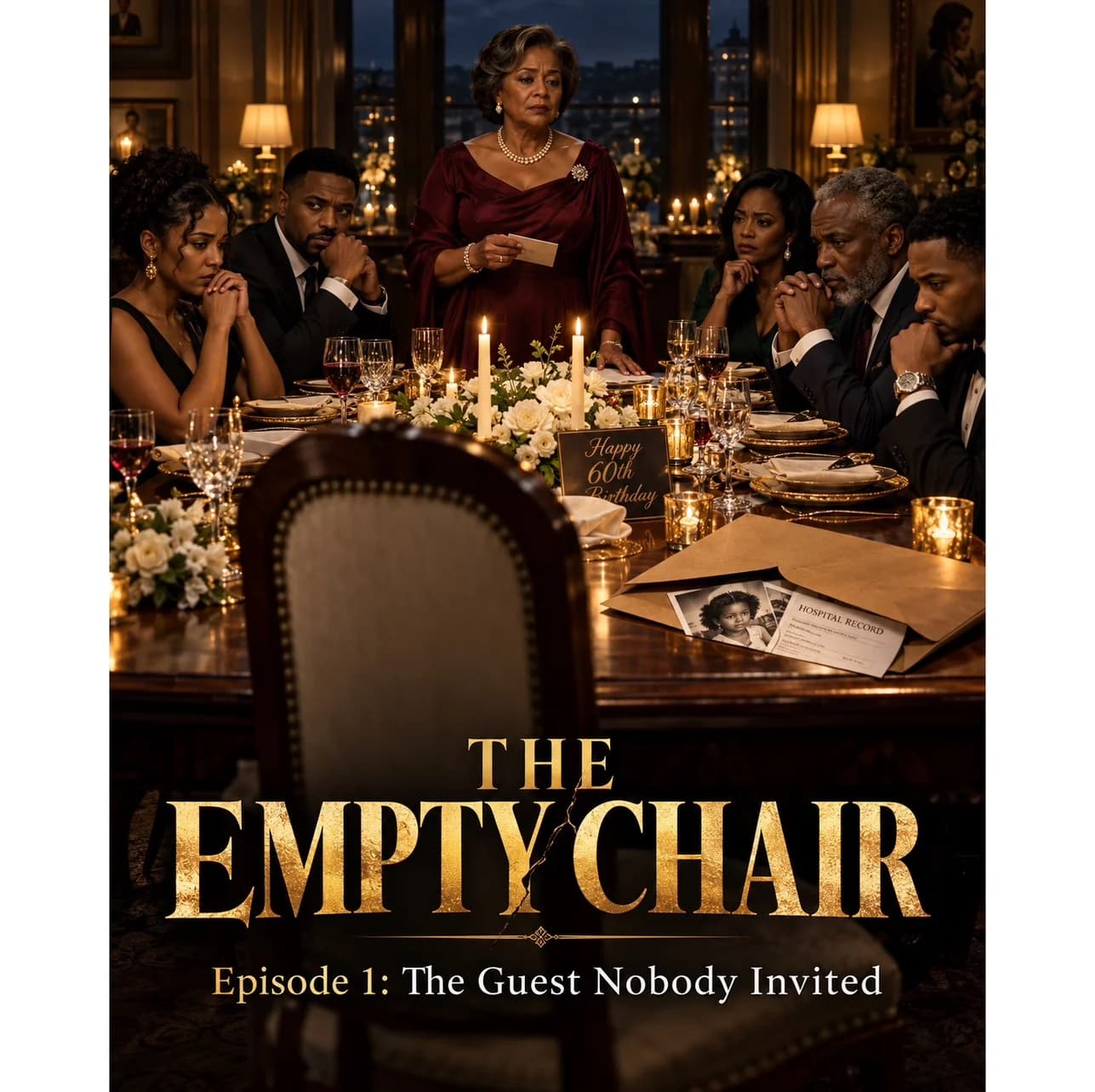
Fast forward to 2026, and yes, some modern films are technically impressive. But ask yourself: how many of them actually stick with you after a month? How many make you question society, morality, or your own choices? Too many new Nollywood releases prioritize flashy costumes, social media buzz, and quick laughs over storytelling depth.
Some people will argue that Nollywood is making progress and is getting modernized, but modernization doesn’t automatically equal better storytelling. There’s a difference between spectacle and substance. And right now, the balance has tilted too far toward spectacle.
Old Nollywood might have had lower budgets, poorer lighting, and cheesy special effects, but it had heart, purpose, and cultural resonance that some of today’s films are missing.
So, here’s my challenge to you: next time you watch a new Nollywood movie, ask yourself, “does it make you think, feel, or question, or is it just a 90-minute scroll-stopper?