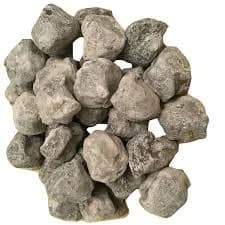
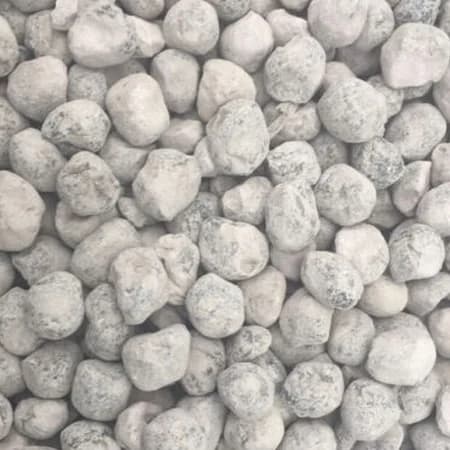
Nzu is a traditional white chalk that holds deep cultural and spiritual importance in Igbo society. Among the Igbo people, nzu is more than just a substance; it symbolizes purity, peace, and respect. It is commonly seen during traditional ceremonies, greetings, and spiritual practices.
One of the main uses of nzu in Igbo land is during traditional greetings and rituals. When elders meet or when visitors are welcomed in a traditional setting, nzu may be presented as a sign of goodwill and peace. Breaking and sharing the nzu symbolize honesty, unity, and acceptance among the people.
Nzu is also shared when a woman gives birth in Igbo land. As a visitor coming to see the new baby, you can bring it as a gift, and when you come, the first thing that will be offered to you is also Nzu. Children like it a lot and like visiting a new baby, always just to have more nzu.
Honestly, it made me think that is how it is done everywhere until I came to Lagos and saw it was different. Some people in Lagos don’t even know what Nzu is.
Nzu is also used during traditional marriage ceremonies, known as Igba Nkwu. During this ceremony, nzu can be used to bless the couple and their families. It represents purity and good intentions for the new union.
Another important use of nzu is in spiritual and cultural practices. Traditional priests and elders may use it during prayers, libations, and rituals to invoke blessings or communicate with the ancestors. In some cases, it is rubbed on the body or placed on the tongue as a symbol of truth and sincerity.
Nzu also has medicinal and personal uses. Some people in Igbo communities chew small amounts of nzu, especially pregnant women who may crave it. However, this practice is usually discouraged medically because excessive consumption may have health risks.
Beyond rituals, nzu is also used in traditional body decoration. It can be applied to the face or body during cultural festivals and traditional events to symbolize beauty, purity, and cultural identity.