
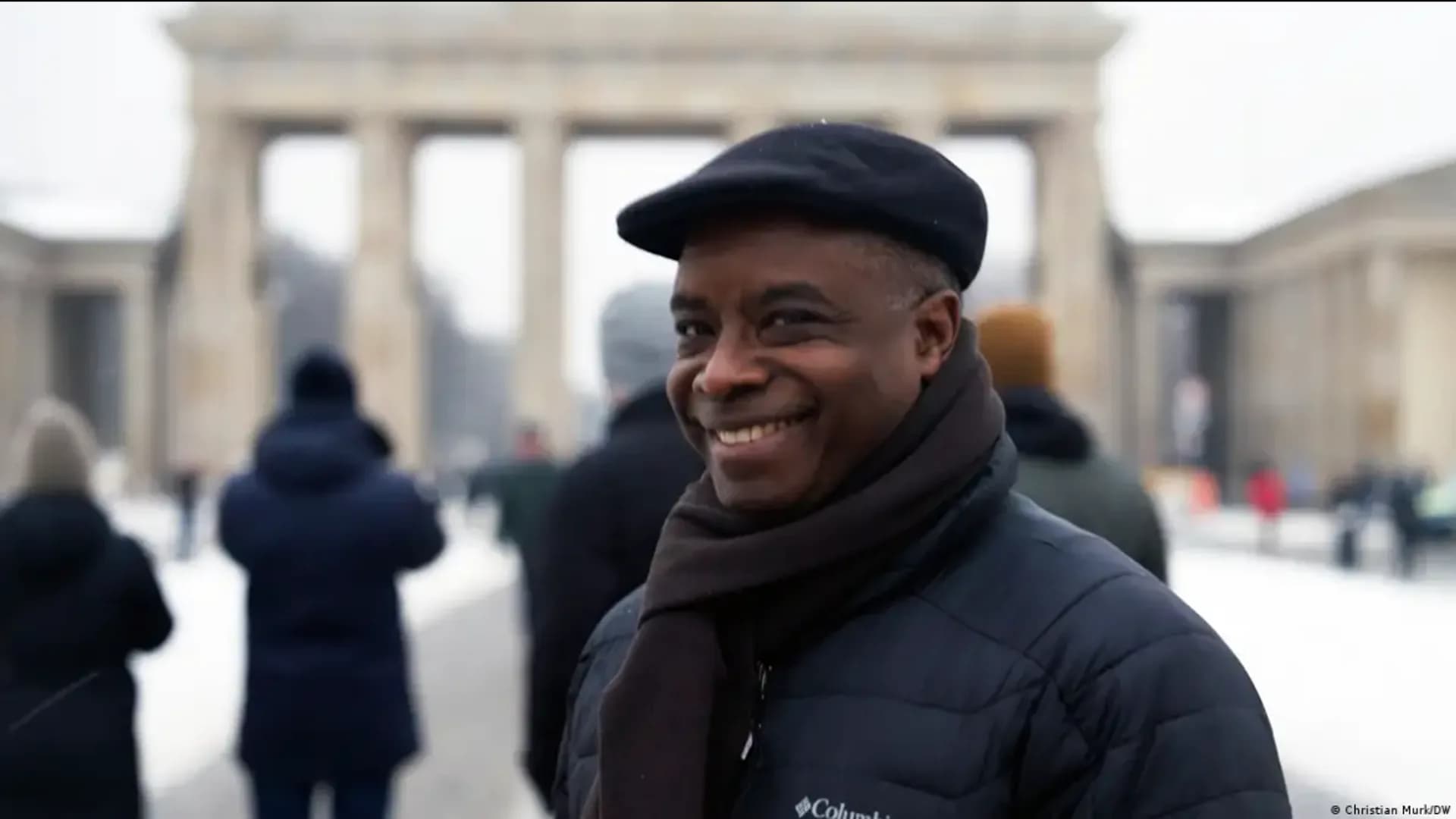

When I first arrived in Germany, finding work wasn’t just a step — it was the biggest hurdle of the move. I pictured landing a job that felt like progress, something that proved I made the right choice to leave. Instead, what I got was a lesson in humility and survival.
Back home, my CV seemed strong. Experience, achievements, confidence — all packaged with the belief that skills speak louder than context. But here? Nobody cared about what I had done before. Nobody congratulated me. Nobody knew me. I learned fast that in Germany, doors don’t open because of credentials — they open because you speak the language, understand the process, and meet the local expectations. 
For weeks, I sent out application after application. Every online form asked for a German-formatted résumé, covered boxes I didn’t know existed, and required levels of German I didn’t have yet. I applied for restaurant work, warehouse shifts, even dishwashing jobs — not because I wanted them, but because I needed something that paid. 
At first, every rejection felt like confirmation of doubt — like Germany was telling me I didn’t belong. One day I found work in a hotel kitchen: cleaning dishes, cutting onions, scrubbing floors. I was happy — finally something — but the price of that job was more than physical effort. It was the cost of pride. 
I had come expecting opportunity. What I got was reality.
The manager expected me to work without proper paperwork at first — a red flag I refused. I was offered no contract, no tax registration, nothing. I walked away. That job didn’t respect me, and reluctantly, I chose dignity over desperation. That moment hurt more than any rejection letter. 
But something interesting happened next.
I changed how I applied. My CV went from English to German format. I stopped assuming recruiters would “figure me out,” and learned their rules. I built small wins — responding quickly, following up politely, learning a bit of German before every interview. And eventually, I landed a real opportunity: a part-time role doing production work with proper registration and fair pay. That was the first time I earned my own Euros — legitimately, officially, and fairly. 
That job wasn’t glamorous — far from it — but it ended something bigger than financial struggle: it ended self-doubt. It proved:
• Talent isn’t enough; you must communicate in the local language. 
• Procedure matters as much as skill. 
• Humility can be the first step to confidence. 
My first job in Germany didn’t prove I belonged.
It earned that sense of belonging.
And the person who showed up for those early shifts?
He was building not a career yet —
but a foundation.
A stronger, humbler one.