


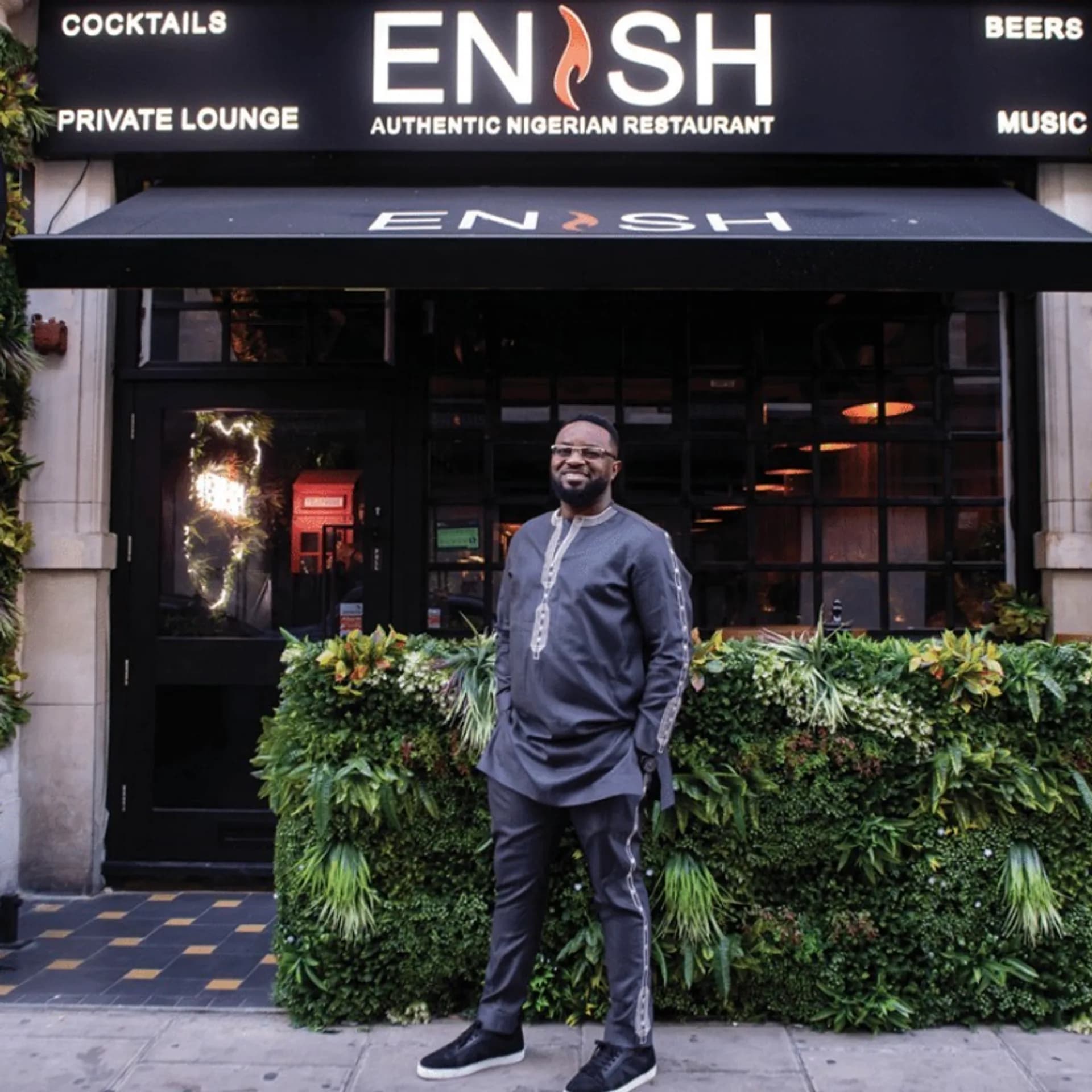
Walk through Peckham in London, Brooklyn in New York, or Barajas near Madrid, and you’ll find Nigerian food. Jollof rice. Suya. Egusi. Puff-puff.
Yet for all our presence, Nigerian food businesses abroad rarely win in the way Chinese, Indian, Thai, Mexican, or even Ethiopian restaurants do.
They survive. They hustle. They plateau.
Very few scale. Fewer become mainstream. Almost none become global brands.
This is not because Nigerian food is inferior. It’s because of how we operate the business of food, not the food itself.
Let’s break it down.
⸻
1. We Cook for Nigerians, Not for the Market
Most Nigerian restaurants abroad are emotionally designed.
They exist to:
• Cure homesickness
• Feed Nigerians who miss “home food”
• Serve large portions that feel “worth the money”
That works for survival — not growth.
Other cuisines do something different:
• Chinese food adapts regionally
• Indian food simplifies flavors for wider palates
• Thai food standardizes taste globally
Nigerian restaurants often refuse to adapt:
• Menus are overwhelming
• Spice levels are unforgiving
• Presentation is secondary to portion size
The result:
Non-Nigerians try it once. Nigerians come back. Growth stops.
⸻
2. No Standardization = No Scale
Ask ten Nigerian restaurants how they make egusi.
You’ll get ten answers — all “correct.”
That flexibility is beautiful culturally, but disastrous commercially.
Winning cuisines have:
• Standard recipes
• Consistent taste
• Predictable experience
This is why:
• A McDonald’s burger tastes the same everywhere
• A Chinese takeout feels familiar in any city
Most Nigerian food businesses are person-dependent, not system-dependent.
If the cook leaves, the brand collapses.
No systems = no replication = no chains.
⸻
3. We Underinvest in Ambience and Overinvest in Food Quantity
Walk into many Nigerian restaurants abroad:
• Harsh lighting
• Loud TV
• Plastic chairs
• Menus taped to the wall
• No story, no identity
Compare that with:
• Korean BBQ
• Ethiopian communal dining
• Japanese minimalism
People don’t just eat food.
They buy experience, status, and a story.
Nigerian restaurants often feel like:
“Come and eat, don’t ask questions.”
That limits who feels comfortable walking in.
⸻
4. Branding Is Treated as Vanity, Not Infrastructure
Names like:
• Mama Nkechi Kitchen
• Aunty Funke Foods
• Naija Spot
These are culturally warm — but commercially weak.
Winning food brands:
• Have pronounceable names
• Have clear visual identity
• Can be explained in one sentence
Branding isn’t about logos.
It’s about removability from the founder.
Most Nigerian food businesses abroad are inseparable from the owner.
That makes them emotional assets, not scalable companies.
⸻
5. We Don’t Productize Nigerian Food
Look at what others export:
• Japanese → ramen kits, sauces, snacks
• Korean → gochujang, kimchi, instant noodles
• Indian → spice blends, ready meals
Nigerian food abroad is mostly:
• Dine-in
• Large plates
• Low margin
• High labour
Very few Nigerian brands abroad:
• Sell packaged sauces properly
• Enter supermarkets at scale
• Design fast-casual or grab-and-go formats
We sell meals.
Others sell systems + products + distribution.
⸻
6. Community Mindset Instead of Market Mindset
Many Nigerian food businesses abroad rely on:
• WhatsApp groups
• Church announcements
• Nigerian Facebook pages
That keeps the business trapped inside the diaspora bubble.
Winning cuisines aggressively:
• Partner with delivery platforms
• Invest in reviews
• Work with food bloggers
• Optimize Google Maps and TikTok
Visibility is engineered.
Ours is accidental.
⸻
The Hard Truth
Nigerian restaurants abroad are not failing because:
• Nigerians are bad entrepreneurs
• The food is too complex
• The market is hostile
They’re failing because:
• We romanticize authenticity over accessibility
• We resist standardization
• We confuse hustle with strategy
• We build businesses that cannot outlive us
⸻
What Winning Would Actually Look Like
To win, Nigerian food abroad must:
• Simplify menus aggressively
• Design for non-Nigerians without apology
• Build systems before expansion
• Invest in ambience and storytelling
• Productize sauces, snacks, and formats
• Think chains, not single locations
Until then, Nigerian food abroad will remain:
Loved by Nigerians
Respected by a few
Invisible to the mainstream
Presence is not dominance.
Food travels easily. Systems don’t — unless you build them.