On paper, there are signs of economic growth.
But ask the average Nigerian about their wallet…
Food is expensive. 🍚
Transport is expensive.🚌
Rent is expensive. 🏠
Fuel is expensive. ⛽
Electricity and data cost money.💡📱
And even when inflation slows, it doesn't mean prices automatically return to what they were before.
That's the part many people feel every day:
Your income may increase, but if your expenses increase faster, you still feel poorer.
So what can the average person do?
💰 Track where your money goes.
📉 Cut expenses that don't add real value.
🛠️ Build valuable skills.
💼 Look for additional income where possible.
💵 Build an emergency fund, even if it's small.
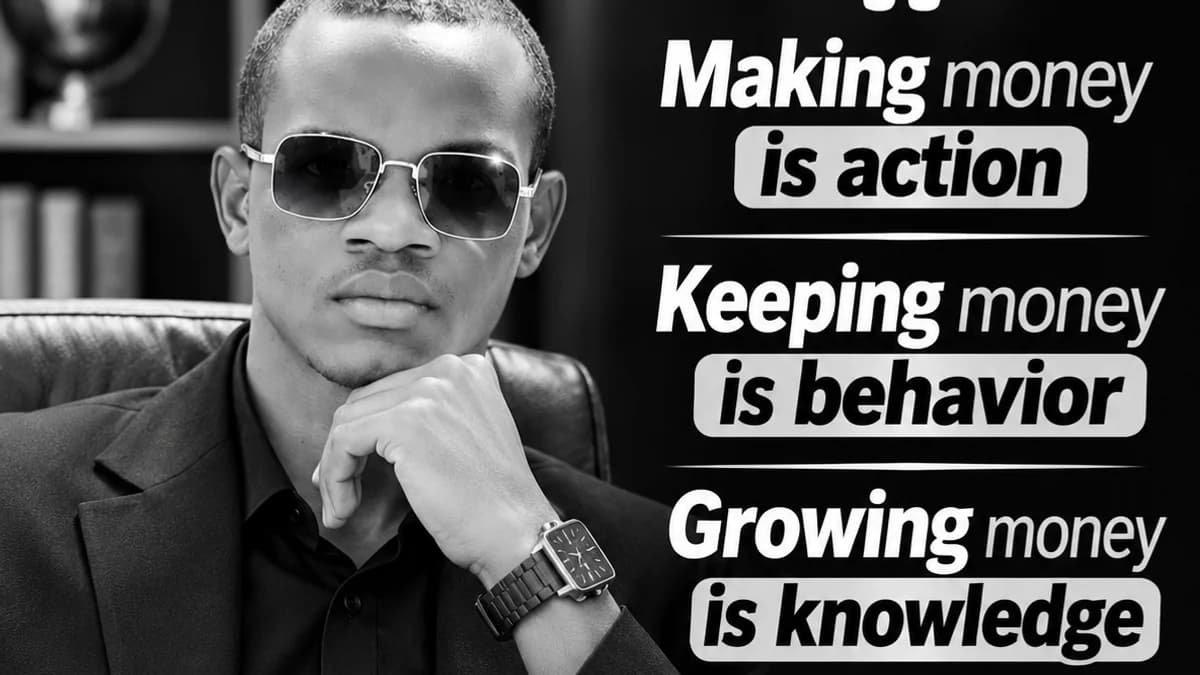
📚 Keep improving your financial knowledge.
But this isn't just about individual survival.
A healthy economy should eventually mean better purchasing power, productive jobs, affordable essentials and improved living standards.
🇳🇬 Nigeria is growing—but the real question is:
Can ordinary Nigerians actually FEEL that growth in their pockets?
👇Be honest: Is your financial situation better, worse, or about the same compared with 2 years ago?
Tell us your STATE + what has changed most for you.