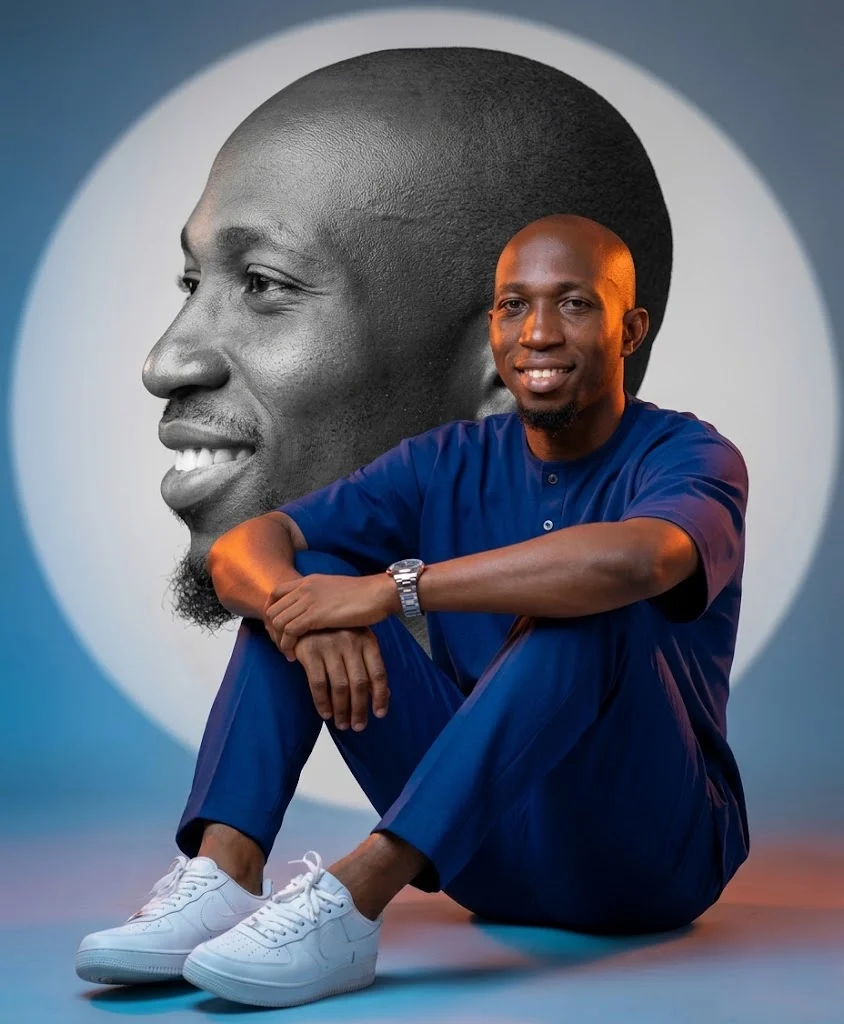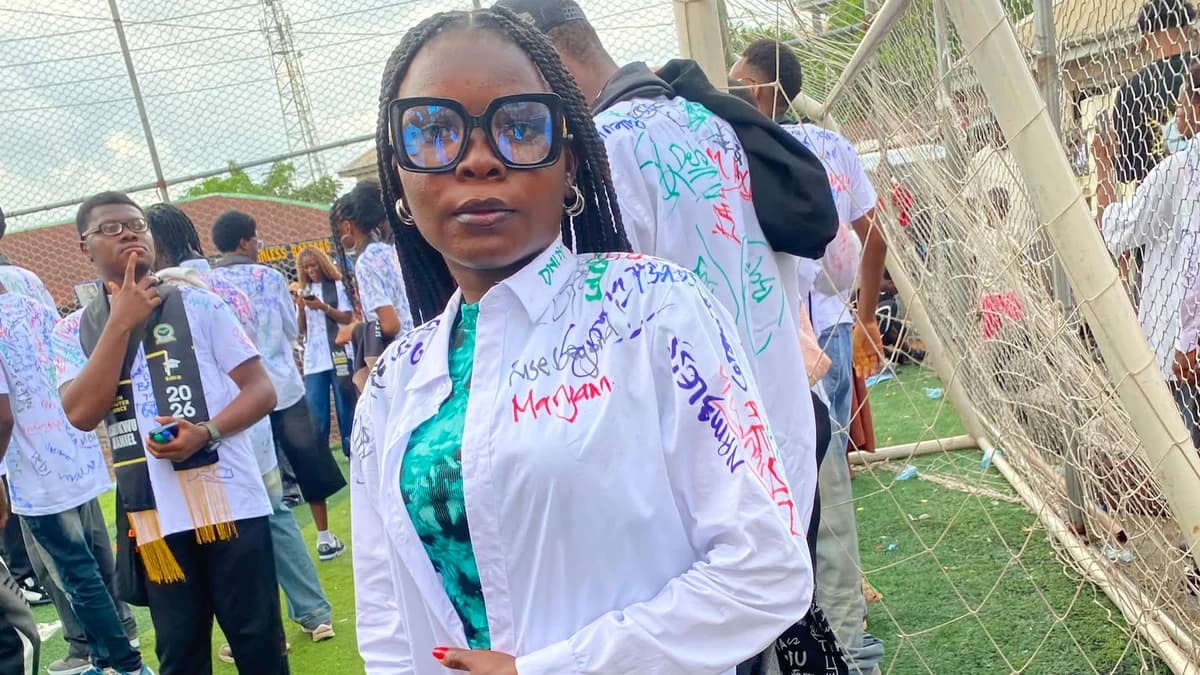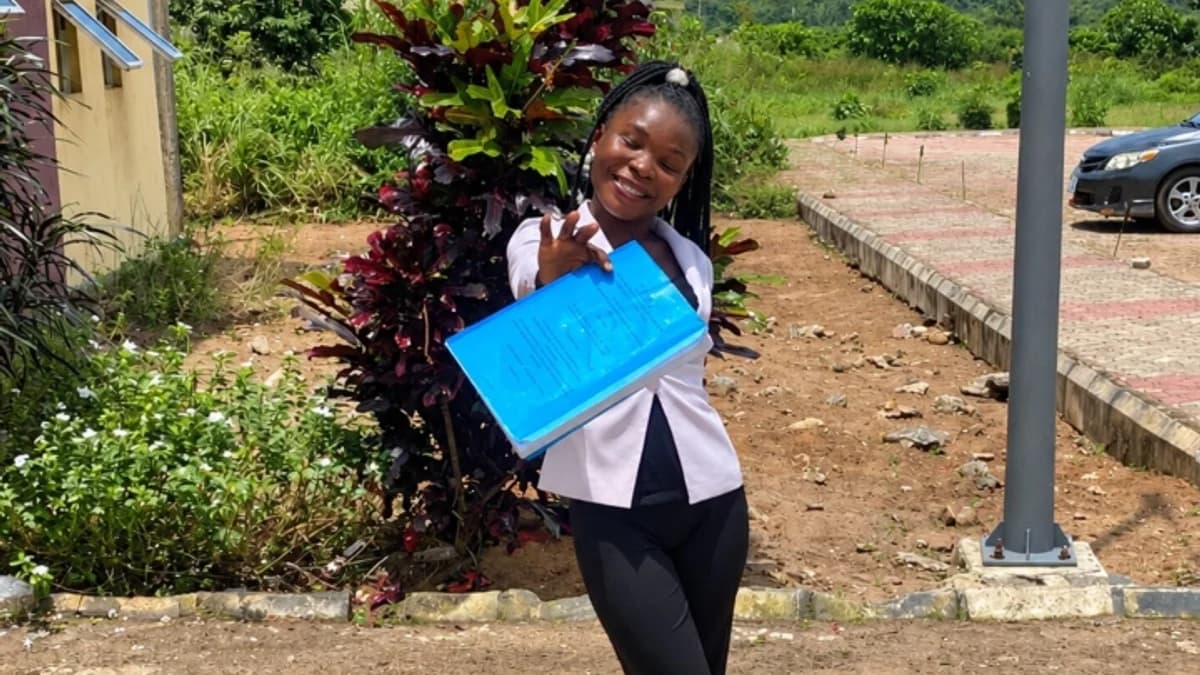
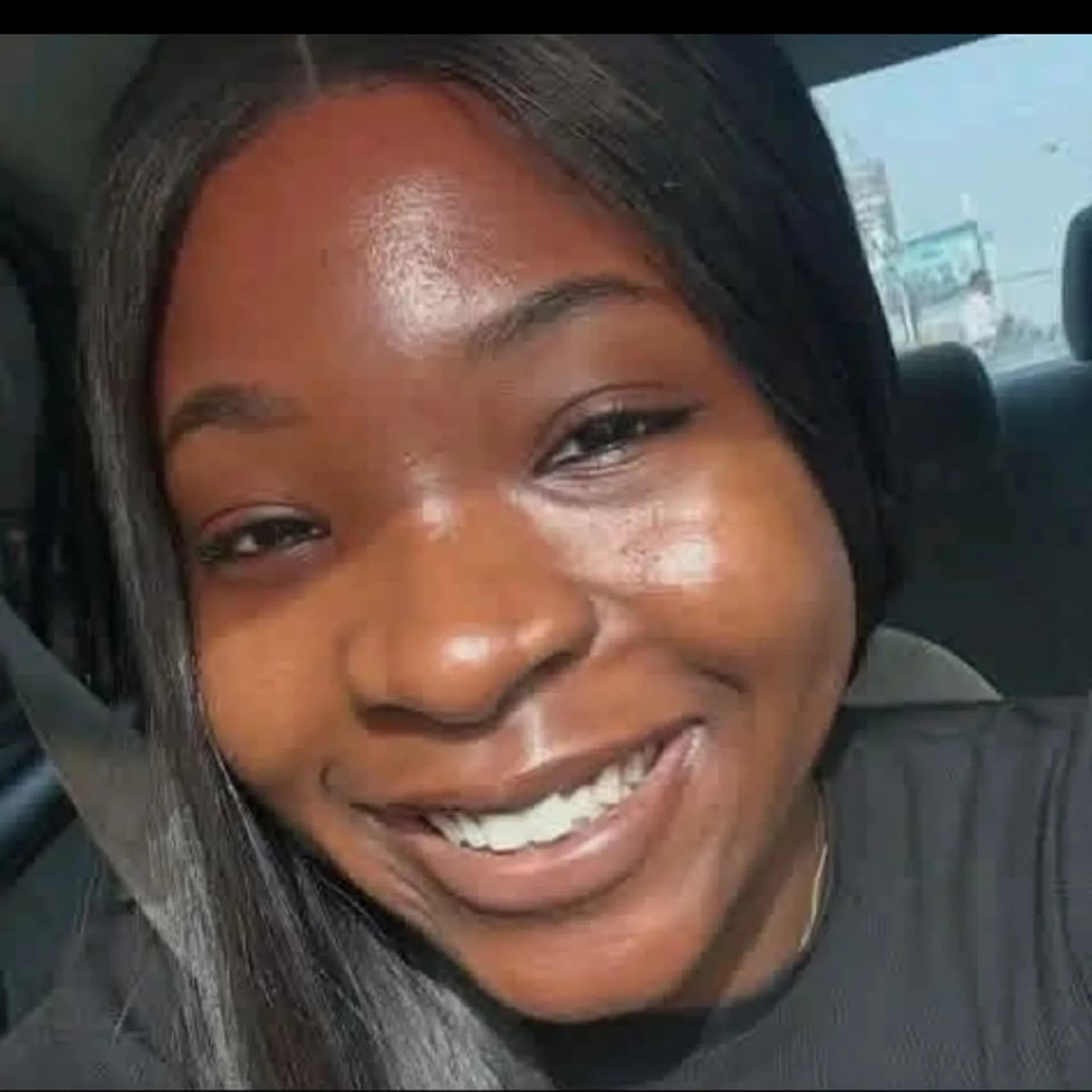
Iffunaya was described as a rising sensation, a beautiful 25 year old with an angelic and soothing voice. She rose to prominence after her appearing on THE VOICE Nigeria. She made waves on the social media space with her melodious covers of songs and graceful and personality. Close friends described her as a damsel, a blossoming spirit with an enchanting smile. However, little did she know that an event on a Friday night would cut short her dreams, forever.
Iffunaya Nwagene died on the 31st of January 2026 following a snake bite in her apartment. Reports reveal that she had taken herself to a nearby clinic for treatment that night but was unable to, as the hospital claimed they had no anti-venom, a necessary antidote for snake bites. With the pain on her, she trudged on to a hospital. There she was told that only one of the required antivenom was available and not the other. As time progressed, her condition deteriorated and by the time she properly attended to, she was well on her way to death. A few hours later after a futile attempt to stabilize her, she died.
Whilst the hospital in question claims an inconsistency in reports that their medical staff “provided adequate treatment, including resuscitation and efforts, intravenous fluids and intranasal oxygen” their claims can be perfectly described as ‘medicine after death.’
Deaths like these raise serious questions about the state of healthcare in Nigeria. In a typically humid and tropical country like ours you would imagine or expect that reptile bites would be common. But what does it reveal when a country’s medical institution is unable to provide even an over the counter (OTC) retroviral for a dying patient. It is even more of a shock that since most snake bites occur in rural areas, even the upmarket part of the country’s capital is not spared, not from the snake bites, but from medical negligence is common to every part of the country.
When Nigerians say “Nigeria happened to me” it is not insinuating that horrible things to do not happen to Nigerians, but that Nigeria is the reason why it is horrible, and might remain so. It reveals how the lay Nigerian is likely to be the next victim of a very correctable flaw in Nigeria’s systems. Would Iffunaya have survived if there was a an anti venom at the pharmacy? Would Iffunaya have survived if there was the complete antidote in the hospital? Would Iffunaya have survived if the snakes in her apartment were discovered earlier? Did the house caretaker not do routine checks as expected? How does one live amongst snakes in where should be her safest space? Why were the antidotes not complete? And why could they not be easily completed?
Anti-venoms require 24/hr storage in a refrigerator. In a country where the national grid collapses like an epileptic and solar panels cost an arm and a leg, even an entire medical centre owned by the Federal Government is unable to provide alternatives. So no electricity to store said Anti-venoms
even if they were available. Again, questions. The trillions of Naira allocated to the healthcare then goes into what? If a simple anti venom cannot be found in a pharmacy.
This is just in relation to health care. How about education, finance, security, electricity, housing, infrastructure? Nigeria happens to them. Right?
As we mourn the death of another Nigerian that her country swallowed, let us bear in mind the cost of our silence, the cost of our apathy.
#Nigeria #snakebites #Aware #Nigeriancitizen