If you want to understand “unseen builders,” look at the entrepreneurs who fight problems that people normalize. In many African homes, smoke is normalized. Burns are normalized. Fuel scarcity is normalized. Time spent sourcing fuel is normalized. Respiratory illness is normalized. When a problem is normalized, it becomes invisible — and that’s exactly where builders operate.
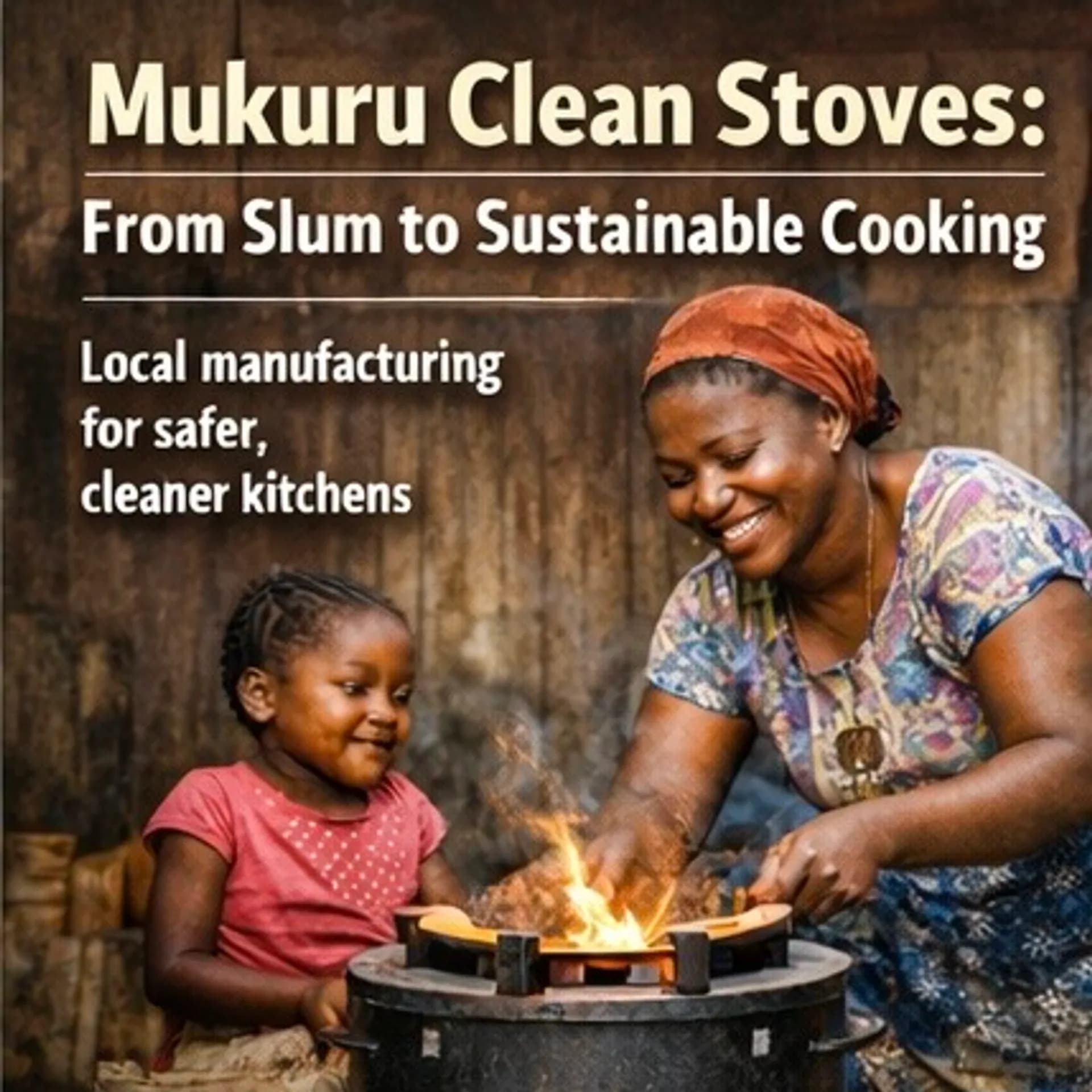
Charlot Magayi founded Mukuru Clean Stoves to reduce household air pollution and fuel costs, driven by lived experience and the realities of cooking in informal settlements.  The popular version of the story focuses on awards and inspiration. The deeper version is a business story about manufacturing, affordability, and distribution in a market where “good intentions” don’t scale without cost engineering.
The core insight: adoption depends on price and trust, not awareness
Clean cooking has had decades of NGO projects. Many struggled because they treated the challenge as awareness: “teach people clean cooking is better.” But families already know smoke is bad. The real question is: can they afford the alternative, and do they trust it?
Mukuru’s approach emphasizes local manufacturing and cost reduction, which matters because affordability is the difference between “pilot project” and “category shift.” 
Why manufacturing is a power move
In many startup narratives, manufacturing is treated as heavy, unsexy, and slow. But in African contexts, manufacturing can be the moat because it controls:
• cost,
• supply reliability,
• quality,
• iteration speed,
• local employment.
If you import clean stoves, currency swings can break your pricing. If you manufacture locally, you can design around local fuel habits, local cookware, local maintenance realities, and local purchasing power.
The unseen builder part is that manufacturing is not just production; it’s learning. Every batch teaches you what breaks, what users hate, what users love, and what needs reinforcement. Software teams call this “feedback loops.” Manufacturing teams live it physically.
The distribution question: who sells stoves, really?
The hardest part isn’t making a better stove. It’s making the stove show up in the right hands, at the right moment, with the right payment plan.
Clean cooking businesses that scale usually do three things:
1. integrate with existing community trust networks,
2. use flexible payment models (installments, layaway, agent networks),
3. build after-sales support as part of credibility.
In informal settlements and rural communities, reputation travels faster than advertising. If a product fails once, the category loses trust. That’s why builders in this space obsess over durability and serviceability.
The hidden economic angle: fuel cost is the real competitor
Most people think the competitor to a clean stove is “another stove.” Often it’s not. It’s the daily cashflow pattern of charcoal, wood, kerosene, or whatever fuel is locally used.
If your stove reduces fuel consumption, you’re not selling an appliance; you’re selling a monthly savings engine. That changes how you market:
• “Pay for it with what you save”
• “Your fuel lasts longer”
• “Less smoke, less clinic bills”
This is how builders win in low-income markets: make the product finance itself through savings.