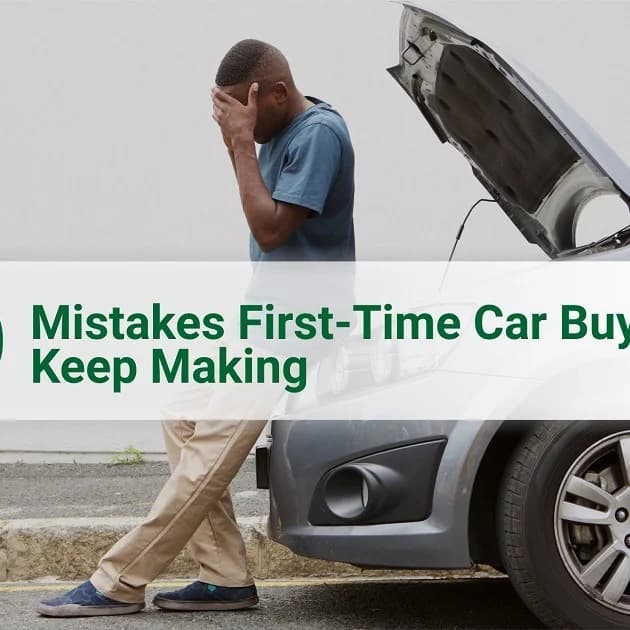
Getting your first car in Nigeria can feel like a dream come true.
Finally, you don’t have to use tight danfo buses or put up with rude Uber drivers. But let me warn you… that excitement can turn into a money pit faster than you think if you don’t know what to watch out for.
I’ve gathered this from real Nigerians who’ve been there; the ones who bought too fast, spent hundreds of thousands on repairs, or realized too late that their dream ride was actually a nightmare.
Mistake 1: Falling in Love With Looks or Status Over Reality
When I bought my first car, I remember thinking, “If my car doesn’t turn heads, it's not worth it.” That mindset traps many Nigerians, too. We focus on shiny bodies and “smart” cars without asking:
Can I afford parts and maintenance?
Is this car suited for Nigerian roads and fuel quality?
Are parts locally available and affordable?
Many flashy models look great on the outside but cost crazy money to fix, especially complex tech cars like hybrids, luxury SUVs, or certain foreign makes that have scarce parts here. Cars like the Toyota Prius struggle with battery issues and specialist repairs that most mechanics in Nigeria can’t handle, leading owners to park them and pay huge bills.
How to Avoid This?
Prioritize reliability, simplicity, and parts availability over looks.
Choose models with strong resale value and a local mechanic network (like basic Toyotas or Hondas here).
Mistake 2: Ignoring the Full Cost of Ownership
A major rookie mistake is thinking the car price is the only cost. The emotional rush of buying blinds many. What you pay for the car is just the beginning. In Nigeria, annual costs include:
Insurance: This can surprise you if you don’t buy locally
Routine maintenance: oil, tyres, filters, brakes.
Unexpected repairs: especially for used or imported vehicles.
Fuel consumption: Some engines thirst more than others.
Customs and documentation costs: especially for Tokunbo imports.
How to Avoid This?
-Budget for ongoing costs before buying.
-Get quotes for insurance and estimated service costs first.
-Ask a trusted mechanic to estimate annual maintenance before you commit.
Mistake 3: Skipping Proper Inspection and History Check
This is THE most common regret Nigerian first‑time buyers share: you pay for a car that looks clean in photos, but fails to run a month later because of issues you never checked. Whether it’s an imported “Tokunbo” car or a Nigerian‑used one, many buyers:
Believe slick dealer photos and sweet words.
Ignore the Vehicle Identification Number (VIN) check.
Skip physical inspection in daylight.
Don’t involve an experienced mechanic.
How to Avoid This?
-Always inspect the VIN history. Use trusted services to confirm accident history, mileage, flood damage, and ownership history.
-Bring a trusted mechanic to check the engine, transmission, suspension, electrical systems, and tyres.
-Inspect in full daylight, not at night or under shade.
Mistake 4: Trusting Dealers Blindly
I’ve seen friends ignore red flags because the dealer said, “Trust me.” In Nigeria, some sellers will hype you, promise perfect condition, or push higher‑priced cars. First‑time buyers especially fall for:
“Perfect condition” promises without proof.
Inflated prices with fake ‘discounts.’
Pressure tactics to make you sign quickly.
How to Avoid This?
Don’t pay without seeing the original documents and verifying them at the Customs office or FRSC.
Take your time. Don’t pay until you’ve seen everything in person.
Always compare prices from multiple sellers and marketplace listings before committing.
Mistake 6: Not Negotiating or Shopping Around
First‑time buyers sometimes think the first price offered is fixed. But in Nigeria’s market:
Prices are often inflated by 10‑15% before negotiation.
Visiting more sellers helps you gauge the average market value.
How to Avoid This?
-Go to at least three sellers before making an offer.
-Be calm, ready to walk away, and don’t act desperate.
Mistake 7. You Only Check the Body, Not What’s Inside
Many buyers skip deep inspection because the seller says the car is “perfect”. Below the polished exterior, there could be engine issues, a worn transmission, rusted parts, or even body damage from accidents or flooding.
How to Avoid This?
Before you pay:
Get the VIN (Vehicle Identification Number) and run a history check on it. This tells you if the car has been in accidents, had its mileage rolled back, or was a salvage car.
Bring a trusted mechanic: pay for a pre‑purchase inspection. It might cost a little now, but it will save you huge repair bills later.
Test every system: engine, transmission, brakes, suspension, air conditioning, and electricals. Don’t be rushed by the seller.
Mistake 8. You Miss the Most Important Checks Before Buying
A huge number of Nigerian buyers don’t do the basics. These aren’t intimidating car expert questions; these are essential steps to avoid being duped.
Here’s the checklist you should always follow:
✔️ Verify All Documents
Confirm the ownership papers are genuine. The Engine Number and Chassis (VIN) must match what’s on the documents.
For Tokunbo cars, check the Customs clearance papers, Bill of Lading, and Form M. These prove the car wasn’t smuggled or stuck in duty issues.
Ask for insurance and roadworthiness certificates if available.
If anything is missing or the seller hesitates, walk away.
✔️ Test the Engine and Transmission
Start the engine when it’s cold and listen for unusual sounds.
Check for oil leakage, smoke, or knocking noises.
Take a long test drive, not just around the corner. Feel how gears shift and how brakes respond.
✔️ Check the Suspension and Tires
The suspension tells the truth about how the car was treated. Uneven tire wear, shaking on rough roads, or clunks over potholes usually mean hidden problems.
✔️ Inspect for Flood or Accident Damage
Look for musty smells, watermarks under the carpet, or rust hidden in unlikely places. These are tell‑tale signs of flooding.
Check body panel gaps and paint inconsistencies. If one panel doesn’t line up, the car was likely repaired after a crash.
Talk to people who own the models you’re considering. Visit car markets like Berger in Lagos, ask mechanics about common issues, and don’t be afraid to walk away. Your first car should be your peace of mind, not a long‑term headache