
Liquid soap production is one of those businesses in Nigeria that looks small on the surface but quietly brings in steady daily income when done right. It works because it solves a basic need; people must wash plates, clothes, and hands every single day. From homes to restaurants, salons, and small eateries, the demand never really drops. That constant need is what makes liquid soap a smart and sustainable business, especially if you’re starting.
When you step into this business, you’re not just mixing chemicals; you’re creating a product people will rely on daily. The beauty of it is that it doesn’t require a shop at the beginning. You can start right in your kitchen or a small corner of your home, produce in batches, and supply directly to people around you. Many successful vendors today started by selling to neighbors, friends, and local food vendors before expanding.
Starting small is very realistic. With about ₦20,000 to ₦50,000, you can comfortably begin on a basic level. This amount will cover your raw materials like sulphonic acid, caustic soda, soda ash, Texapon, perfume, coloring, preservatives, and water, along with simple containers such as bowls, buckets, and empty bottles for packaging.
If you’re more serious and want to produce in larger quantities or brand your product early, a budget of ₦70,000 to ₦150,000 gives you more flexibility to buy in bulk and invest in better packaging, which helps attract customers faster.
The production process itself is not complicated, but it requires attention to measurement and patience. Each ingredient plays a role; some are for cleaning power, some for thickness, while others help preserve the soap and give it a pleasant smell. Once you learn the correct formula and mixing method, consistency becomes your biggest strength. Customers will always come back if your soap washes well, foams nicely, and lasts long.
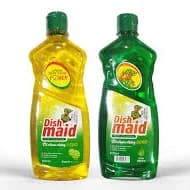
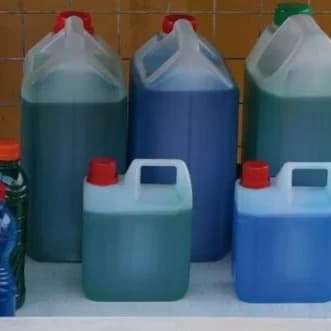
What really determines how profitable this business becomes is not just production, but how you position and sell it. Packaging matters more than many people think. A neatly packaged bottle with a simple label already gives your product a professional feel, even if you’re producing from home. You can sell in different sizes, small bottles for quick buyers and larger gallons for families or businesses. This flexibility allows you to reach both low-income and middle-income customers at the same time.
Marketing can start from the simplest places. Your WhatsApp status alone can bring your first customers if you present your product well. Short videos of the soap foaming, cleaning stained plates, or testimonials from early buyers can quickly build trust. You can also approach local food vendors, restaurants, and laundry services around your area; they use liquid soap in large quantities and can become your regular customers.
Profit comes from the margin between your production cost and selling price. For example, a batch that costs you around ₦10,000 to produce can be divided into smaller units and sold for ₦18,000 or more, depending on your pricing and packaging. That difference is where your gain comes from, and as you scale, buying materials in bulk reduces your cost and increases your profit.
However, like any business, consistency is key. If your quality drops or your supply becomes unreliable, customers will quickly move to someone else. But if you maintain quality, keep improving your packaging, and stay visible to your audience, liquid soap production can grow from a small side hustle into a stable income source.
It’s one of those businesses that rewards effort gradually. You may start by selling to just five people, but with time, referrals, and visibility can turn those five into fifty, and eventually into something much bigger.