
If you pay serious attention, you would notice something.
Across supermarkets. Construction. Manufacturing. Hospitality. Real estate. Restaurants.
Lebanese owned businesses show up consistently.
Quietly. Strategically. Long term.
The question is why?
To understand it, we have to go back.
Lebanese migration into West Africa did not start yesterday. It dates back to the late 1800s and early 1900s. Many came during economic hardship and political instability in Lebanon. West Africa offered trade opportunities.
They did not arrive as corporate giants.
They started as traders.
Small import businesses. Retail shops. Distribution networks. They understood one thing early.
Control supply.
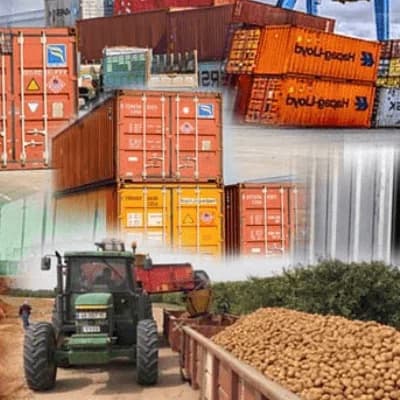
Instead of only selling finished goods, many Lebanese families built relationships with manufacturers abroad. They controlled import chains. They became distributors before becoming brand owners.
That foundation matters.
Distribution builds power.
Once you control supply, you influence pricing, availability, and partnerships.
Over time, those small trading operations evolved.
Importers became wholesalers.
Wholesalers became manufacturers.
Manufacturers became conglomerates.
Many Lebanese businesses in Nigeria share certain patterns.
Family structure.
Businesses are often run across generations. Knowledge passes internally. Capital circulates within trusted circles. Decisions stay centralized. Long term thinking dominates short term excitement.
Community support.
Lebanese networks in Nigeria are tight. They trade with each other. Finance each other. Refer within circles. Risk spreads across relationships.
Reinvestment mindset.
Profits rarely disappear into lifestyle first. They reinvest into assets. Factories. Warehouses. Equipment. Property.
Low visibility, high stability.
Many of them do not chase media attention. They build quietly. Brand visibility grows from scale, not hype.
Operational discipline.
Inventory management. Cost control. Supplier relationships. These are not glamorous topics. But they determine survival.
Another factor.
They often enter sectors Nigerians consider too slow or too stressful. Manufacturing. Heavy industry. Infrastructure supply. Sectors requiring patience and large capital cycles.
While others chase fast returns, they build slow systems.
This does not mean every Lebanese business succeeds. Many fail too. But the survival rate appears higher because of structure, not luck.
What can be learned?
Long term thinking beats fast wins.
Control of supply chains creates leverage.
Community capital reduces risk.
Reinvestment compounds growth.
Operational discipline protects margins.
There is also cultural adaptation.
Lebanese businesses in Nigeria learned how to operate within local realities. They navigate regulation. They understand informal networks. They build relationships across ethnic and political lines.
They did not wait for Nigeria to become perfect.
They built within imperfection.
That may be the biggest lesson.
Success in Nigeria often goes to those who design systems that survive instability.
Not those who wait for stability.
The story is not about nationality.
It is about structure.
And structure, once built correctly, travels across borders.