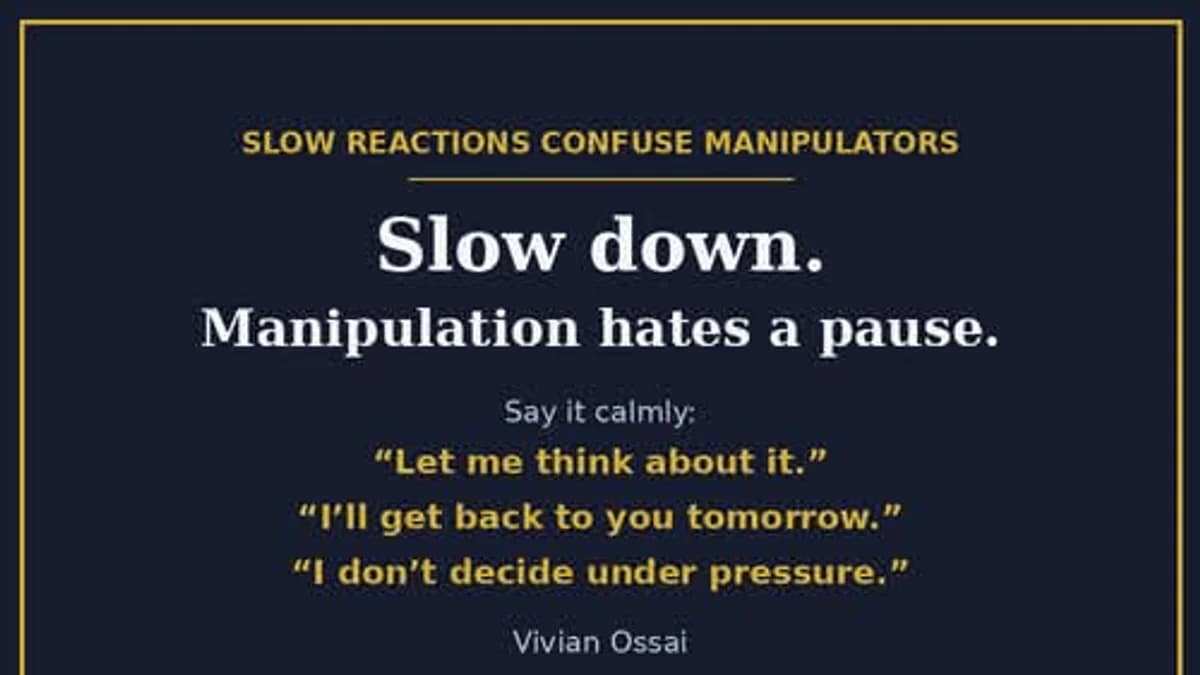
As humans, one of the most valuable skills we can develop is emotional intelligence. In a world where communication, relationships, and personal growth matter more than ever, emotional intelligence can shape how we live, work, and connect with others.
So, what exactly is emotional intelligence?
Emotional intelligence, often called EI or EQ (Emotional Quotient), is the ability to recognize, understand, manage, and express our emotions effectively while also being aware of and sensitive to the emotions of others.
It is what helps us stay calm in stressful situations, communicate without unnecessary conflict, empathize with people’s feelings, and make thoughtful decisions instead of reacting impulsively.
Emotional intelligence is often broken down into five major parts:
1. Self awareness – Understanding your emotions and how they affect your thoughts and behavior.
2. Self regulation – Managing your emotions in healthy ways rather than letting anger, frustration, or anxiety control you.
3. Motivation – Staying focused and driven, even when challenges arise.
4. Empathy – Understanding and sharing the feelings of others.
5. Social skills – Building healthy relationships, resolving conflicts, and communicating effectively.
How Emotional Intelligence Shapes Work Dynamics
In the workplace, emotional intelligence can make the difference between a toxic environment and a productive one.
A manager with emotional intelligence leads with empathy, listens to team members, and handles pressure without transferring stress to others. Employees with emotional intelligence communicate better, accept feedback constructively, and work well with colleagues.
For example, instead of reacting defensively during criticism, an emotionally intelligent employee listens, reflects, and improves. Instead of escalating office tension, they choose calm and professional communication.
This creates healthier teamwork, stronger leadership, and increased productivity.
Emotional Intelligence in Family and Love Relationships
At home and in romantic relationships, emotional intelligence is equally important.
Families thrive when members understand one another’s feelings and communicate with patience. Emotional intelligence helps parents guide children without unnecessary harshness and helps siblings or relatives resolve misunderstandings peacefully.
In love relationships, emotional intelligence encourages trust, honesty, and understanding.
Imagine a partner expressing concern rather than anger, or choosing to listen before making assumptions. Small acts like these reduce conflict and strengthen emotional bonds.
A relationship where both people practice empathy and emotional control is more likely to survive difficult seasons.
How to Incorporate Emotional Intelligence Into the New Week
As we step into a new week, emotional intelligence can become a practical tool for daily living.
Here are a few ways to practice it:
• Pause before reacting.
When upset, take a moment to breathe and think before responding.
• Listen more intentionally.
Try to understand people, not just reply to them.
• Be mindful of your words.
Words can heal or hurt. Choose wisely.
• Practice empathy.
Ask yourself: “What might this person be feeling?”
• Manage stress healthily.
Rest, pray, exercise, or journal instead of taking frustrations out on others.
• Reflect daily.
At the end of each day, ask: Did I respond wisely today? Could I have handled anything better?
This week, choose emotional intelligence.
The more emotionally intelligent we become, the healthier our relationships, workplaces, and communities will be.
And perhaps, that is one of the greatest gifts we can give ourselves and the people around us this new week.