━━━━━━━━━━━━━━━━━━━━━━
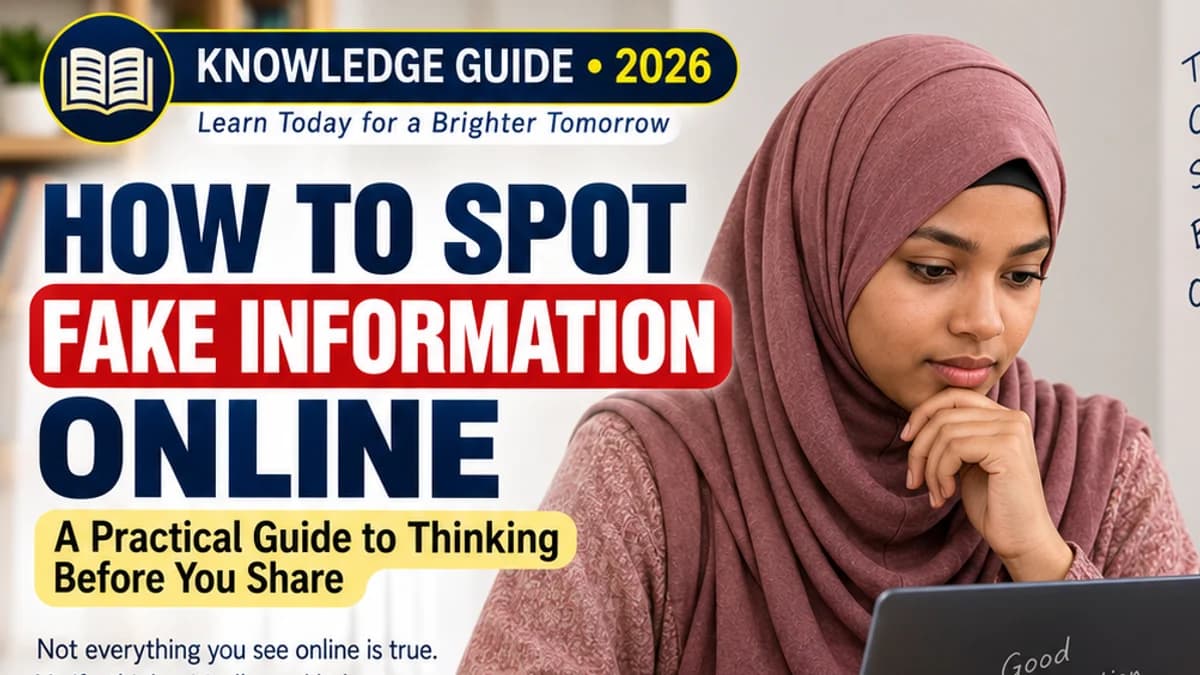
How to Spot Fake Information Online: A Practical Guide 2026
📝
Learn how to identify fake information online, verify claims, recognise misleading headlines, check sources, avoid scams, and think critically before sharing information.
How to Spot Fake Information Online
🔑
• how to spot fake information online
• how to identify fake news
• how to verify information online
• how to check if online information is true
• how to recognise misleading information
• internet fact checking tips
• how to avoid sharing false information
• critical thinking skills for the internet
• digital literacy guide 2026
━━━━━━━━━━━━━━━━━━━━━━
🌐 Introduction
The internet gives us unprecedented access to information.
With the click of a button, we can read news articles, watch videos, receive messages, view social media posts, and read information from people all over the world.
However, not all information is accurate.
Some information is created specifically to deceive you.
Other information may be outdated, exaggerated, misunderstood, or presented without sufficient evidence.
That is why one important skill is vital
how to think before believing and sharing information.
━━━━━━━━━━━━━━━━━━━━━━
❓ Why is false information so common?
False information can be shared by people who are simply looking to share a link or post without taking the time to fact-check. A shocking headline can be enough to trick someone into sharing false information. People may also be more likely to believe information that agrees with their personal opinions or worldview. This is especially true for information that evokes strong emotions, such as anger or fear.
Sometimes people do not intend to share false information, but they do so anyway.
That is why we need to learn how to check information before sharing it with others.
━━━━━━━━━━━━━━━━━━━━━━
🔍 8 ways to check information online
1️⃣ Check the source
Ask yourself: Who published this information? Is the website or account known to you? Does the author identify themselves? A professional-looking website does not necessarily mean that the information is reliable.
2️⃣ Read beyond the headline
Headlines are designed to grab attention. Sometimes, headlines can be misleading. Always read beyond the headline before deciding if the information is true or false.
📌 Never judge a story based on its headline.
3️⃣ Check the date
Information can become outdated quickly. An article that was true several years ago may no longer be accurate. Always check the date to ensure that the information is up to date. This is especially important for
💻 technology,
💰 financial information,
⚖️ laws,
🏢 company policies,
and
📰 current events.
4️⃣ Look for evidence
Supporting evidence should be provided for any claim. Be wary of statements such as
"Experts say..." or "Scientists have confirmed..." without any specific source being identified. Always ask: Where did this information come from? Can I find the original source?
5️⃣ Compare multiple sources
Do not rely on only one source when it comes to important information. Always look for other sources that report the same information. If multiple trustworthy sources report the same claim, it is more likely to be true.
However, always remember that finding the same claim on multiple websites does not necessarily make it true.
6️⃣ Watch out for emotional manipulation
Be wary of information that aims to manipulate your emotions, such as making you angry or fearful. Such information should always be taken with a grain of salt. Whenever you feel manipulated, ask yourself: Am I angry or afraid? Have I checked this information? The next time you feel manipulated, pause and ask yourself these questions before sharing the information.
7️⃣ Check images and videos carefully
Images and videos can be misleading. Always ask yourself: Is this image or video authentic? Can I find this image or video elsewhere? Can I find the original source?
8️⃣ Be careful with AI-generated content
AI-generated content can sometimes appear very realistic. However, just because a statement looks real does not mean it is real. The same applies to images, videos, text, and audio generated by AI. When it comes to important information, always look for evidence to back up the claim.
━━━━━━━━━━━━━━━━━━━━━━
🚨 Warning signs of misleading information
Be wary of information that
❌ promises guaranteed money
❌ asks you to take immediate action
❌ tells you to share the information with everyone
❌ uses excessive emotional manipulation
❌ does not provide any source
❌ makes outlandish claims
❌ uses fake quotation marks
❌ claims that all experts are lying
These are all warning signs, but they are not necessarily deal-breakers.
━━━━━━━━━━━━━━━━━━━━━━
🛑 Think before you share
Before you share any information, use the following simple checklist:
⏸️ STOP → 🔍 CHECK → 🧠 THINK → 📤 SHARE
⏸️ STOP: Do not share immediately
🔍 CHECK: Always look for the original source
🧠 THINK: Ask yourself if the evidence supports the claim
📤 SHARE: Only share if you are confident that the information is accurate
━━━━━━━━━━━━━━━━━━━━━━
⚠️ Common mistakes
Some common mistakes when it comes to false information include:
• Believing information simply because a friend shared it
• Believing information because it looks professional
• Reading only the headline
• Not checking the date
• Assuming that information that goes "viral" is true
• Sharing information without checking it first
• Believing information simply because it agrees with your personal opinion
━━━━━━━━━━━━━━━━━━━━━━
🛠️ A simple fact-checking routine
Here is a simple fact-checking routine that you can use whenever you encounter important information:
1. Identify the claim
2. Find the original source
3. Check the date
4. Look for supporting evidence
5. Compare other sources
6. Look for missing context
7. Decide if the evidence supports the claim
This fact-checking routine may take a bit of time, but it can save you from sharing false information.
━━━━━━━━━━━━━━━━━━━━━━
❓ Frequently asked questions
Q: Is everything on social media false?
A: No, social media contains both false and trustworthy information. The important thing is to learn how to distinguish between the two.
Q: Does a verified account always provide accurate information?
A: No, a verified account does not guarantee that all information is accurate. Always look for evidence to support any claim.
Q: Can professional-looking websites contain false information?
A: Yes, professional-looking websites can contain false information.
Q: Why should I care about checking information?
A: False information can affect your finances, relationships, and even your safety.
━━━━━━━━━━━━━━━━━━━━━━
⭐ Summary
✅ Check the source
✅ Read beyond the headline
✅ Check the date
✅ Look for evidence
✅ Compare independent sources
✅ Watch out for emotional manipulation
✅ Question images and videos
✅ Be careful with AI-generated content
✅ Think before sharing
━━━━━━━━━━━━━━━━━━━━━━
🤝 An ethical perspective
When it comes to sharing information, we have a responsibility to ensure that the information is accurate.
After all,
a false claim can affect a person's finances, relationships, and even their safety. We should therefore always think before sharing information.
Visit us @ https://bilkisu-hub.blogspot.com