The world children are being prepared for no longer exists.
Global classrooms are changing quietly. Screens sit beside chalkboards. Collaboration replaces copying. Curiosity earns more value than recall.
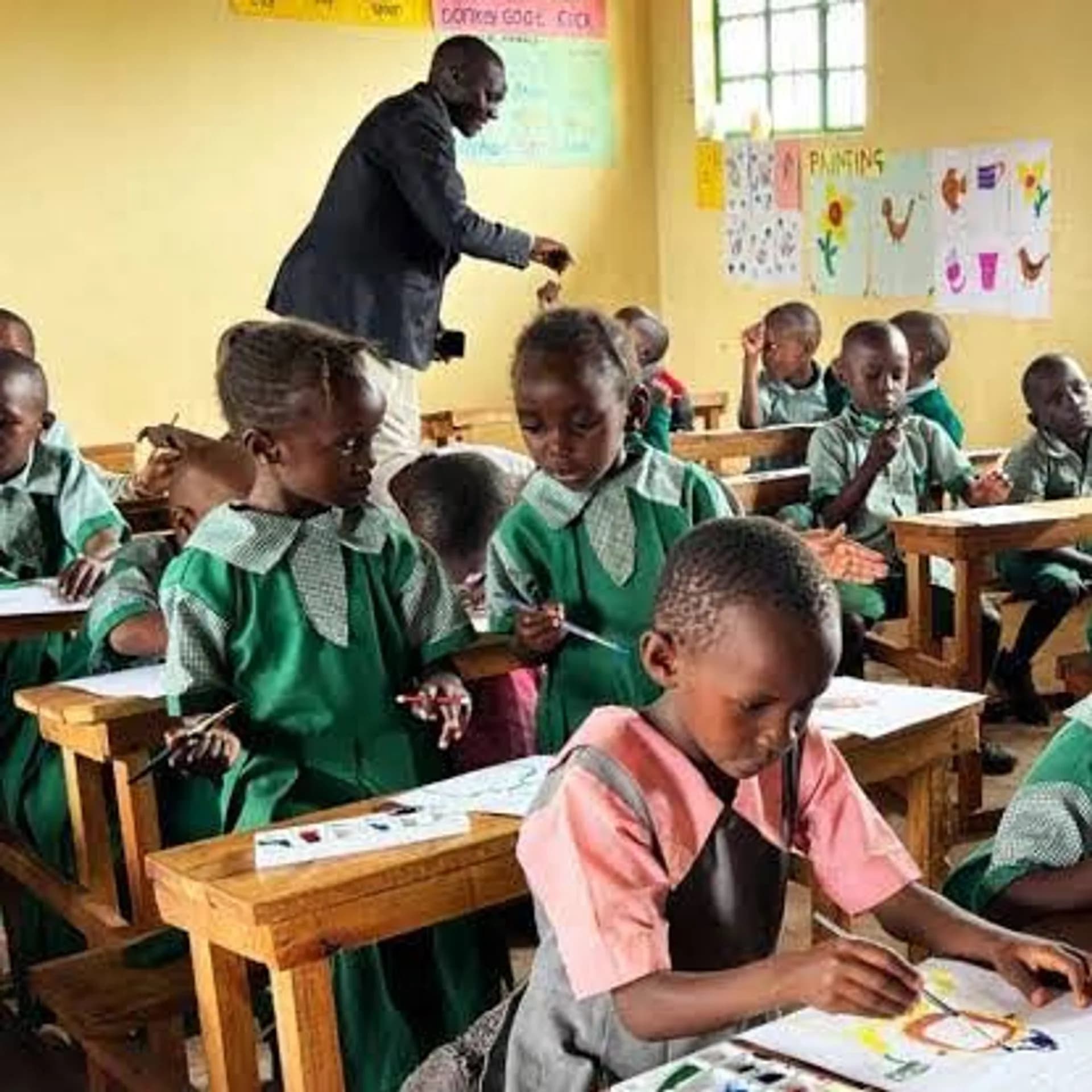
While this shift accelerates elsewhere, many Nigerian classrooms still prepare pupils for jobs already fading.
Children memorize facts faster than they understand systems. They learn to answer questions, not to frame them. They pass exams designed for a past economy.
Meanwhile, the global job market is reshaping itself in plain sight.
Jobs now reward problem solving, not obedience.
They reward adaptability, not repetition.
They reward thinking across disciplines, not isolated subjects.
Roles in data, automation, renewable energy, remote operations, digital health, logistics systems, and creative technology all share one requirement.
Early thinking skills.
Countries investing early introduced new foundations at elementary level. Logical reasoning. Digital literacy. Financial awareness. Environmental thinking. Collaboration.
Not as advanced subjects. As habits.
Children learn how systems work. How decisions create outcomes. How technology assists thinking. How mistakes lead to improvement.
Nigeria still waits too long.
By the time students encounter technology or real-world problem solving, habits are already fixed. Fear of failure. Dependency on instruction. Weak confidence in experimentation.
The future job market will not ask where a child went to school.
It will ask what the child can figure out.
Can they learn quickly.
Can they adapt to tools not yet invented.
Can they collaborate across cultures and time zones.
Can they solve unfamiliar problems calmly.
Those traits are not built at university.
They are built early.
Elementary education sets the operating system. Secondary and tertiary education only install applications.
If the foundation stays outdated, no upgrade will run smoothly.
Changing the curriculum is not about importing foreign models. It is about aligning learning with reality.
Children already live in a connected world. They see technology daily. They ask complex questions naturally.
The classroom should meet them where the world already is.
If Nigeria wants future-ready workers, innovators, and leaders, the work starts in primary school.
Not later. Not gradually.
Now.
Because the future will not wait for outdated systems to catch up.