
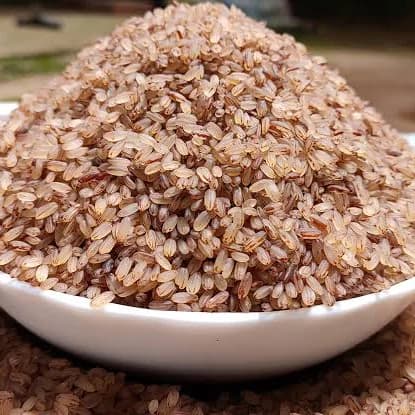
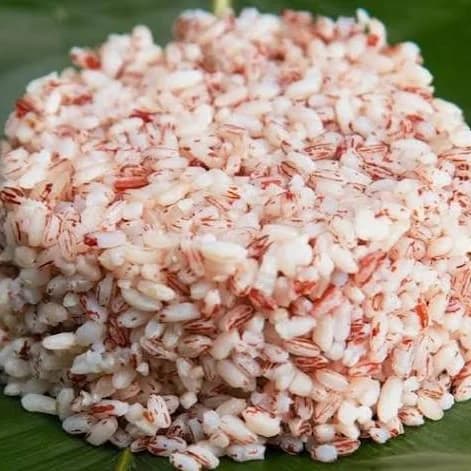
For many Nigerians, Ofada rice is something you eat when you’re craving ayamase.
But beyond its unique aroma and taste, Ofada rice is also one of the healthier rice options you can add to your diet.
Here are some of its health benefits:
1. It Supports Healthy Digestion
Because Ofada rice is less processed than polished white rice, it contains more fibre.
Fibre helps improve digestion, supports healthy bowel movements, and may reduce the risk of constipation.
2. It Helps Keep Blood Sugar More Stable
The extra fibre in Ofada rice slows digestion, which can help reduce sudden spikes in blood sugar compared to more refined rice varieties.
This makes it a better option for people trying to manage their blood sugar, although portion size still matters.
3. It Supports Heart Health
A diet that’s higher in whole grains and fibre has been linked to lower LDL (“bad”) cholesterol and healthier blood pressure levels.
While Ofada rice isn’t a medicine, eating it as part of a balanced diet may support long-term heart health.
4. It’s a Good Source of Iron
Iron is essential for producing healthy red blood cells and transporting oxygen throughout the body.
Getting enough iron can help reduce the risk of iron deficiency and support healthy energy levels.
5. It’s Naturally Gluten-Free
People living with coeliac disease or gluten intolerance can enjoy Ofada rice because it doesn’t naturally contain gluten.
As with any food, it’s still important to ensure it hasn’t been contaminated with gluten during processing or preparation.
One thing to remember: what you eat with your Ofada rice matters just as much as the rice itself.
Pairing it with vegetables, beans, fish, or lean protein creates a more balanced meal than relying heavily on oily sauces or fried sides.
How do you like your Ofada rice? With ayamase, stew, or something completely different?