Imagine walking into a bank and being greeted by a smart machine that knows your financial history, answers your questions instantly, approves loans in seconds, and never takes a lunch break. Sounds futuristic? In Nigeria, that future is closer than we think.
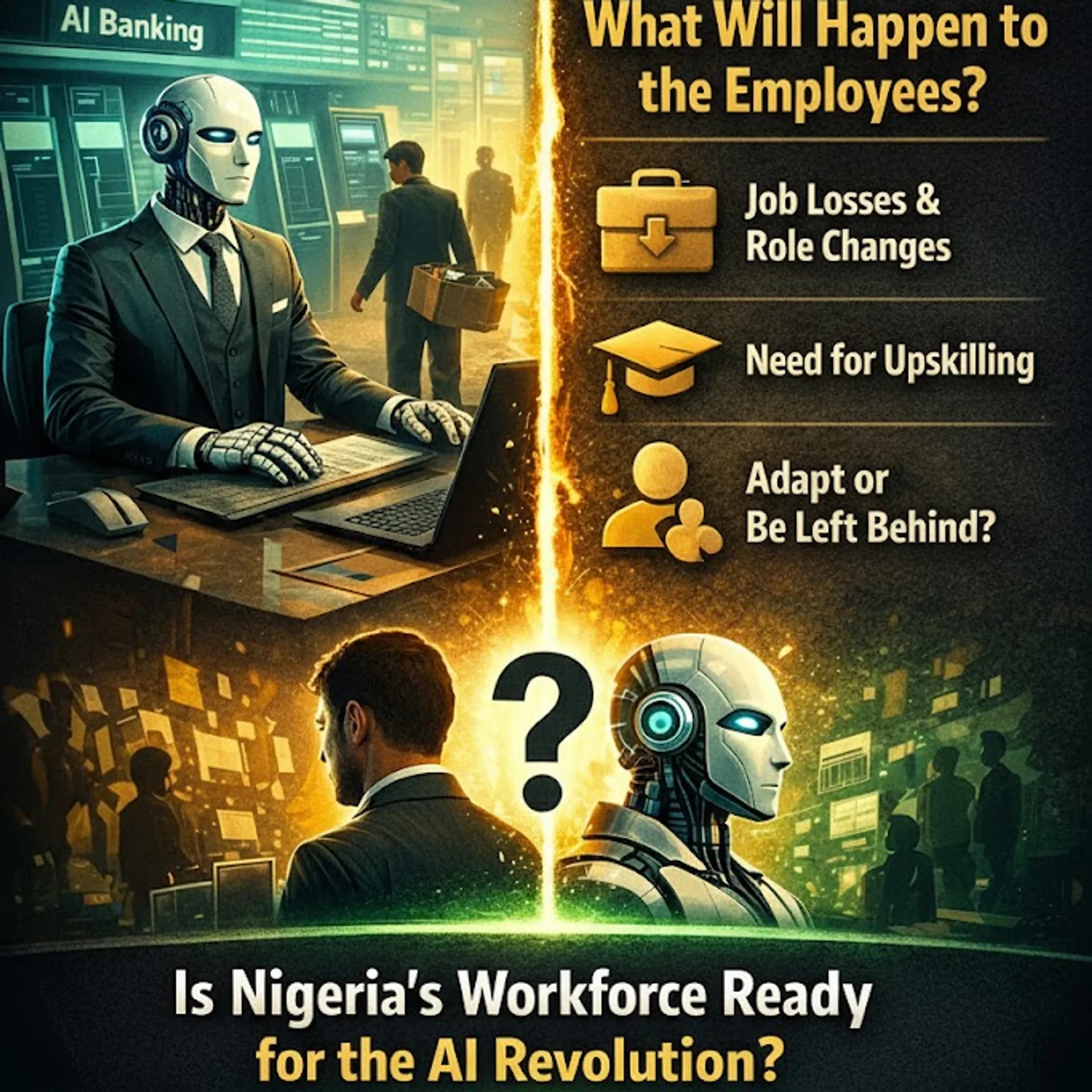
If AI is fully adopted in our banking sector, efficiency will skyrocket. Transactions, customer service, fraud detection, and even investment advice could be automated seamlessly. But there’s a flip side: many traditional roles—tellers, clerks, and even some mid-level managers—may see their jobs change drastically or disappear.
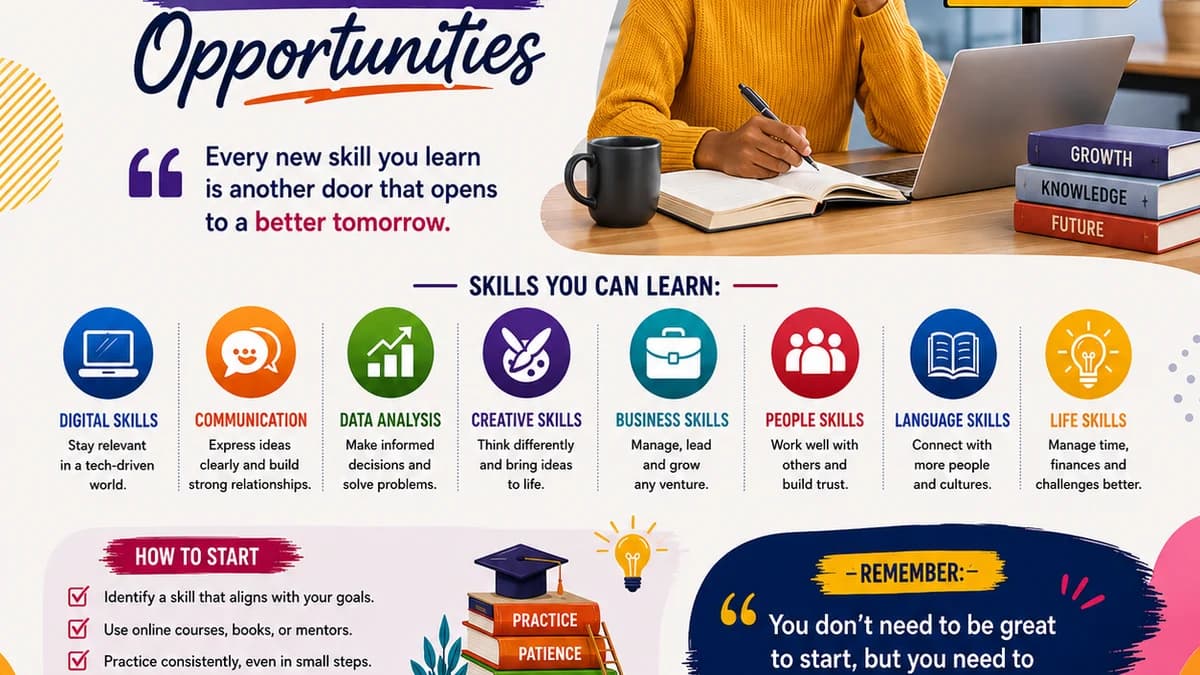
Employees will need to adapt, upskill, and pivot toward roles AI cannot easily replicate—like strategic decision-making, relationship management, cybersecurity, and creative problem-solving. In short, AI won’t just reshape banking services; it will reshape careers, demanding flexibility and lifelong learning from every worker.
The question isn’t whether AI will come, but whether employees and banks are ready to evolve with it.
💡 Food for thought: Will Nigeria’s workforce rise to the AI challenge, or will we let machines take the lead?