
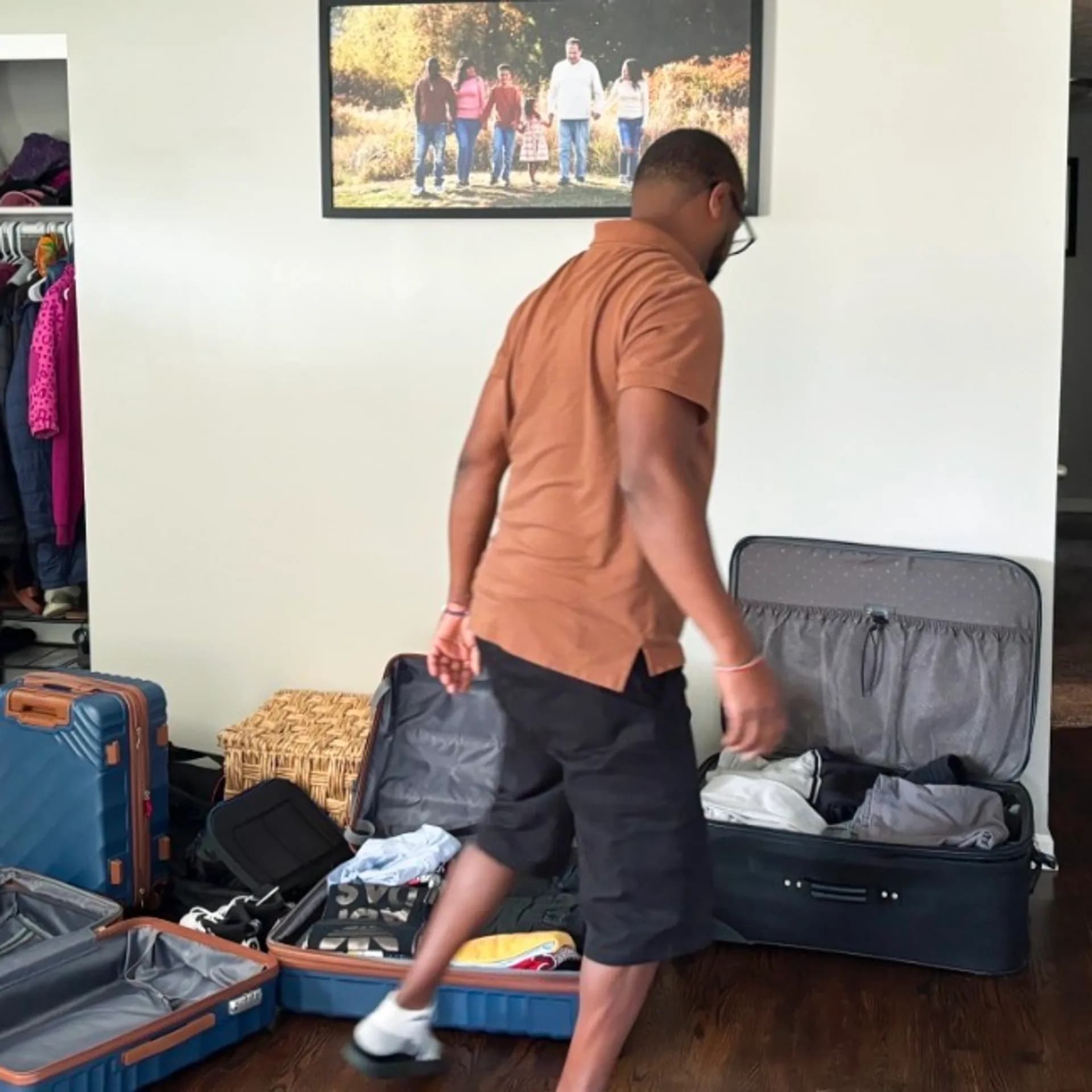
He left Nigeria in his early twenties.
By the time he came back, he was almost forty.
Abroad worked for him — not perfectly, but enough. He studied, worked, paid bills, built routines. Life was quiet and expensive, but predictable. When his visa expired and renewal became impossible, he told himself the return wouldn’t be hard.
“It’s home,” he said.
“How bad can home be?”
The shock came fast.
People expected success he didn’t have.
Family assumed he’d return “complete.”
Friends spoke to him like he had missed an entire generation of struggle — because he had.
He spoke differently now.
Thought differently.
Moved slower.
Nigeria had changed.
So had he.
The money he saved vanished quicker than he expected — settling, helping, adjusting. The systems he relied on abroad didn’t exist here. Power failed. Appointments meant nothing. Conversations felt loud again.
Worst part?
Nobody wanted to hear about the life he left behind.
“You’ve enjoyed,” they said.
“Now face reality.”
But the truth was simpler and harsher:
He didn’t belong abroad anymore.
And he didn’t fully belong at home either.
Return migration didn’t restore him —
it disoriented him.
Years later, he said something quietly honest:
“Leaving Nigeria changed me.
Coming back exposed it.”
This is the part of japa nobody celebrates.